Living Room TV Stand: What Works, What Doesn't, and How to Choose One
When you think of a living room TV stand, a piece of furniture designed to hold a television and often store media devices, remotes, and accessories. Also known as a media console, it’s not just a shelf—it’s the anchor of your living room layout. Too many people buy one based on looks alone, then end up with neck pain, tangled wires, or a TV that’s too high or too low. The right stand doesn’t just hold your TV—it shapes how you watch, relax, and even talk with people in the room.
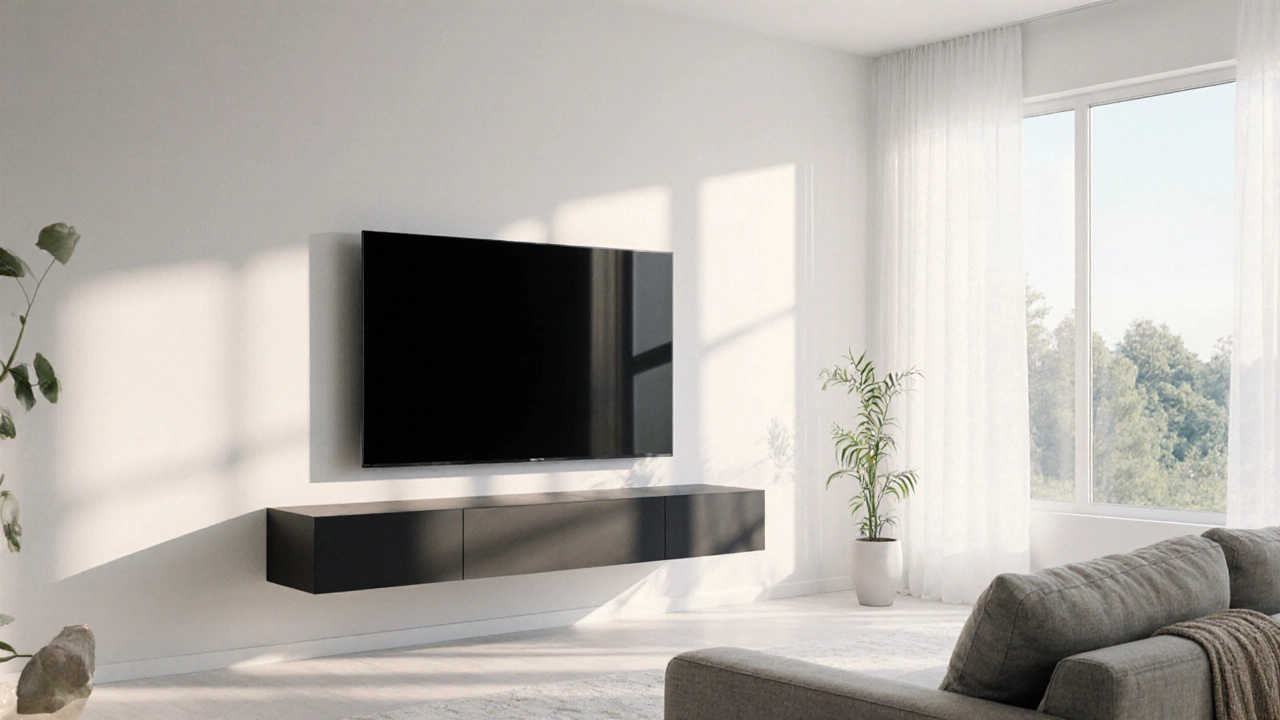
A good TV stand height, the ideal vertical position for your TV screen relative to your seated eye level is usually between 24 and 40 inches off the floor, depending on your couch height. If your TV is mounted too high, you’re looking up all night—bad for your neck. Too low, and you’re staring at the bottom edge. For a 70-inch TV, that sweet spot is around 30 inches. And don’t forget: the stand needs to be wide enough to support your TV’s base. A 65-inch TV needs at least a 55-inch-wide stand, or you risk tipping. It’s not about matching your coffee table—it’s about balance and safety.
Then there’s storage. A TV cabinet, a closed or partially enclosed TV stand with doors or drawers for hiding electronics and clutter keeps wires out of sight and remotes within reach. Open shelves look clean but turn into junk drawers. Look for ventilation—electronics overheat if trapped in a tight box. And if you have kids or pets, avoid glass tops and sharp corners. Simple, sturdy wood or metal is safer and lasts longer.
People often think matching your TV stand to your sofa or coffee table makes a room look "coordinated." But that’s not how real homes work. What matters more is proportion. A massive TV stand in a small room feels heavy. A tiny one under a big screen looks lost. It’s about scale, not color. If your living room is narrow, go for a low, long stand instead of a tall one. If you want to save space, wall mounts or floating shelves can work—but only if your wall can handle the weight. Some people skip stands entirely and use brackets or custom built-ins. It’s not about following trends—it’s about making your space work for you.
You’ll find posts here that break down exactly how high to place your TV, whether your stand should match your coffee table, and how to keep cables from turning your living room into a mess. There are tips for families with elderly members who need easy access, advice on materials that won’t warp over time, and even how to avoid buying something that looks great in the store but falls apart in six months. This isn’t about decorating magazines. It’s about what actually keeps your TV steady, your back comfortable, and your space calm.
-
Quentin Melbourn

- 27 November 2025
What Color Looks Best on TV? The Right TV Stand Color for Your Living Room
The right TV stand color makes your TV look seamless and high-end. Learn which colors work best with your walls, lighting, and TV size to avoid common mistakes and create a polished living room look.
Popular Posts






Categories
Tag Clouds