Back Pain Relief: How Furniture and Sleep Setup Can Help
When you’re dealing with back pain relief, the process of reducing discomfort and improving spinal function through lifestyle and environmental changes. Also known as spinal support strategies, it’s not just about medicine or exercise—it’s also about what you sit on, sleep on, and how your space is set up. Many people think back pain is something you just have to live with, but the truth is, your furniture plays a bigger role than you realize.
Ergonomic furniture, designs built to support natural body posture and reduce strain isn’t just for office workers. A poorly designed sofa, a sagging mattress, or a recliner that doesn’t lift properly can make your pain worse. For example, if you’re an older adult who slides down in a recliner, that slouching puts pressure on your lower spine. Simple fixes—like non-slip cushions or adjusting the recline angle—can make a real difference. And if you’re sleeping on a thick, soft mattress that sinks in the middle, your spine isn’t aligned. That’s where Japanese bedding, a minimalist sleep system using thin futons on the floor to promote neutral spine alignment comes in. It’s not just trendy—it’s been used for centuries because it works. No springs, no sink, just flat, even support that keeps your back in line all night.
Then there’s the recliner for back pain, a chair designed with lumbar support, adjustable angles, and sometimes lift mechanisms to help users stand safely. Not all recliners are created equal. Some are made for lounging, others for healing. A good one holds your lower back in place, lets you elevate your legs, and doesn’t force your neck into an awkward angle. You don’t need the most expensive model, but you do need one that matches your body—not just your style.
It’s not magic. It’s physics. Your spine needs support, not surrender. Whether you’re trying to ease morning stiffness, avoid pain after sitting all day, or find a better way to rest at night, your choices in furniture matter. The posts below cover real, practical fixes—how to stop sliding in a recliner, why low sleeping helps, what colors and materials reduce strain, and how to pick furniture that doesn’t just look good but actually helps you feel better. No fluff. No guesses. Just what works.
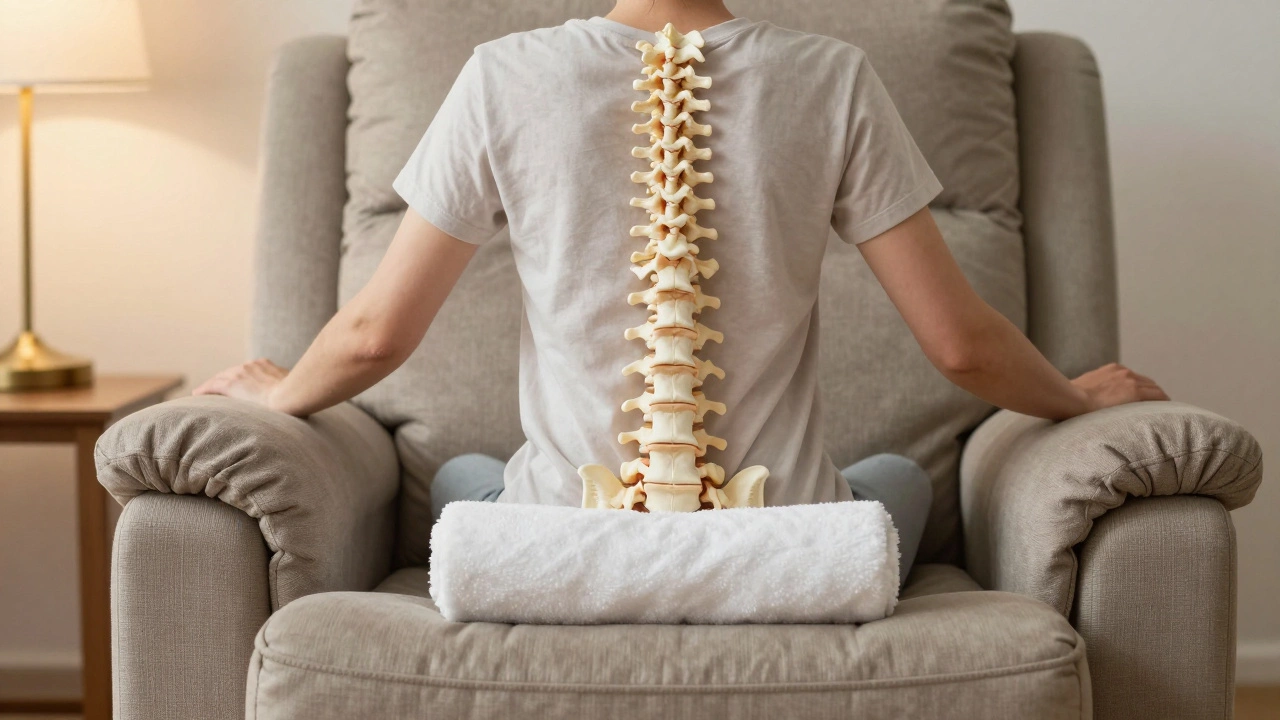
-
Quentin Melbourn

- 4 December 2025
What Is the Healthiest Way to Sit in a Recliner?
Learn the healthiest way to sit in a recliner to avoid back pain, improve posture, and protect your spine. Simple adjustments make all the difference.

-
Quentin Melbourn
- 11 November 2025
Are Recliners Bad for Degenerative Disc Disease? What Experts Say
Recliners aren't automatically bad for degenerative disc disease-when chosen and used correctly, they can reduce spinal pressure and ease pain. Learn what features to look for and how to avoid common mistakes.
Popular Posts

Categories
Tag Clouds