Office Chair Recommendation Tool
Why this fits you:
Watch out for:
You sit in that chair for eight hours a day. Maybe more. Yet, when you bought it, did you really think about the height of its backrest? Most people don't. They look at the price tag, check if it spins, and grab whatever looks comfortable on the showroom floor. But here is the truth: a mid-back chair and a high-back chair serve two completely different purposes. One might save your lower back, while the other could be doing nothing for your neck.
Choosing between them isn't just about aesthetics or budget. It’s about biomechanics. Your spine has natural curves, and furniture needs to respect them. If you pick the wrong one, you’re inviting pain. Let’s break down exactly what each type does, who they are for, and how to decide which one belongs at your desk.
What is the main difference between mid-back and high-back chairs?
The primary difference is spinal coverage. A mid-back chair supports only the lumbar region (lower back), while a high-back chair extends up to support the thoracic spine and often includes headrests for neck support.
The Anatomy of Support: What Each Chair Actually Does
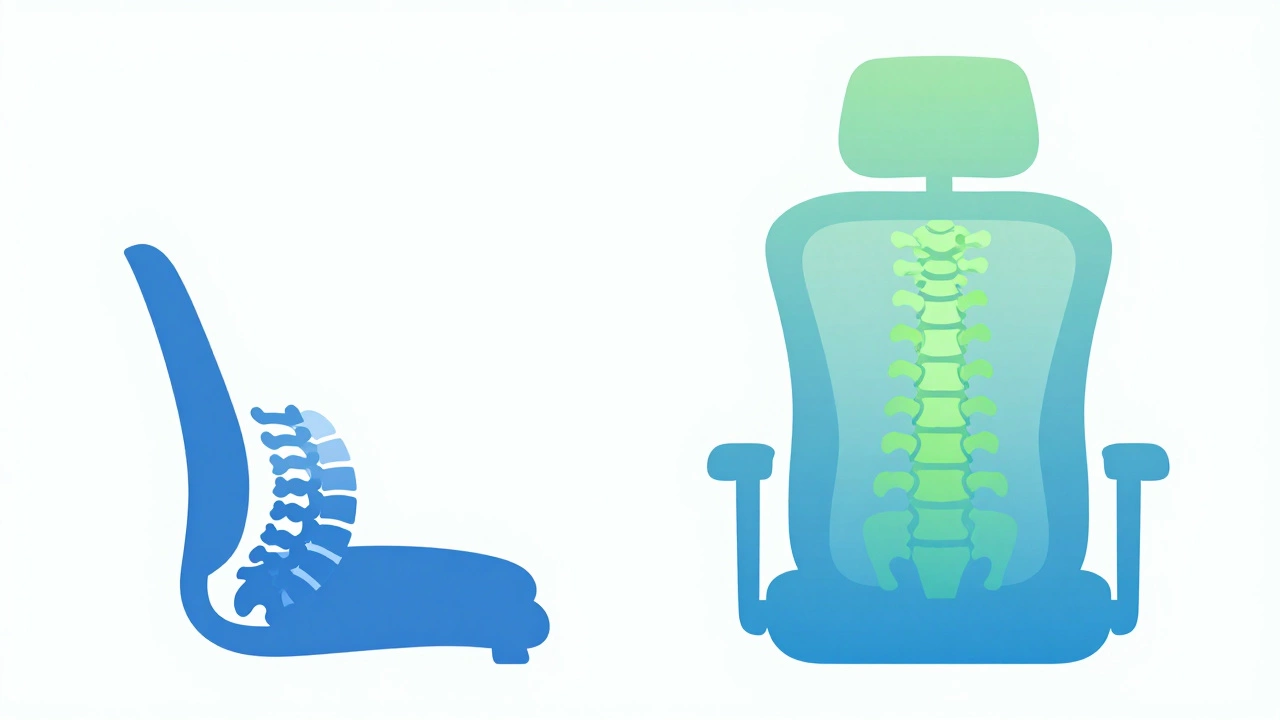
To understand why one might be better than the other, we have to look at what they touch. Your spine isn’t a straight stick; it’s an S-curve. The bottom part, the lumbar spine, handles most of your body weight when you sit. The middle section, the thoracic spine, connects to your ribs. And the top, the cervical spine, holds up your head.
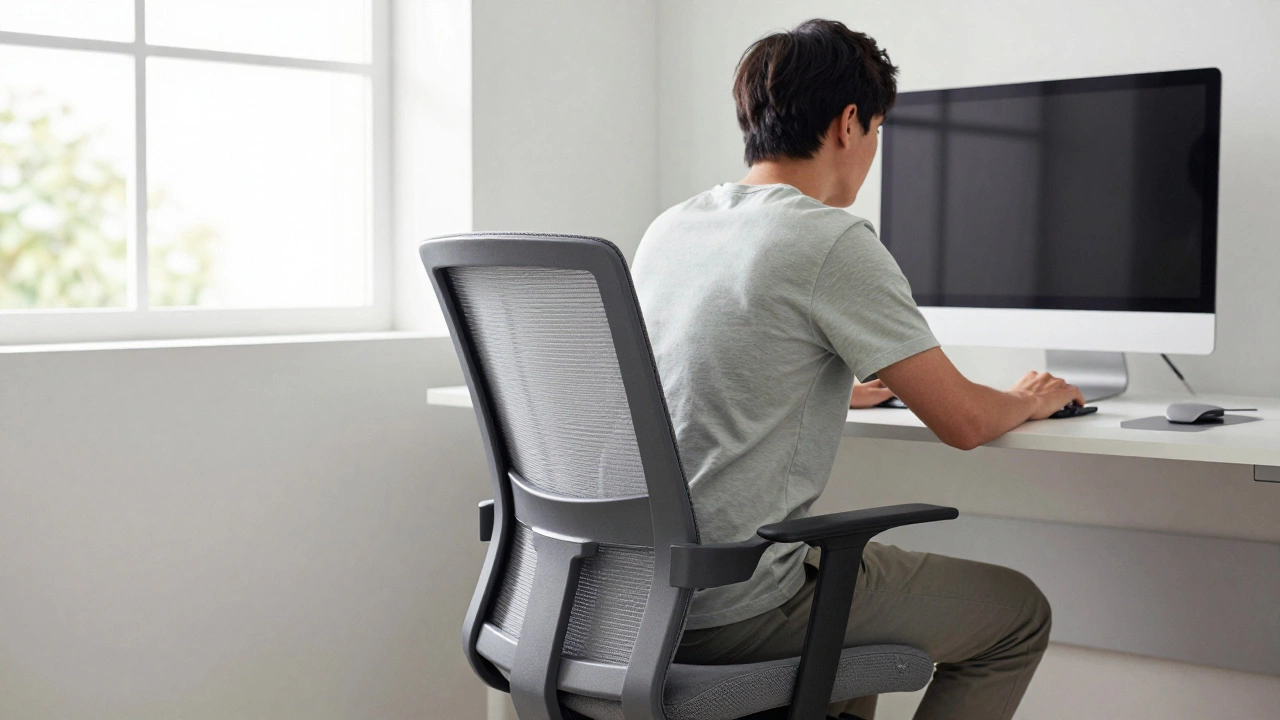
A mid-back chair is designed specifically for that heavy-lifting lumbar zone. It stops right around the shoulder blades. Its job is singular: keep your lower back from collapsing into a C-shape. By maintaining that inward curve, it reduces pressure on the discs between your vertebrae. For many people, this is all the support they actually need during active work.
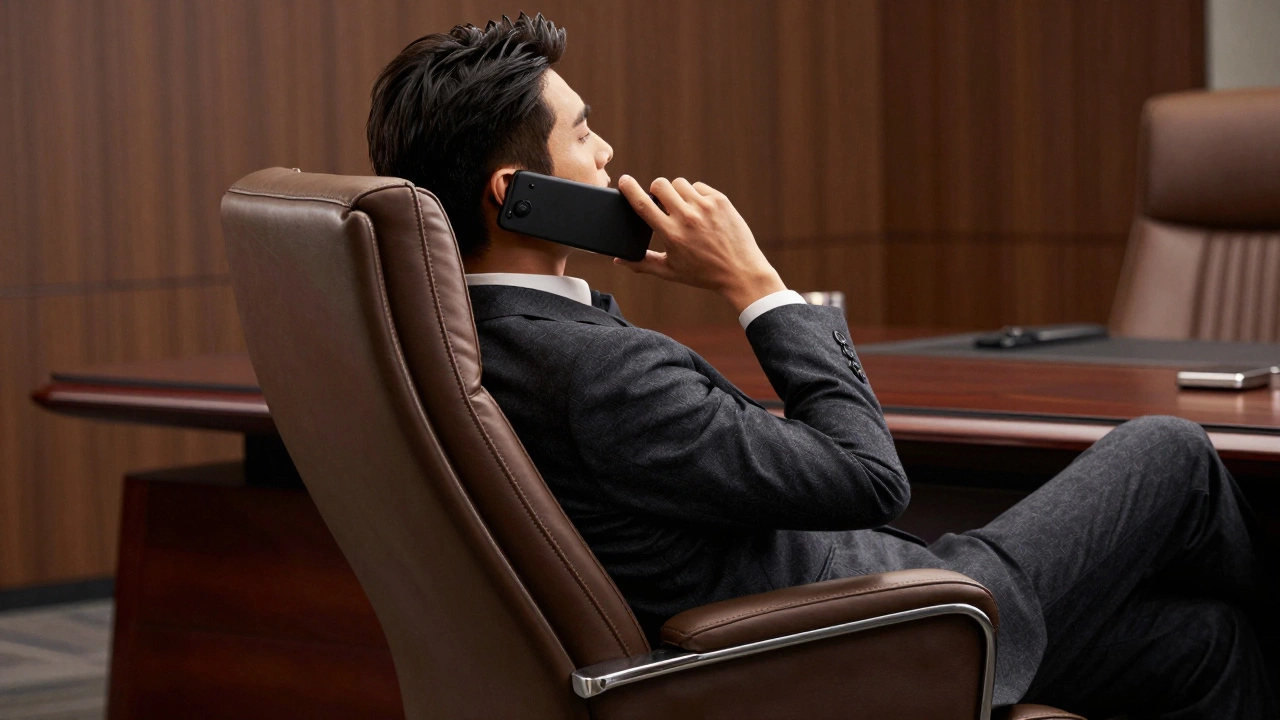
In contrast, a high-back chair covers the entire posterior chain. It supports the lumbar area, yes, but it also cradles the upper back and shoulders. Many high-back models come with adjustable headrests. This doesn't just help with posture; it allows you to lean back fully without your head floating in space. That’s crucial if you spend time reviewing documents, reading, or taking calls where you might recline slightly.
Who Needs a Mid-Back Chair?
Don’t let the simplicity fool you. Mid-back chairs are not "cheap" alternatives; they are specialized tools for specific workflows. If you are someone who leans forward, engages actively with screens, and rarely reclines, a mid-back chair is likely your best friend.
- Active Workers: Programmers, writers, and traders often hunch slightly over keyboards or multiple monitors. A tall backrest can feel like a barrier, pushing you away from your work. A mid-back chair gets out of the way.
- Smaller Frames: If you are under 5'7", a high-back chair might actually hurt you. The headrest could push your chin down, forcing your neck into an unnatural angle. The backrest might end too high, providing no actual support to your shoulders.
- Budget-Conscious Buyers: Because they use less material and have fewer moving parts, mid-back chairs often cost 20-30% less than their high-back counterparts. You get excellent lumbar mechanics without paying for features you won't use.
- Space-Constrained Offices: Mid-back chairs are generally narrower and lighter. They slide under desks more easily and take up less visual space in small home offices.
The key here is intentionality. You choose a mid-back chair because you want focused support where it matters most: the pivot point of your torso.
Who Needs a High-Back Chair?
High-back chairs are the luxury sedans of the office world. They offer comprehensive support, but they demand more adjustment. These are ideal for people who sit still for long periods, engage in passive tasks, or suffer from existing upper body tension.
- Tall Individuals: If you are over 6 feet tall, your shoulders extend well past the top of a standard mid-back chair. Without support there, your trapezius muscles (the ones connecting your neck to your shoulders) will tighten up as they try to hold your posture alone. A high-back chair distributes that load.
- Recliners and Relaxers: Do you lean back to think? Do you take phone calls while tilted back? A high-back chair with a synchronized tilt mechanism keeps your spine aligned even when you aren't upright. The headrest prevents whiplash-like strain when you shift positions.
- People with Neck or Shoulder Pain: If you already deal with tension headaches or stiff shoulders, the extra contact points of a high-back chair can provide relief by reducing the muscular effort needed to stay upright.
- Executive or Client-Facing Roles: There is a psychological component. High-back chairs signal authority and comfort. In a meeting room or executive office, they project a certain status that mid-back chairs simply don't match.
However, there is a catch. High-back chairs require precise setup. If the headrest is too high, it pushes your head forward. If the lumbar support is too firm, it digs into your kidneys. You have to tune it correctly.
The Ergonomics Debate: Lumbar vs. Total Spinal Alignment
Here is where things get tricky. Many people assume that "more support" equals "better health." That is a dangerous myth. In ergonomics, support must be dynamic, not static.
Your spine needs to move. When you sit in a rigid high-back chair that locks your upper back in place, you might reduce movement in the thoracic spine. Over time, this can lead to stiffness. Conversely, a mid-back chair allows your upper body to rotate and twist more freely, which can be healthier for mobility-but only if your core is strong enough to maintain stability.
The real issue isn't the height of the backrest; it's the quality of the lumbar support. Whether you buy a mid-back or high-back model, the lumbar adjustment is non-negotiable. Look for chairs that allow you to change both the height and the depth of the lumbar cushion. A fixed lumbar bump is useless if it hits the wrong spot on your spine.
Also, consider the mesh vs. padding factor. High-back chairs often use thick foam padding for comfort, which can trap heat. Mid-back chairs frequently use breathable mesh, which keeps you cooler during intense work sessions. Temperature regulation affects focus, so this is a hidden ergonomic benefit.
Comparison Table: Mid-Back vs. High-Back
| Feature | Mid-Back Chair | High-Back Chair |
|---|---|---|
| Spinal Coverage | Lumbar (Lower Back) only | Lumbar, Thoracic (Upper Back), and Cervical (Neck) |
| Ideal User Height | Under 5'9" (175 cm) | Over 5'9" (175 cm) |
| Primary Use Case | Active typing, gaming, focused work | Long meetings, reading, relaxing, executive presence |
| Headrest Included? | Rarely | Frequently (often adjustable) |
| Price Range | $150 - $400 | $300 - $1,200+ |
| Mobility | Higher freedom of upper body movement | More restricted, guided movement |
| Breathability | Often uses mesh panels | Often uses padded fabric/leather |
Common Mistakes to Avoid
Even with the right chair, you can ruin your posture. Here are three pitfalls I see constantly in my own office setup in Mississauga, where winters are long and we tend to hibernate at our desks.
- Ignoring Seat Depth: A high-back chair often comes with a deeper seat pan. If your thighs hang off the edge, you cut off circulation. If there’s too much space behind your knees, you lose lumbar contact. Adjust the seat slider until you have two fingers’ width between the edge of the seat and the back of your knees.
- Leaning on Armrests: High-back chairs often have robust armrests that tempt you to rest your elbows heavily. This shrugs your shoulders up toward your ears, defeating the purpose of the upper back support. Keep your arms light on the rests, or lower them so your shoulders stay relaxed.
- Static Sitting: No chair, mid-back or high-back, is good for you if you sit in the exact same position for four hours. The best chair is the next position. Set a timer to stand, stretch, or shift your weight every 30 minutes.
How to Test Before You Buy
You cannot judge a chair by looking at it online. You must sit in it. Here is a simple 60-second test:
First, sit all the way back. Press your lower back into the lumbar support. Does it feel like it’s filling the gap, or is it poking you? Next, raise your arms above your head. If you are testing a mid-back chair, your shoulders should remain supported by the top edge of the backrest, not slip off. If you are testing a high-back chair, ensure the headrest touches the base of your skull, not the back of your neck.
Finally, recline. Lean back as far as you comfortably can. In a mid-back chair, your upper back will round naturally. In a high-back chair, your spine should stay relatively straight. If either feels unstable or causes pain, it’s not the right fit, regardless of the brand.
Final Thoughts: It’s About Your Body, Not the Trend
There is no universal "best" chair. There is only the best chair for your specific anatomy and work style. If you are short, active, and on a budget, stop looking at high-back executive chairs. They are overkill and potentially harmful. Go for a quality mid-back mesh chair with adjustable lumbar support.
If you are tall, spend long hours in meetings, or suffer from neck tension, invest in a high-back chair. Just make sure you take the time to adjust the headrest and lumbar depth properly. Treat it like a piece of medical equipment, not just furniture.
Your spine will thank you. Start by assessing your current pain points. Are they in your lower back? Aim for mid-back precision. Are they in your neck and shoulders? Look for high-back coverage. Listen to your body, not the marketing copy.
Can a mid-back chair cause back pain?
A mid-back chair itself does not cause pain, but poor adjustment can. If the lumbar support is too low or too hard, it can strain the lower back. Additionally, if you have existing upper back issues, the lack of thoracic support might exacerbate tension in the shoulders.
Are high-back chairs better for sleeping?
While some high-back chairs recline nearly flat, they are not designed for sleep. Sleeping in a chair can compress the spine and restrict blood flow. Use a high-back chair for relaxation and napping, but avoid full sleep sessions.
What height person needs a high-back chair?
Generally, individuals taller than 5'9" (175 cm) benefit from high-back chairs. At this height, the shoulder blades extend beyond the reach of most mid-back designs, requiring additional support to prevent slouching.
Is a headrest necessary on an office chair?
Not strictly necessary for everyone. Headrests are most useful for people who recline frequently or suffer from neck strain. If you always sit upright, a headrest may be unused clutter. Ensure any headrest is adjustable to fit your head size and position.
Do mid-back chairs last as long as high-back chairs?
Lifespan depends on build quality, not back height. However, high-back chairs often have more complex mechanisms (like synchronized tilts and multi-point adjustments) that can fail over time. Mid-back chairs, being simpler, may have fewer mechanical failure points.