Furniture Storage Protection Planner
Select your furniture details and click the button to see your custom protection strategy.
Key Takeaways
- Avoid plastic wrap for long-term storage as it traps moisture.
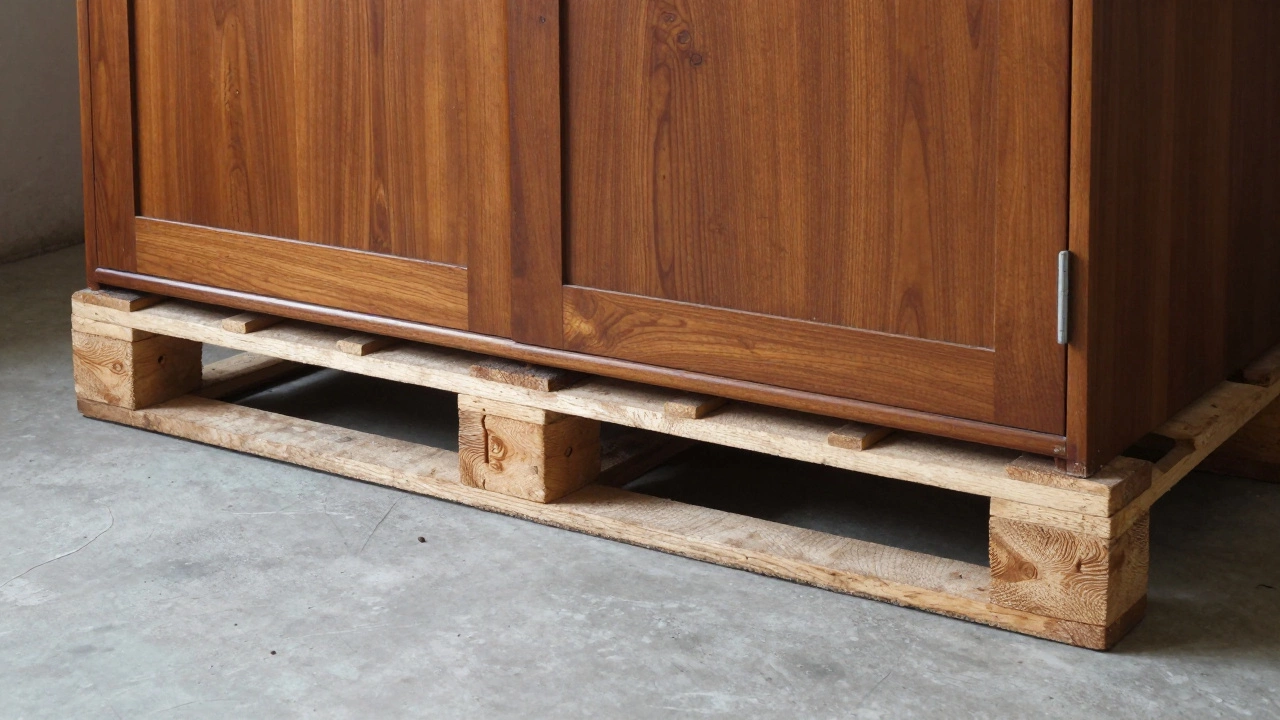
- Elevate everything off the concrete floor using pallets or runners.
- Use breathable fabric covers for upholstered pieces.
- Focus on moisture absorption with silica gels and charcoal bags.
- Avoid storing high-value antiques or exotic woods in these spaces.
The Danger of the Concrete Floor
The biggest mistake people make is sliding a heavy wardrobe directly onto the floor of a storage unit. Concrete is porous; it sucks up moisture from the ground and pushes it straight into your furniture. This process, called capillary action, is how a perfectly good mahogany table ends up with a rotted base.
To stop this, you need a physical break. Pallets is heavy-duty wooden platforms used to elevate goods off the floor to allow air circulation. If you can't find pallets, use 2x4 pressure-treated lumber or thick foam insulation boards. The goal is to create a gap of at least two to four inches. This lets air move under the piece, which prevents the "damp basement" smell from soaking into the wood fibers.
Dealing with Humidity and Mold
In a non-climate controlled space, the air fluctuates wildly. When hot air hits a cold surface, it condenses into water droplets. If that water lands on a leather chair, you've just created a playground for mildew. You can't control the temperature, but you can control the moisture immediately surrounding your items.
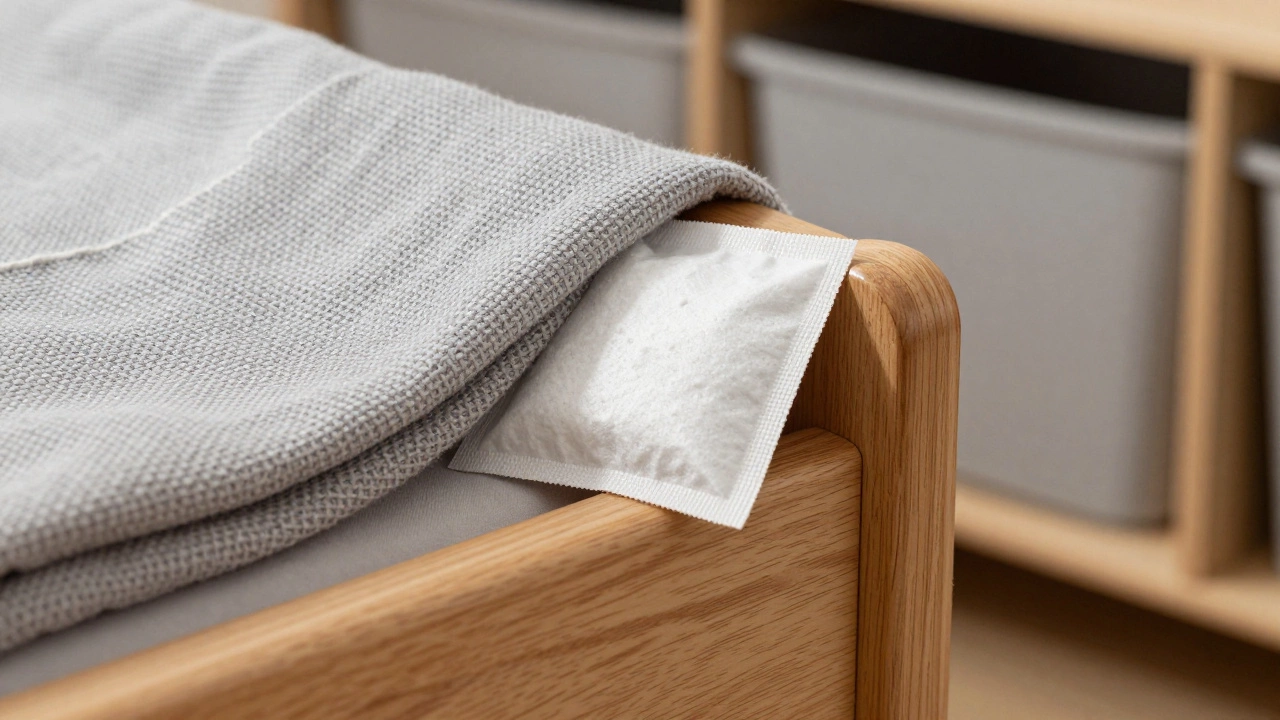
Instead of relying on a single giant dehumidifier (which you can't run without power), use localized moisture absorbers. Silica Gel is a porous form of silicon dioxide that acts as a desiccant by adsorbing water molecules. Place large silica packets or hanging moisture-absorber bags in the corners of your furniture wraps. For a more natural approach, activated charcoal bags help soak up odors and a small amount of moisture. Just remember to check them every few months; once a desiccant is saturated, it stops working.
Wrapping: The Breathability Balance
It's tempting to wrap everything in stretch wrap or heavy-duty plastic to "keep the dust out." Don't do it. Plastic is a vapor barrier. If any moisture is trapped inside that plastic wrap when you seal it, it will condense into water droplets against the wood. This is how you get "white bloom" or mold growth on a finished surface.
Use a tiered approach to wrapping. For upholstered items, use breathable cotton sheets or specialized furniture covers. For wooden pieces, a light layer of acid-free packing paper followed by a woven moving blanket is best. Moving blankets protect against scratches and provide a small thermal buffer without sealing the item in a plastic tomb. If you absolutely must use plastic for dust protection, leave a few vents open or use a loose-fitting plastic sheet that isn't taped shut.
| Material | Pros | Cons | Best For |
|---|---|---|---|
| Plastic Stretch Wrap | Waterproof, dust-proof | Traps moisture, causes mold | Short-term transit only |
| Moving Blankets | Cushioning, breathable | Can absorb ambient odors | Hardwood tables, chairs |
| Cotton Sheets | High breathability | Zero protection from impacts | Sofas, mattresses |
| Acid-Free Paper | Prevents chemical stains | Fragile, easily torn | Painted or varnished wood |
Protecting Different Materials
Not all furniture reacts to a non-climate space the same way. You need a specific strategy based on what the item is made of.
Solid Wood: Wood is organic; it expands and contracts. In a dry winter, it shrinks, leading to cracks in the joints. To mitigate this, apply a fresh coat of Furniture Wax is a protective coating made of beeswax or paraffin that seals wood pores against moisture before storing. This creates a microscopic shield that slows down the moisture exchange.
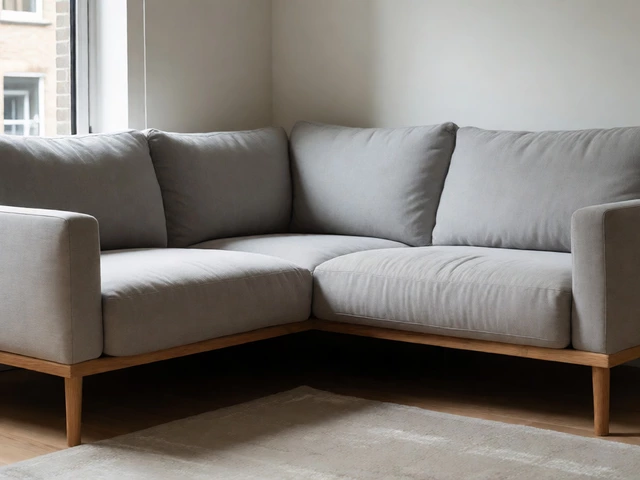
Upholstery and Fabrics: Fabric is a sponge for humidity. If you're storing a sofa, vacuum it thoroughly first. Any crumbs or skin cells left behind are food for pests and mold. Use a breathable fabric cover and avoid placing it against the exterior wall of the unit, as these walls are usually the coldest and dampest parts of the space.
Leather and Vinyl: Leather can dry out and crack in the winter or peel in the summer heat. Apply a high-quality leather conditioner to keep the material supple. Avoid using heavy oils that might attract dust or become sticky in the heat.
The Logistics of Layout
How you arrange your unit determines how well your furniture survives. If you pack everything tight against the walls, you're creating dead-air zones where moisture collects. Leave at least six inches of space between your furniture and the walls of the storage unit.
Create an aisle in the middle. This allows you to walk in and inspect your items without moving everything. More importantly, it encourages airflow. If you've stored your items on pallets, the air can circulate under and around them, which is your best defense against mildew. Put your heaviest, most durable items (like metal shelving or plastic bins) against the walls to act as a secondary buffer for your more sensitive wooden pieces.

Common Pitfalls to Avoid
One major error is ignoring the "temperature shock." If you open your unit in the middle of a humid July day, you're letting a wave of moist air hit cold furniture. This can cause immediate condensation. If possible, visit your unit during a period of low humidity to check on your items.
Another mistake is using cardboard boxes for long-term storage on the floor. Cardboard is basically a sponge. Once the bottom of a box gets damp from the concrete, it will transfer that moisture directly to whatever is inside the box. Always use plastic bins for small items or place cardboard boxes on top of a pallet.
Can I store a mattress in a non-climate controlled unit?
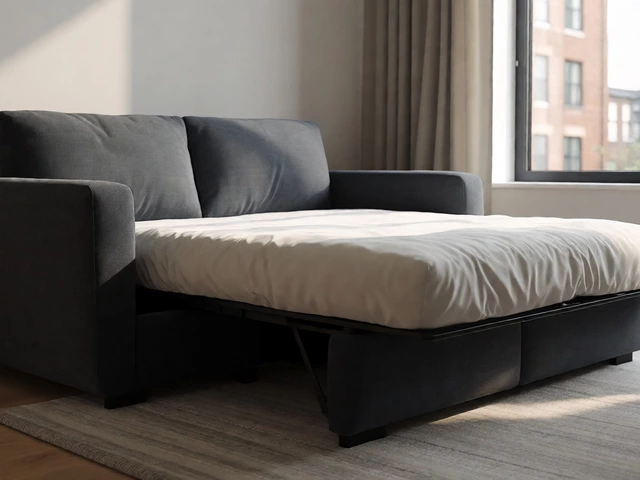
Yes, but it's risky. Mattresses are huge sponges for moisture and odors. You must use a breathable mattress protector-not a plastic one-and keep it off the floor using a pallet. If you live in a very humid area, a mattress is one of the most likely items to develop mold in a non-climate space.
How often should I check on my furniture?
Ideally, every 30 to 60 days. You want to check for signs of mold, ensure your silica gel packets haven't saturated, and make sure no leaks have developed in the unit's roof. Catching a moisture problem early can be the difference between a quick cleaning and throwing the furniture away.
Is plastic wrap ever okay?
Plastic wrap is great for moving furniture from a house to a truck, but it's terrible for long-term storage. If you must use it for dust, wrap it loosely and don't seal the edges. If you seal it tight, you're essentially creating a greenhouse effect that traps moisture against the wood.
What is the best way to prevent pests?
Clean everything thoroughly before it goes in. Dust, food crumbs, and pet hair attract insects. Use cedar planks or peppermint oil sachets around the perimeter of your furniture; these are natural deterrents that don't leave harmful chemical residues on your wood.
Will my furniture warp in the cold?
Cold itself doesn't usually warp wood, but the extreme drop in humidity that comes with winter does. This causes wood to shrink. Using furniture wax and avoiding placing items directly against cold exterior walls helps stabilize the material.
Next Steps for Different Scenarios
If you are storing high-end antiques, stop now. These items are too sensitive for non-climate control. Move them to a climate-controlled unit or a spare room in your house. The risk of permanent structural damage to a 100-year-old piece is too high.
For modern, flat-pack furniture (like IKEA), focus on the joints. These are often made of particle board, which swells and disintegrates when it hits moisture. Double up on the pallets and use moisture-absorber bags specifically tucked into the corners of the shelves.
If you are storing heavy-duty outdoor furniture, you're in luck. These pieces are designed for the elements. However, you should still wipe them down to remove salt or grime and cover them with a breathable tarp to prevent bird droppings or dust buildup from etching into the finish.