The Actual Benefits of Adding a Bookcase
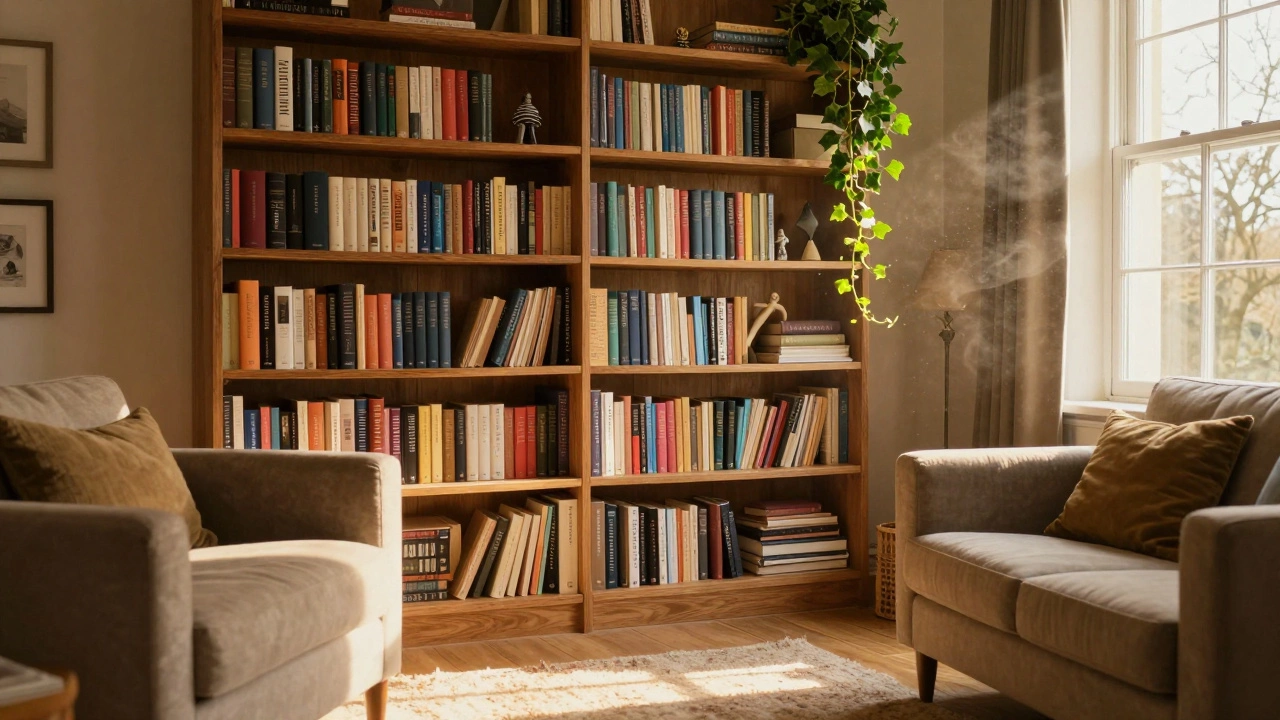
Let's be honest: we all have things that don't have a "home." That random stack of magazines, the travel souvenirs from your 2018 trip to Japan, and the three novels you're currently reading. A bookcase solves this immediately. Instead of hiding these items in a plastic bin in the closet, you turn them into a curated gallery. It's the difference between a room that looks like a hotel and a room that looks like a home.
Beyond the clutter, there's a psychological element. A wall of books acts as a natural sound dampener. If you live in a place with hardwood floors and high ceilings, you know that every conversation echoes. Books are dense and porous, meaning they absorb sound waves rather than bouncing them back. If you've ever noticed that a library is unnaturally quiet, it's because the books are doing the heavy lifting for the acoustics.
Deciding Between Built-ins and Freestanding Units
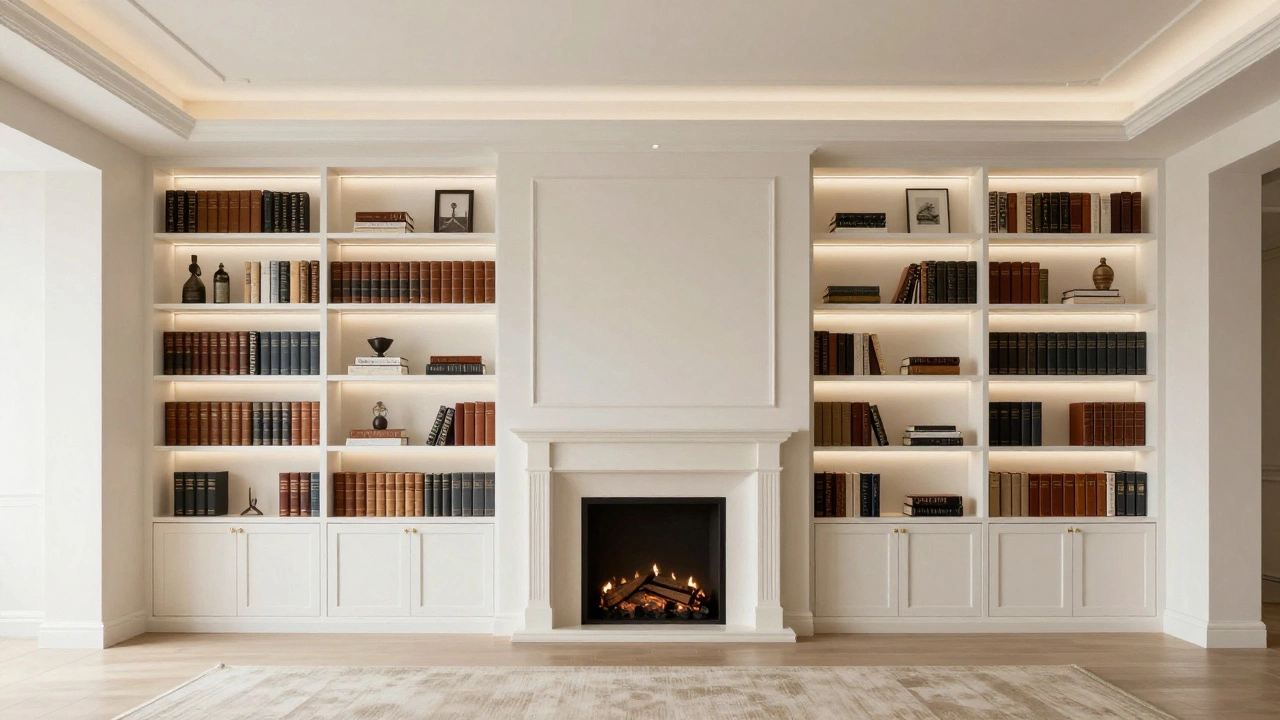
You have two main paths here. First, there are Built-in Shelves, which are custom-made to fit into a specific wall niche or span from floor to ceiling. These are the gold standard for luxury. They make the room feel larger because they integrate into the architecture. For example, a built-in unit around a fireplace creates a seamless look that increases the actual resale value of a home.
Then you have Freestanding Bookcases. These are the flexible option. If you rent your place or plan to move in two years, you don't want to build a permanent wall of wood. A freestanding unit, like a ladder shelf or a classic IKEA Billy, allows you to experiment. You can move it to the opposite wall if the lighting changes or sell it when your taste evolves from "industrial metal" to "mid-century modern."
| Feature | Built-in Shelves | Freestanding Bookcases |
|---|---|---|
| Cost | High (Custom labor) | Low to Medium |
| Installation | Permanent / Construction | Plug-and-play |
| Space Efficiency | Maximum (Uses every inch) | Variable (Depends on size) |
| Flexibility | Zero (Fixed position) | High (Portable) |
| Visual Impact | Architectural/Integrated | Decorative/Additive |
When You Should Probably Skip the Bookshelf
It's not always a win. If your living room is already cramped-think a 10x10 space with a bulky sectional-adding a deep bookshelf can make the room feel like a tunnel. When you're calculating space, don't just think about the footprint of the shelf; think about the "walking path." If you have to turn sideways to get to the kitchen, the shelf is too big.
Another red flag is poor lighting. A dark corner with a massive black bookshelf doesn't look "moody"; it looks like a void. Unless you're willing to install LED Strip Lighting or a dedicated reading lamp, a heavy bookcase in a dim room will just swallow the space and make it feel oppressive.
Styling Your Shelves Without Looking Like a Library
The biggest mistake people make is filling every single inch with books. That's how you get a library, not a living room. To keep it looking modern, follow the "rule of thirds." Dedicate one-third of the space to books, one-third to decorative objects (vases, candles, art), and leave the last third as empty space. This "white space" gives the eye a place to rest and prevents the room from feeling claustrophobic.
Try mixing your book orientations. Stand some books up traditionally, but stack a few horizontally. Use those horizontal stacks as pedestals for a small plant or a piece of jewelry. This creates a visual rhythm that feels organic and intentional. Also, consider the color palette. If your books are a chaotic mix of neon covers and old leather, try grouping them by color for a more cohesive, curated look.
Where to Actually Place the Shelf
Placement is everything. Putting a bookshelf directly across from a window can cause the sunlight to fade your book covers over time. Instead, try placing it on a wall perpendicular to the light source. If you have an awkward alcove or a dead space behind a door, that's the prime real estate for a slim bookcase.
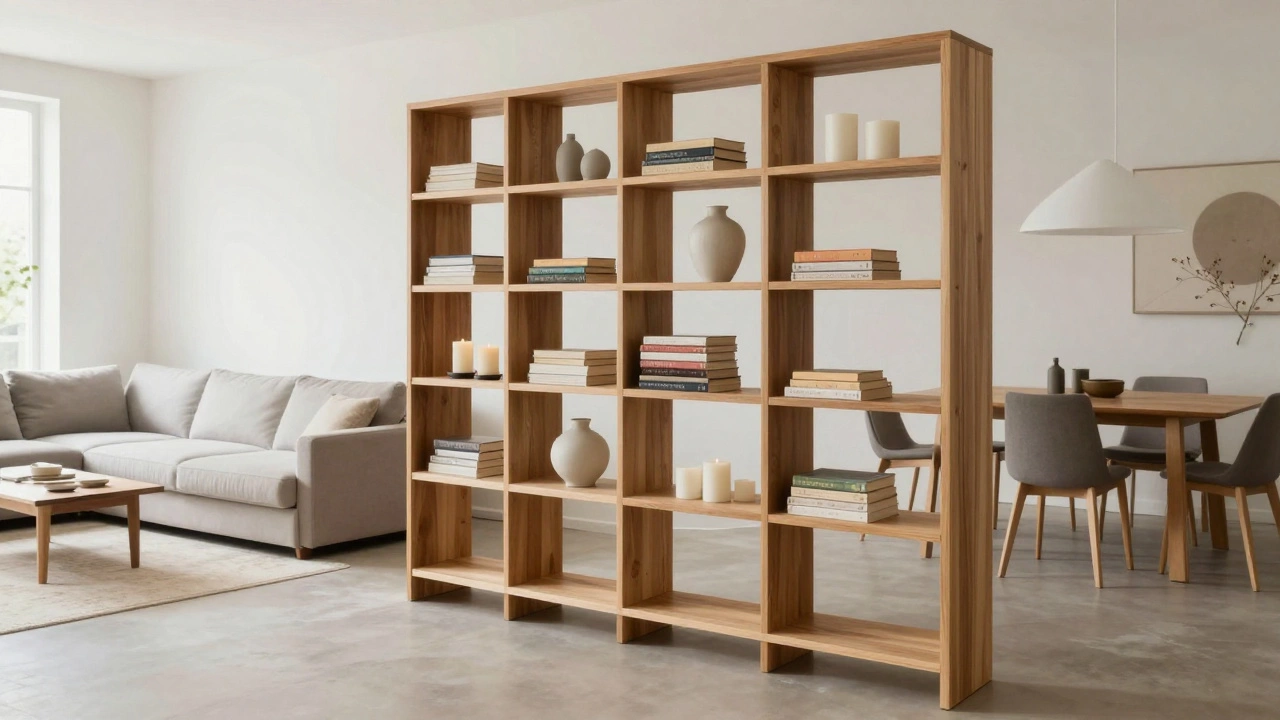
For those with open-concept homes, a Room Divider style bookshelf (like an open-back unit) is a game changer. It allows you to separate the "living" area from the "dining" area without building a wall. Because the light passes through the shelves, you maintain the airy feeling of the room while creating a functional boundary.
Common Pitfalls to Avoid
First, never forget the wall anchors. A tall, narrow bookcase is basically a sail waiting to tip over, especially if you have kids or pets. It takes two minutes to screw a L-bracket into the wall, but it saves you from a very expensive-and dangerous-accident.
Second, avoid the "everything store" approach. Don't use your living room bookshelf as a place to store your tax returns, old manuals, and random cables. Those things don't belong in a social space. If you need a place for ugly essentials, choose a bookcase with Cabinet Doors at the bottom. This hides the chaos while keeping the top shelves beautiful.
Will a large bookshelf make my small living room look smaller?
Yes, if it's a bulky, dark-colored unit that blocks walking paths. However, a light-colored, tall, and slim bookshelf can actually make the ceiling feel higher by drawing the eye upward, effectively creating an illusion of more space.
What is the best material for a living room bookcase?
Solid wood is the most durable and timeless, but engineered wood (like MDF) is more affordable and easier to paint to match your walls. Metal frames are great for industrial or modern styles and feel less heavy in a room.
How do I stop my books from sagging the shelves?
Avoid using thin particle board for long spans. If your shelves are more than 30 inches wide, look for units with a center support or use thicker shelving material. Distribute weight by putting heavy art books on the bottom shelves and lighter paperbacks on top.
Can I use a bookshelf as a TV stand?
You can, but it's risky. Most bookcases aren't designed for the depth and weight of a modern TV. If you do this, ensure the TV is securely fastened and that the shelf is wide enough to prevent the TV from tipping. A dedicated TV unit is usually a safer bet for electronics.
How often should I reorganize my bookshelf?
Usually once or twice a year. This allows you to rotate your favorite books to the front, clear out things you no longer read, and update the decor to match the current season.
Next Steps for Your Space
If you're still unsure, start small. Buy a single, high-quality freestanding shelf and see how it affects the flow of the room. If you love the feeling, you can gradually expand into a larger unit or even a full wall of built-ins. Before you buy, grab some blue painter's tape and outline the dimensions of the shelf on your floor and wall. Walk around that tape for a day. If you find yourself tripping over it or feeling cramped, you know it's time to look for a narrower model.