TV Mounting Solution Finder
Recommended Solution:
Select your preferences to see the best option for your setup.
Quick Checklist:
Fill out the form to get a tailored TV mounting recommendation.
Quick Tips for Choosing an Alternative
- Wall Mounts: Best for maximizing floor space and creating a clean, modern look.
- Universal Stands: Great if you want a sturdier, more attractive base than the stock legs.
- Floating Shelves: Perfect for a minimalist vibe, though weight limits are critical.
- Custom Furniture: The most expensive but most stable option for heavy screens.
The Gold Standard: Wall Mounting
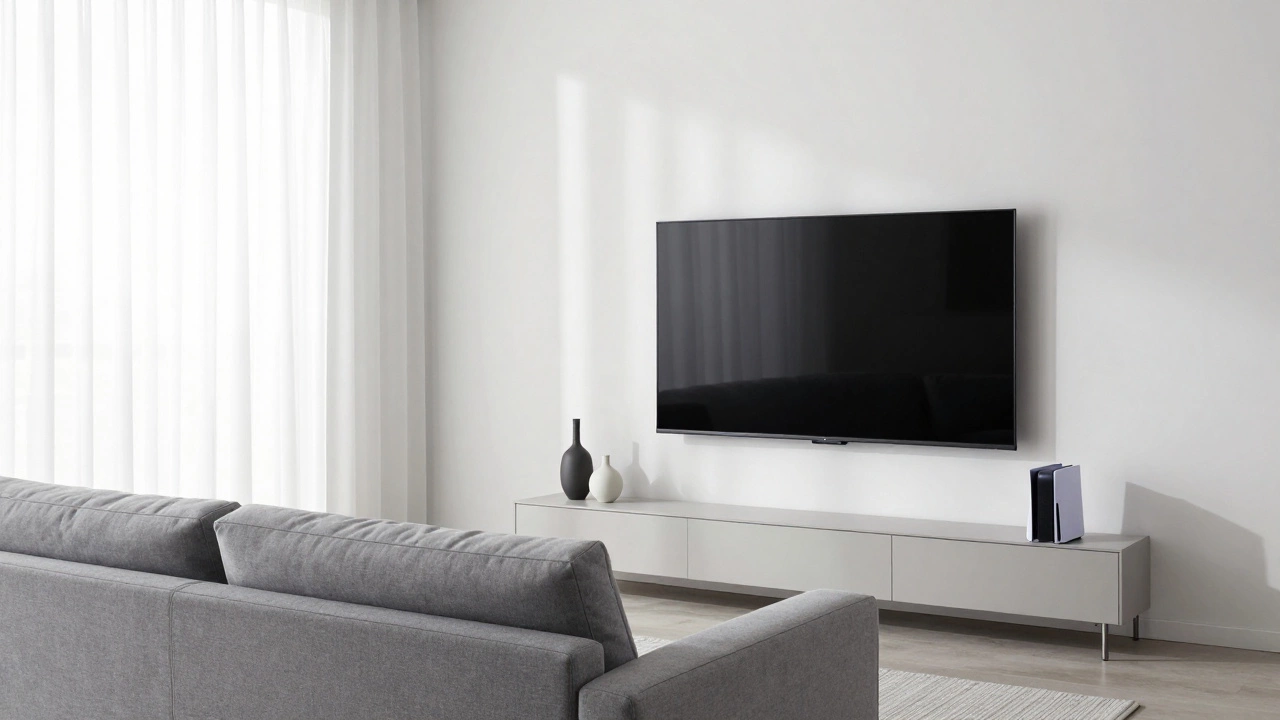
If you really want to ditch the legs, the most effective move is to get the TV off the furniture entirely. Wall Mounts is a hardware system that secures a television directly to a wall using a standardized set of screw holes. Commonly known as TV Brackets, these allow you to reclaim your entire TV stand surface for decor or gaming consoles.
You have a few choices here depending on how much you want the screen to move. A fixed mount is basically a heavy-duty metal frame that holds the TV flush against the wall. It's the most secure but gives you zero flexibility. If you're fighting a glare from a window in your Mississauga living room, a full-motion or articulating arm mount is a lifesaver. These let you pull the TV away from the wall and swivel it toward your seating area.
One big mistake people make is ignoring the wall material. If you're mounting into drywall, you absolutely must find the studs. Relying on plastic anchors for a 65-inch screen is a recipe for a very expensive accident. For those with brick or concrete walls, use toggle bolts or masonry anchors to ensure the weight is distributed evenly.
Universal Tabletop Stands
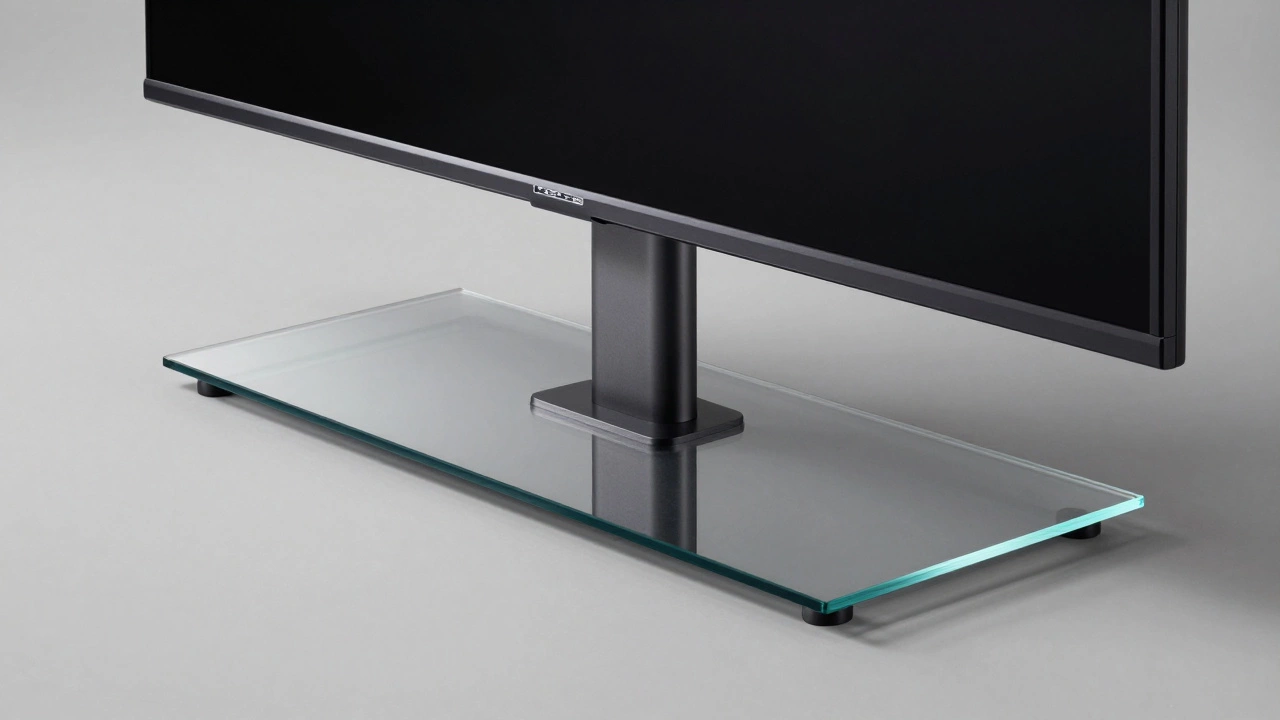
Sometimes you can't drill into the walls-maybe you're renting or you just don't want to deal with the dust. In that case, look for Universal TV Stands. a heavy-duty tempered glass or metal base that attaches to the VESA holes on the back of the TV instead of the sides. Unlike the thin legs that come with the TV, these usually feature a single, wide pedestal base that provides much better balance and a more premium look.
These are a game-changer for older TVs or new ones where the original legs are placed too far apart to fit on your existing furniture. Because they use the VESA Mount (Video Electronics Standards Association) pattern, they are compatible with almost every brand from Samsung to Sony. If your TV has a 200x200mm VESA pattern, a universal stand will typically slide right in and feel way more stable than those plastic feet.
| Option | Stability | Installation Effort | Space Saved | Best For |
|---|---|---|---|---|
| Wall Mount | High | Hard | Maximum | Permanent homes, modern looks |
| Universal Stand | Medium-High | Easy | Low | Renters, smaller furniture |
| Floating Shelf | Medium | Medium | High | Small screens, minimalists |
| Custom Plinth | Very High | Hard | Low | High-end interior design |
The Minimalist Route: Floating Shelves and Ledges
For smaller screens or monitors used as TVs, a Floating Shelf is a sleek alternative. a wall-mounted ledge that lacks visible support brackets, giving the illusion that the shelf is floating. Instead of legs, the TV simply sits on the shelf. This looks incredibly high-end, especially when paired with a clean white wall and a few succulent plants.
However, you have to be careful with the weight. A standard 55-inch LED TV might only weigh 30 pounds, but if you're using an older plasma screen, you're looking at nearly 100 pounds. Check the weight rating of the shelf and the type of brackets used. If the shelf is just held up by two small screws into drywall, your TV is going to end up on the floor. Look for shelves with heavy-duty steel brackets that go deep into the wall studs.
Furniture Hacks and Custom Bases
If you're handy with a drill and some wood, you can build a custom base. Some people choose to build a "plinth" or a low-profile wooden box that the TV can sit on. This is particularly useful if you want to hide cables. By building a hollow base, you can run all your HDMI and power cords inside the wood, avoiding the "cable spaghetti" look that usually ruins a living room's vibe.
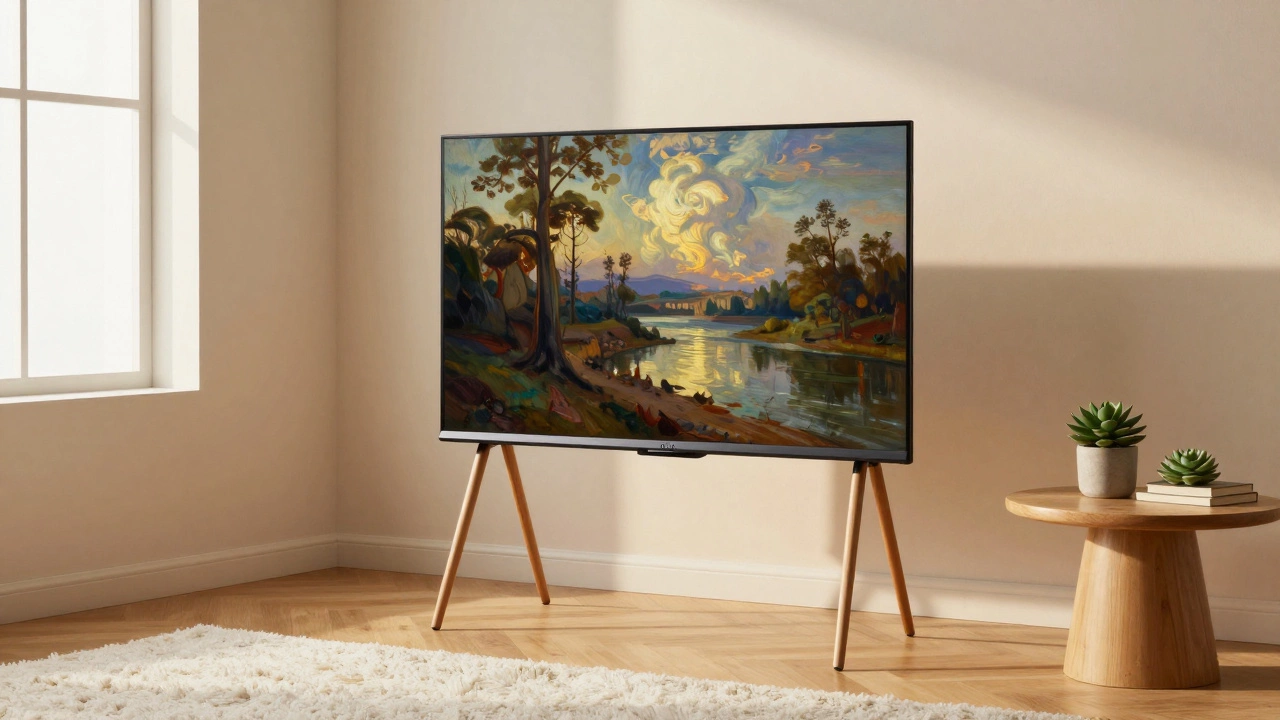
Another trick is using an easel stand. Easel TV Stands are three-legged wooden or metal frames that resemble an artist's canvas easel. This turns your television into a piece of art. It's a very popular trend in Scandinavian design and works great if you have a TV with an "Art Mode" or a screen that can display high-res paintings when not in use.
Avoiding Common Mistakes
When you decide to ditch the legs, the biggest risk is tipping. TVs are top-heavy by nature. If you use a universal stand or a floating shelf, make sure the center of gravity is aligned. A TV that leans forward is a ticking time bomb, especially if you have kids or pets. Always use a safety strap (anti-tip kit) to tether the back of the TV to the wall, even if you aren't fully mounting it.
Also, think about your viewing angle. When we use the factory legs, the TV is usually at a standard height. When we move to wall mounts or shelves, it's easy to mount the TV too high-the dreaded "TV too high" syndrome. Your eyes should be level with the middle of the screen when you're sitting in your favorite chair. If you have to tilt your head back to see the news, you've mounted it too high.
Can I use a universal stand if my TV doesn't have holes on the back?
Almost all modern TVs have VESA mounting holes. If yours doesn't, you'll need a VESA adapter kit, which is a set of brackets that grip the edges of the TV. However, these are rarer and can be less stable than standard holes.
Will a floating shelf hold a 65-inch TV?
It depends on the shelf's weight capacity and the wall support. Most basic decorative shelves cannot handle a 65-inch TV. You would need a heavy-duty industrial shelf anchored into at least two wall studs to do this safely.
Are easel stands stable enough for daily use?
Yes, provided they are high-quality and the TV is balanced correctly. Because they have a wider footprint than standard legs, they can actually be more stable on uneven floors, though they are still more prone to tipping than a wall mount.
What is the best way to hide cables when not using legs?
If you wall mount, use a cable raceway or "cord cover" that you can paint to match your wall. If you use a floating shelf, you can run cables behind the shelf or through a small hole drilled into the wall to hide them inside the cavity.
How do I know which VESA size I need for a universal stand?
Measure the distance between the four mounting holes on the back of your TV in millimeters. For example, if the holes are 400mm apart horizontally and 400mm vertically, you have a 400x400 VESA pattern. Most universal stands come with multiple sets of screws to fit various sizes.
Next Steps for Your Setup
If you're renting, start with a universal tabletop stand-it's the lowest risk and requires no permanent changes. If you own your home and want a clean look, invest in a high-quality articulating wall mount. Before you buy anything, grab a measuring tape and check your VESA pattern and wall stud locations. This ensures you don't end up with hardware that doesn't fit or a TV that isn't secure.