Furniture Market Navigator
Select your priority below to see which major furniture player aligns best with your needs.
Budget & Style
I want trendy designs at low prices and don't mind assembly.
Variety & Convenience
I want endless options delivered to my door without driving to stores.
Durability & Service
I need reliable family sets with white-glove delivery and local support.
Ergonomics & Prestige
I am investing in high-end comfort for work or luxury living.
Simplicity & Modern
I prefer curated choices, compressed shipping, and no middlemen.
Shopping Tip
Market Position
Visual representation of relative strengths across key metrics.
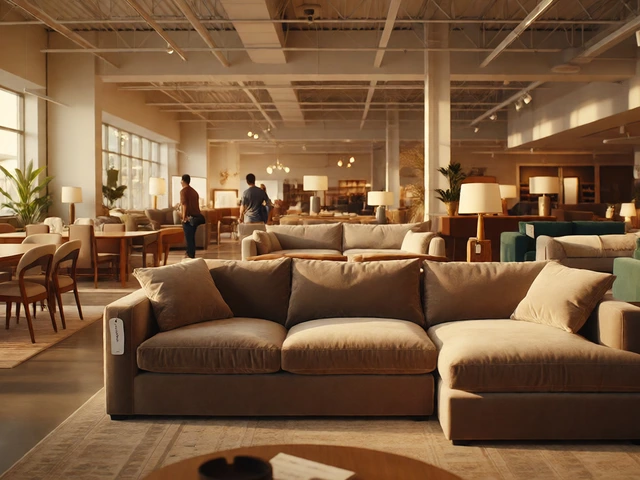
You walk into a showroom or scroll through an app, and suddenly you're drowning in options. Who actually runs this show? It’s not just one giant company swallowing everything whole. The furniture market is a sprawling ecosystem split between global retail juggernauts, agile online disruptors, and high-end luxury houses. If you’re looking to understand where your money goes when you buy that new sectional, you need to look past the logo on the box and see the supply chain behind it.
The landscape shifted dramatically over the last few years. We moved from buying strictly at local mom-and-pop stores to a hybrid world where digital convenience meets physical experience. By 2026, the lines have blurred even further. But if you strip away the marketing noise, a clear hierarchy emerges. Let’s break down who holds the cards, why they win, and what it means for your wallet.
The Global Retail Giant: Why IKEA Still Rules
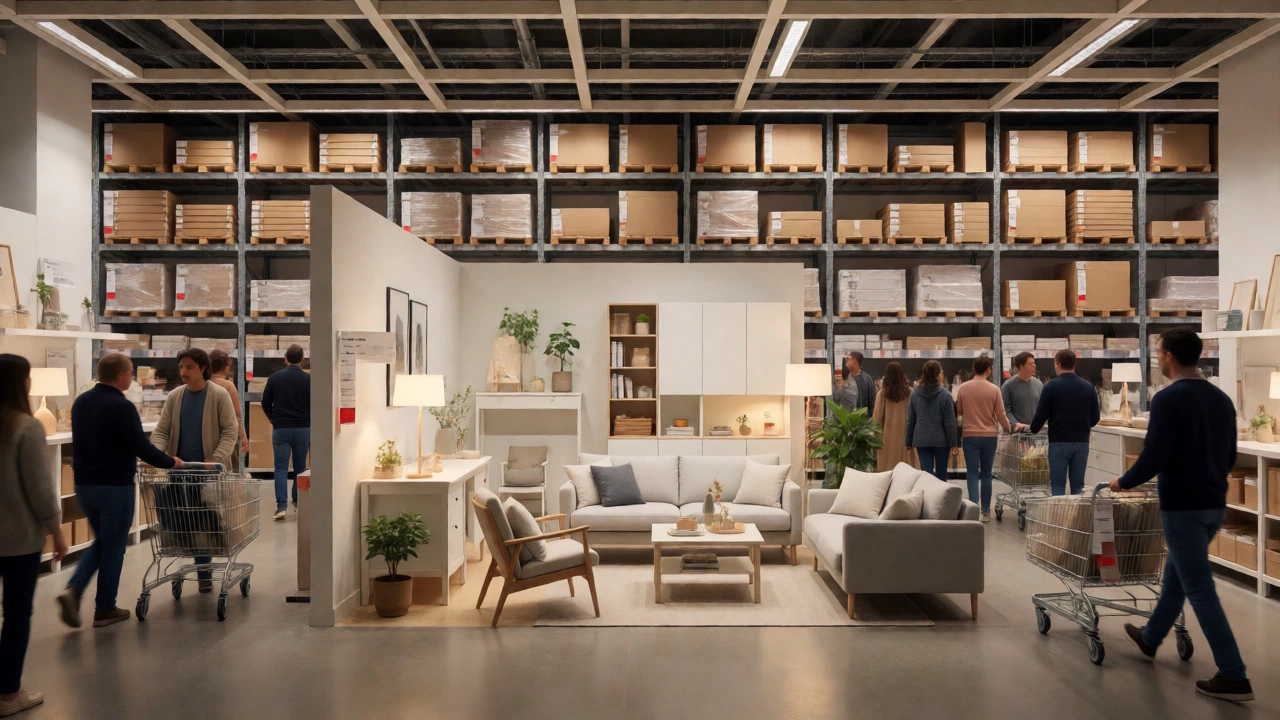
Ask anyone who sells the most furniture by volume globally, and the answer rarely changes. IKEA remains the undisputed king of flat-pack dominance. Their strategy isn't just about low prices; it's about controlling every step of the journey. From designing products in Sweden to manufacturing in Asia and Europe, then shipping them in space-efficient boxes, they’ve mastered logistics in a way no one else has replicated at scale.
IKEA’s strength lies in its "democratic design" philosophy. They make trendy styles accessible to the masses. You aren't just buying a chair; you're buying into a lifestyle brand that promises functionality without breaking the bank. In North America alone, their store traffic drives billions in revenue annually. While competitors try to undercut them on price, few can match their ability to turn a warehouse into a destination. You go there for a meatball sub and leave with a KALLAX shelf unit. That psychological hook is powerful.
The Digital Disruptor: Wayfair’s Algorithm-Driven Empire
If IKEA owns the physical floor, Wayfair owns the search bar. Unlike traditional retailers, Wayfair doesn’t manufacture much of its own inventory. Instead, it acts as a massive aggregator, connecting thousands of suppliers directly with consumers. This dropshipping model allows them to offer millions of SKUs (Stock Keeping Units) without holding vast amounts of stock in warehouses.
Why does this matter to you? Choice. You can find a mid-century modern credenza in six different shades of teal. But this breadth comes with risks. Quality control varies wildly because you’re dealing with third-party vendors. However, Wayfair’s data analytics are unmatched. They know exactly what colors are trending in Toronto versus Texas before the trend peaks. For the shopper who hates driving to stores and wants endless variety, Wayfair is the default choice. Their dominance in e-commerce furniture sales solidified during the pandemic boom and has only strengthened as delivery speeds improved.

The Traditional Powerhouses: Ashley and Raymour & Flanigan
Not everyone wants to assemble their bed frame at midnight. Enter the traditional big-box retailers like Ashley Furniture Industries. As the largest manufacturer and retailer of home furniture in the US, Ashley plays a different game. They focus on value-engineered products sold through independent dealers and their own branded stores.
Ashley’s advantage is durability and service. When you buy a sofa from them, you often get white-glove delivery and setup included. This appeals heavily to families and older demographics who prioritize reliability over trendiness. Meanwhile, regional chains like Raymour & Flanigan in the Northeast US or similar large chains in Canada dominate local markets. These players compete on trust. If your recliner breaks in three years, you know exactly where to call. They don’t rely on algorithms; they rely on salespeople who remember your name. This human touch keeps them relevant despite the digital shift.
| Company | Primary Strength | Business Model | Best For |
|---|---|---|---|
| IKEA | Volume & Design Accessibility | Vertical Integration (Design to Sale) | Budget-conscious style seekers |
| Wayfair | Variety & Convenience | E-commerce Aggregator / Dropshipping | Niche finds & online shoppers |
| Ashley | Distribution Network & Value | Manufacturer + Franchise/Dealer | Families needing durable sets |
| Herman Miller | Ergonomics & Brand Prestige | Premium Manufacturing | Office workers & design enthusiasts |
The Luxury Niche: Herman Miller and Restoration Hardware
At the other end of the spectrum sit brands that sell status as much as seating. Herman Miller dominates the premium office and residential ergonomic market. Their Aeron chair isn’t just a seat; it’s an investment piece recognized worldwide. They command high margins because their R&D costs are baked into the price tag. You pay for the science behind the lumbar support.
Similarly, Restoration Hardware (RH) redefined luxury living rooms. They turned furniture shopping into an experiential event, with galleries that feel more like art museums than stores. Their catalog features heavy, opulent pieces made from solid woods and expensive leathers. While they don’t compete on volume with IKEA, their per-unit revenue is staggering. They target the affluent buyer who views furniture as heirloom quality rather than disposable decor.

Emerging Challengers: Direct-to-Consumer Startups
Remember Casper mattresses? That direct-to-consumer (DTC) wave spilled over into sofas and beds. Companies like Article, Sabai, and Burrow bypassed middlemen entirely. By selling online and shipping compressed boxes, they offered mid-range quality at lower prices than traditional stores.
These startups disrupted the market by simplifying choices. Instead of 50 fabric options, you get five curated ones. This reduces decision fatigue. However, many of these smaller players struggle with long-term profitability due to high customer acquisition costs. Some have been acquired by larger entities, signaling consolidation in the sector. If you’re shopping now, check if your favorite startup still exists independently or has merged into a bigger parent company.
What Does This Mean for Your Next Purchase?
Understanding who dominates helps you negotiate better. Knowing that IKEA operates on thin margins but high volume tells you not to expect haggling there. Conversely, knowing that traditional dealers like Ashley operate on higher markups gives you room to ask for free delivery or extended warranties.
- Check Return Policies: Online giants like Wayfair have lenient returns, but restocking fees can hurt. Physical stores often charge for return pickup.
- Watch for Sales Cycles: Big retailers discount heavily during holiday weekends (Labor Day, Black Friday). DTC brands tend to run flash sales more randomly.
- Consider Assembly Costs: If you hate DIY, factor in the cost of professional assembly. IKEA charges extra; some DTC brands include it.
The market isn’t static. Sustainability pressures are forcing companies to use recycled materials. Supply chain issues have pushed some manufacturers back to North American production to cut shipping times. Keep an eye on these shifts. The next dominant player might be the one that solves the waste problem first.
Is IKEA really the biggest furniture retailer in the world?
Yes, by revenue and store count, IKEA is widely considered the largest furniture retailer globally. They operate in over 60 markets and serve hundreds of millions of customers annually. Their vertical integration allows them to maintain lower prices than most competitors.
Why is Wayfair so popular if they don't make their own furniture?
Wayfair aggregates products from thousands of third-party suppliers. This allows them to offer a massive variety of styles and sizes that a single manufacturer couldn't produce. Their platform uses advanced algorithms to recommend products based on user behavior, making discovery easy for online shoppers.
Which brand is best for office chairs?
Herman Miller is generally regarded as the leader in high-end ergonomic office chairs, particularly known for the Aeron and Embody models. For budget-friendly options, brands like Staples or Amazon Basics dominate, while Steelcase competes closely with Herman Miller in the corporate sector.
Are direct-to-consumer furniture brands cheaper?
Often, yes, because they eliminate retail overhead. However, they may charge for shipping and assembly. Compare the total landed cost against traditional retailers who might include delivery. Sometimes the savings disappear once you add those services.
How do I know if a furniture brand is sustainable?
Look for certifications like FSC (Forest Stewardship Council) for wood products or OEKO-TEX for textiles. Major players like IKEA and Wayfair are increasingly publishing sustainability reports detailing their material sourcing and carbon footprint reductions.