
Storage Moisture Protector Calculator
Your Storage Situation
Simple InputsEnter your details above to see the optimal protection strategy.
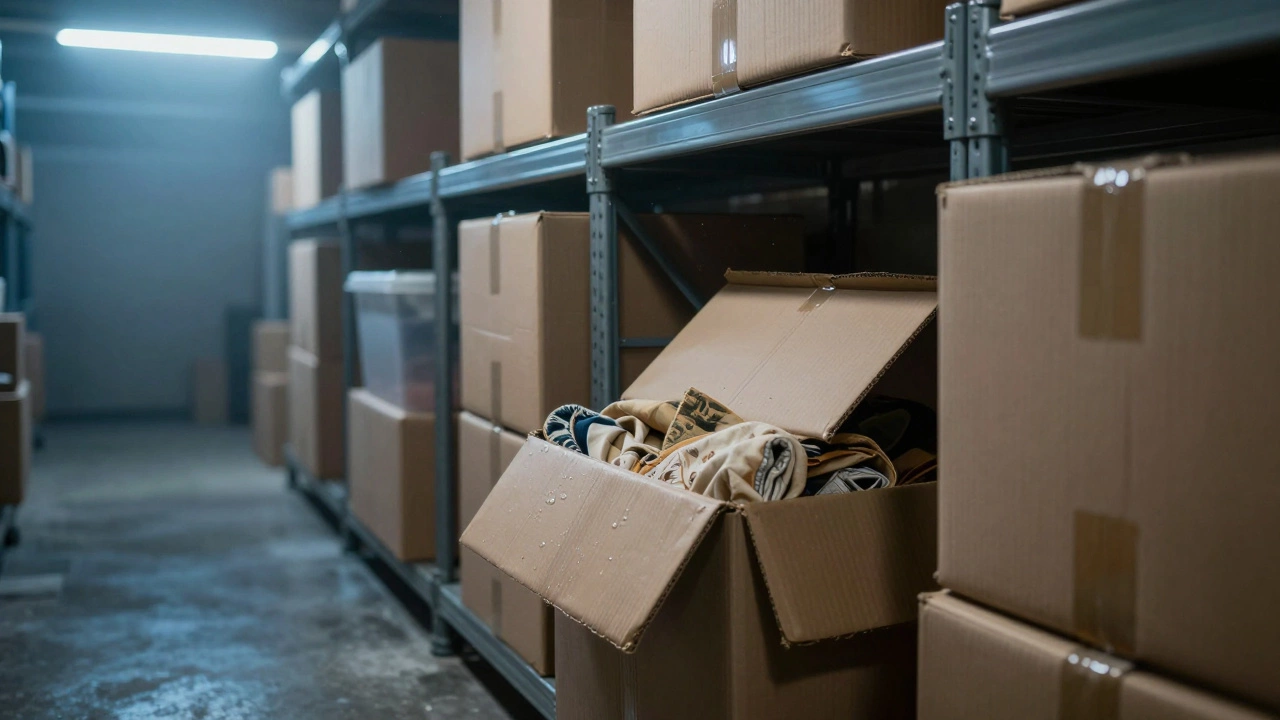
There is nothing quite like opening a plastic bin in your storage unit during July only to find your winter coats smelling like wet dog. You didn't forget to vacuum seal; you just underestimated the power of condensation. If you have ever stored items in a garage, basement, or rented space in Mississauga, you know that humidity spikes can ruin paper, rust tools, and grow mold on fabrics within days. This problem isn't just about smelly boxes; it is about protecting long-term assets.
Why Moisture Control Matters in Storage
Temperature swings are the silent killer in storage spaces. When warm air meets cool surfaces, condensation forms. In places like Ontario, summer heat brings high humidity levels, while winter cold causes freezing points that trap moisture in walls. Without intervention, this water vapor settles on everything you store. Over time, it leads to structural rot in wood, corrosion on metal frames, and irreversible staining on textiles. You need a solution that actively pulls water from the air, not just something that sits there hoping for the best.
Understanding Chemical Moisture Absorbers
The most effective tools for enclosed spaces rely on chemistry rather than electricity. These passive devices change the state of water vapor into liquid or solid, effectively removing it from the air around your belongings. The two dominant technologies you will encounter are desiccant bags and salt-based traps. Each has a specific job, and using the wrong one means wasted money.
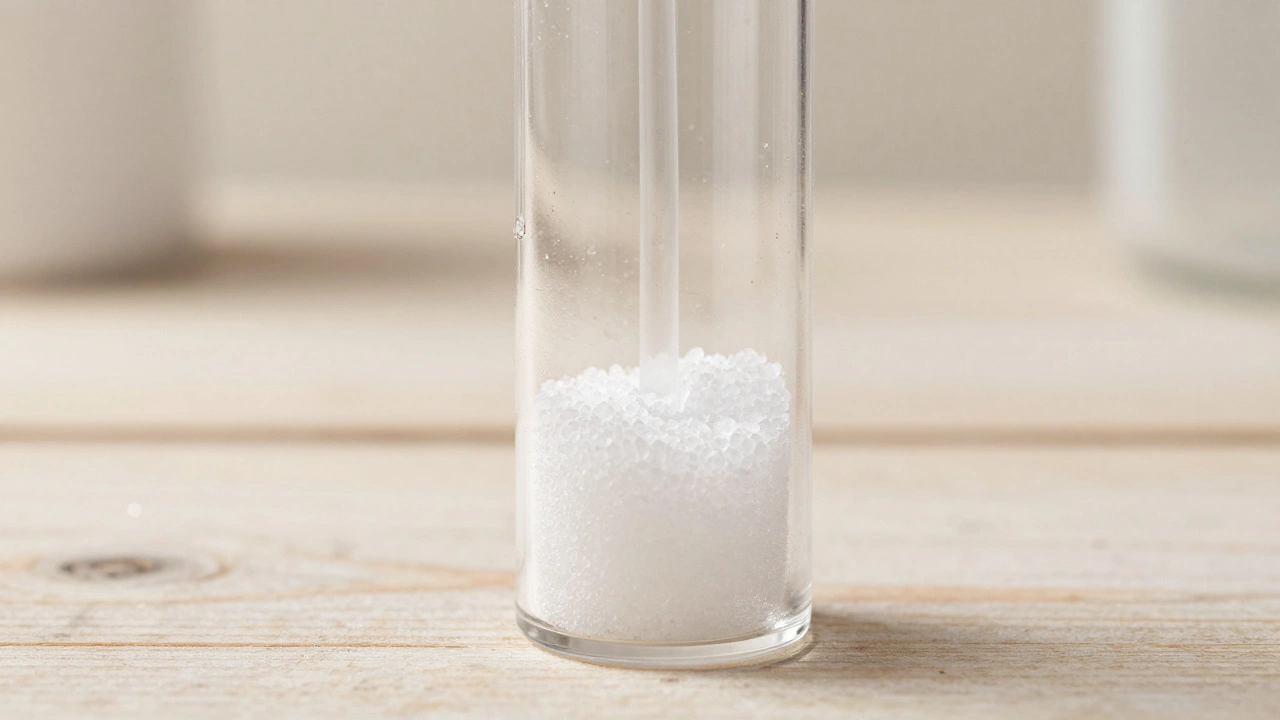
Calcium Chloride is a powerful hygroscopic compound used in industrial and home moisture control solutions. Often sold under brand names like DampRid, this material absorbs water rapidly and turns it into a liquid collectible at the bottom of its container. Because it creates liquid water, it requires a reservoir design so the fluid doesn't spill onto your floors. It works best in large, semi-sealed areas like small rooms or portable containers. This technology handles heavy loads, making it ideal if you are moving a truckload of furniture into a non-climate-controlled unit.
If you need something smaller for tight spaces, look for silica gel packets. These are the little envelopes found in shoe boxes or electronics packaging. While less potent than salt, they are excellent for sealing up individual chests or vintage cameras. However, for whole-room storage protection, their capacity is too limited unless you use dozens of them simultaneously.
Electric Solutions: Portable Dehumidifiers
For larger self-storage units or basements, a battery-operated option might seem convenient, but standard plug-in models are superior. An electric unit uses a compressor to pull air over cold coils, condensing the water before returning dry air to the room. Unlike chemical absorbents, these machines do not need replacing, though they require an electrical outlet and periodic emptying of a tank.
Portable Dehumidifier is an active machine that removes moisture from the air using refrigeration technology. These units typically cover up to 50 square meters depending on their wattage. They offer continuous operation, which chemical bags cannot match. The downside is cost and the need for wiring. If your rental unit has a power strip nearby, this is often the most robust choice for sensitive items like antiques or wine collections.
Comparing the Top Choices
To help you decide quickly, here is a breakdown of performance characteristics for the three main types available on the market today.
| Type | Capacity (Liters/Week) | Lifespan | Power Source | Cost Efficiency |
|---|---|---|---|---|
| Calcium Chloride Bag | Up to 20 liters | 3-6 months | N/A | High |
| Silica Gel Packets | Less than 0.5 liters | 1-3 months | N/A | Medium |
| Electric Dehumidifier | Unlimited (continuous) | Years | AC Plug | Low Initial, High Long-term |
| Charcoal Bag | Variable | 1-2 years | N/A | Medium |
Choosing Based on Your Space Size
Size matters significantly when calculating the amount of absorption needed. A standard walk-in storage locker roughly measuring 10x10 feet contains a specific air volume that dictates the workload. For boxes stacked tightly, air circulation is poor, meaning surface absorption (putting bags between shelves) is better than room-wide treatment. If you are storing cars or machinery, the focus should be preventing oil residue from absorbing moisture. Place calcium chloride containers near doorways where outside air leaks in.
For those who prefer reusable methods, activated charcoal bags provide odor control alongside some moisture reduction. They are less aggressive on humidity but work wonders against musty smells trapped in old carpets. You can bake these bags in an oven to reset them, extending their life cycle compared to single-use salt bags.
Placement Strategies for Maximum Effect
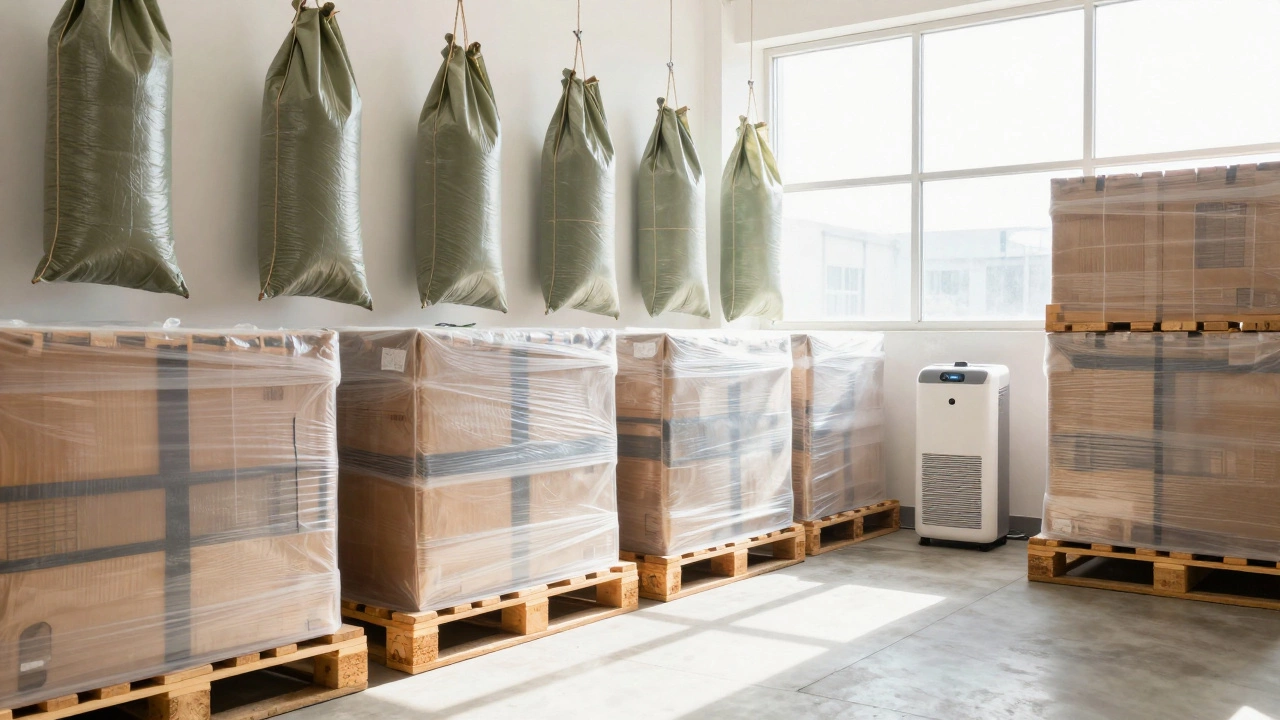
Where you put these devices changes the outcome dramatically. Do not hide them at the bottom of a cabinet. Humidity collects everywhere, but rising warm air carries moisture to higher points. Hang large bags from the ceiling hooks found in many storage facilities. Floor placement works for the lowest layer of items, specifically shoes or paperbacks prone to warping. Always ensure the bottom of the container rests on a waterproof tray to catch overflow. Spilled calcium chloride solution can eat through carpet fibers.
Maintenance and Replacement Cycles
Your investment fails if you ignore maintenance. Chemical containers lose potency as they saturate. Most manufacturers advise checking monthly during peak seasons. If the liquid fills the container halfway, replace it immediately. In Mississauga, humidity peaks during June, July, and August. Winter tends to be drier, allowing you to skip a month occasionally, but spring thaws bring moisture back into concrete slabs. Resetting the schedule based on local weather patterns prevents surprise mold growth.
Preventing Water Damage Before It Starts
Absorbers handle the moisture already in the air, but prevention keeps it out. Seal your floor level with plastic sheeting. Concrete floors breathe ground moisture into items placed directly on them. Using pallets or wooden platforms creates an air gap, allowing evaporators to work below your items. This combination-platforms plus active absorption-provides the strongest defense against total loss.
Frequently Asked Questions
How long does a standard moisture absorber bag last?
Depending on the humidity levels and the size of the room, a typical 1-liter calcium chloride bag lasts between 60 to 120 days. Once the liquid collects fill the bottom reservoir, it loses effectiveness and should be swapped out.
Can I leave moisture absorbers in my car during winter?
Yes, hanging a bag inside the vehicle helps reduce interior fogging. However, ensure it is secured so it does not roll onto the pedals or interfere with safety features while driving.
Is silica gel safe for food items?
Silica gel packs labeled as 'edible' grade are generally considered non-toxic, but standard packets may carry warnings against ingestion. Keep all moisture packs away from direct contact with consumable goods to avoid accidental contamination.
Will a dehumidifier work in a sealed garage?
It works best when there is some ventilation. In a completely airtight garage, the machine will struggle to circulate air efficiently. Open windows slightly or install a vent pipe to allow exchange while maintaining low humidity.
Can moisture absorbers remove mold spores already present?
They prevent future growth by lowering humidity but do not kill existing mold. You must clean visible mold with specialized cleaners before using absorbers to stop it from spreading.
Protecting your stored property comes down to understanding the environment. Whether you choose a chemical salt bag or an electric unit, consistency is key. Set a reminder on your phone to check the collection cups every season. A few minutes of attention now saves hundreds of dollars in replacement costs later.