Armoire vs. Wardrobe Comparison Tool
Key Differences Between Armoires and Wardrobes
How to Identify an Armoire
A true armoire will have solid wood construction, hand-carved details, brass hardware, and dovetail joints. Look for maker's marks and heavy weight - often over 150 pounds. True armoires are built to last generations, not discarded when style changes.
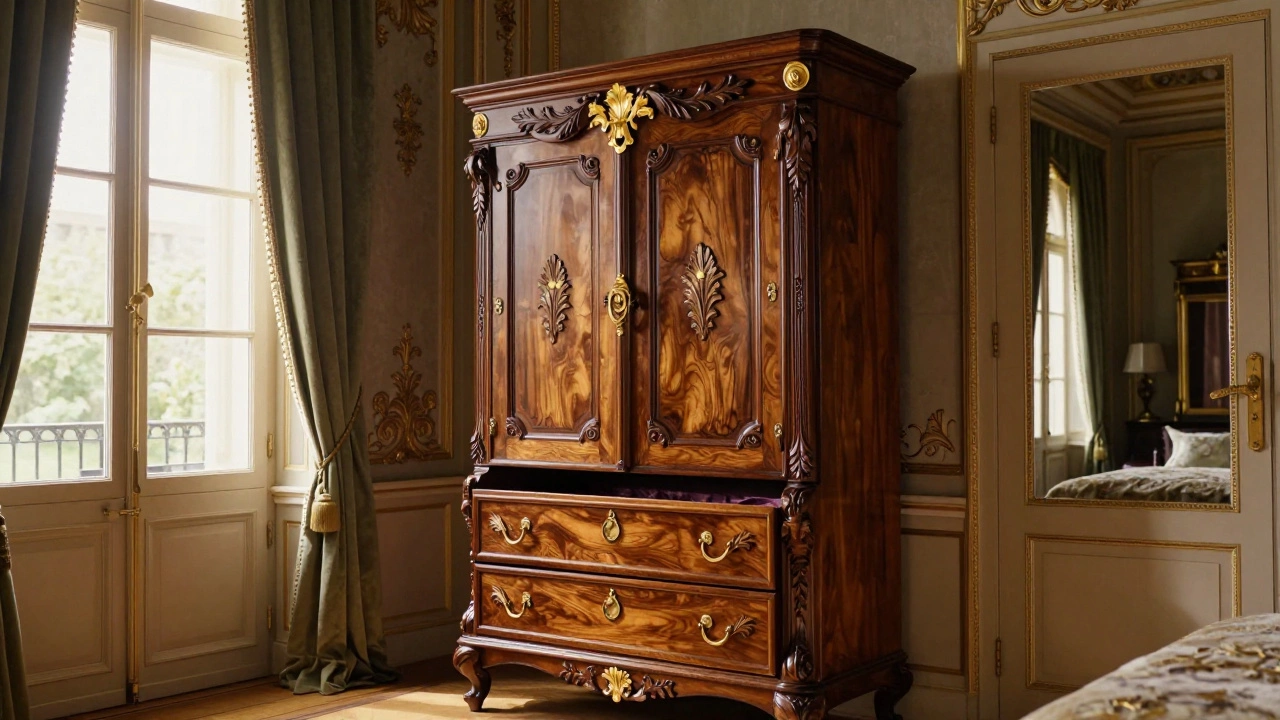
Ever walked into a luxury bedroom and seen this massive, ornate wardrobe with carved panels, gilded edges, and velvet-lined drawers? You might hear someone call it a royal wardrobe-but that’s not its real name. It’s a nickname. People use it because it looks like something a king or queen would own. But if you’re shopping for one, or trying to describe it to a designer, you need the actual term. So what is royal wardrobe called?
The Real Name: Armoire
The correct term for what most people call a ‘royal wardrobe’ is an armoire. This isn’t just fancy vocabulary-it’s a specific type of furniture with a history going back to 17th-century France. An armoire is a tall, freestanding cabinet, usually made of wood, with doors that open to reveal hanging space, shelves, and drawers. What makes it different from a regular wardrobe? Size, detail, and craftsmanship.
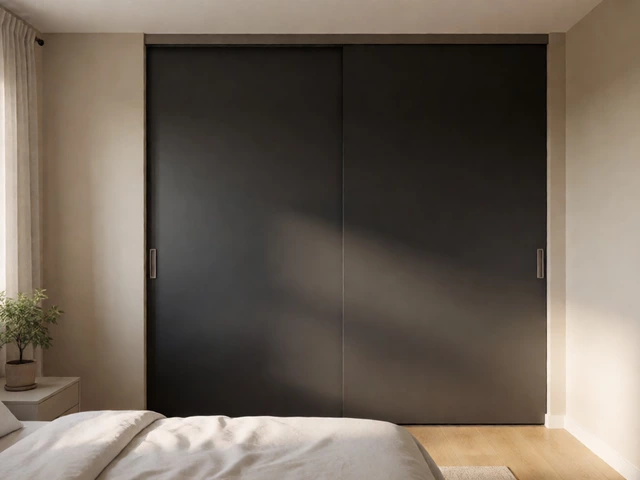
Modern wardrobes are often flat-pack, minimalist, and made from particleboard. Armoires? They’re built to last. Solid oak, walnut, or mahogany. Hand-carved moldings. Brass hardware. Some even have mirrored doors or hidden compartments. They’re not just storage-they’re statement pieces. That’s why people compare them to royalty. They don’t just hold clothes; they command a room.
Why Do People Say ‘Royal Wardrobe’?
The term ‘royal wardrobe’ sticks because it’s visual. Think of the grand wardrobes in palaces like Versailles or Buckingham Palace. Those weren’t just closets-they were rooms within rooms. In the 1700s, nobility had entire suites dedicated to clothing storage. Tailors, valets, and seamstresses worked inside them. The doors were often painted with scenes of mythology or landscapes. Some even had built-in lighting from oil lamps.
Today, when someone sees an armoire with intricate carvings or a dark, polished finish, they think: ‘That looks like something a king would use.’ So they call it a royal wardrobe. It’s not wrong-it’s just imprecise. Like calling a Ferrari a ‘fast car.’ Technically true, but you’re missing the brand, the engineering, the history.
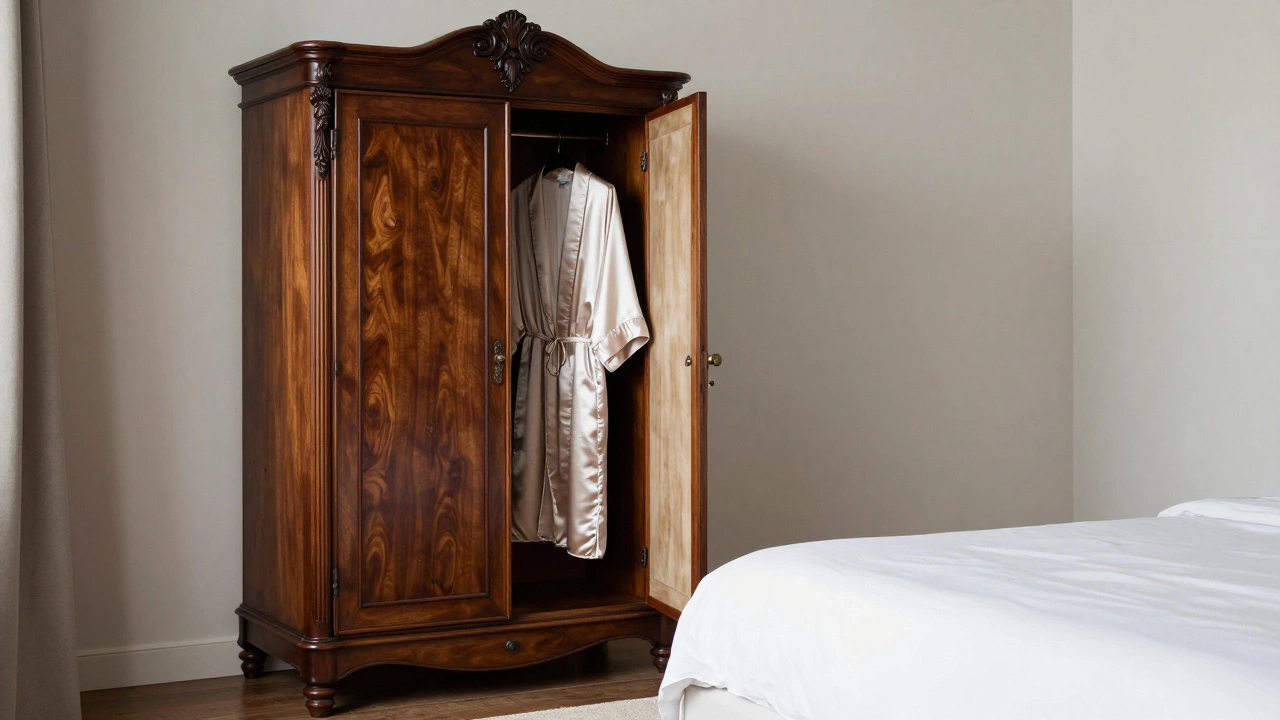
How to Spot a True Armoire
If you’re looking to buy one, here’s what to check for:
- Material: Solid wood only. Avoid MDF or veneer. Real armoires are heavy-often over 150 pounds.
- Construction: Dovetail joints on drawers. Mortise-and-tenon frames. No screws visible on the outside.
- Details: Carved floral patterns, acanthus leaves, or scrollwork. Gilding or antique finishes.
- Size: Usually 6 to 8 feet tall. Width ranges from 3 to 5 feet. Depth is at least 24 inches to hang long coats.
- Hardware: Brass or bronze handles, sometimes with patina. No plastic or chrome.
Real armoires are often labeled with maker’s marks or dates. Antique ones might have a stamp inside the back panel. If you’re buying new, look for brands like Heritage Furniture, Thomasville, or Bernhardt-they still make hand-finished armoires in the traditional style.
Armoire vs. Wardrobe: Key Differences
Not all tall closets are armoires. Here’s how to tell them apart:
| Feature | Armoire | Standard Wardrobe |
|---|---|---|
| Material | Hardwood (oak, walnut, mahogany) | Plywood, MDF, particleboard |
| Weight | 150-300 lbs | 50-100 lbs |
| Construction | Hand-assembled, joinery only | Pre-fabricated, screw-and-glue |
| Design | Ornate, decorative, sculptural | Simple, functional, flat-front |
| Price Range | $1,200-$8,000+ | $200-$800 |
| Origin | European, 17th-century design | Modern, mass-produced |
If you’re decorating a bedroom with traditional or vintage style, an armoire adds depth and character. A standard wardrobe? It just hides clothes. There’s a reason armoires show up in period dramas, luxury hotels, and high-end interior design magazines. They’re not storage-they’re art.
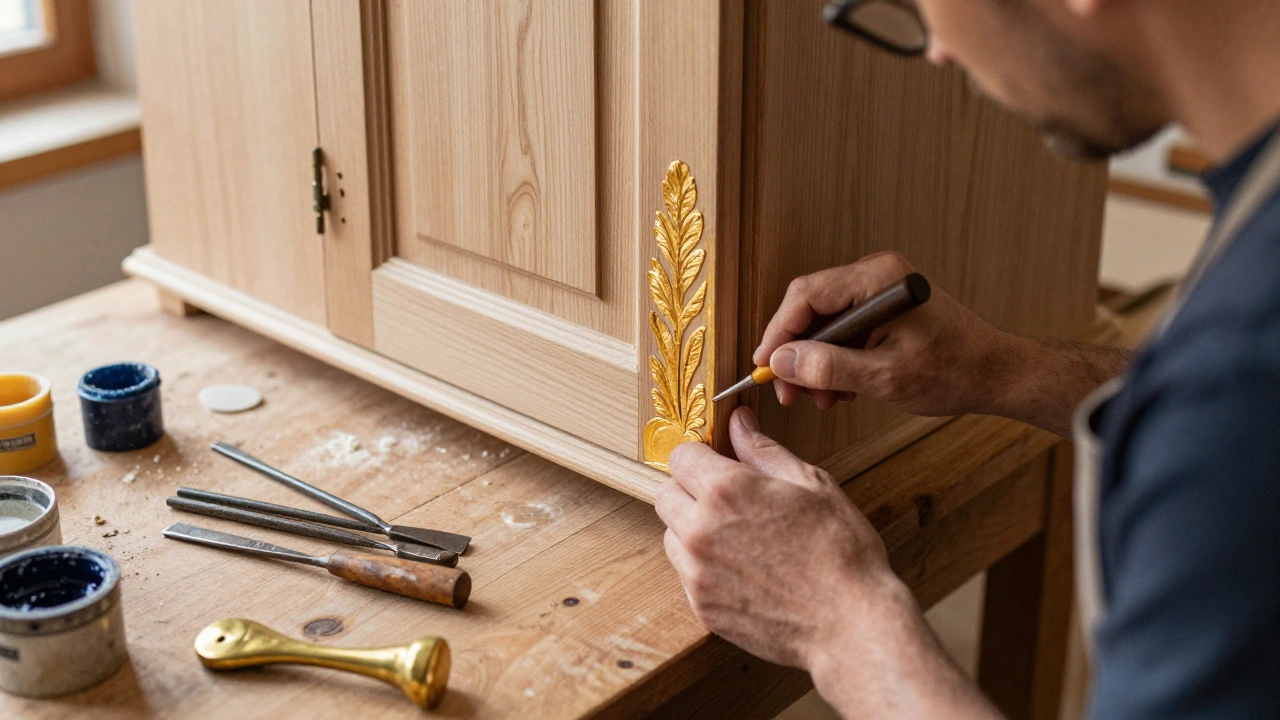
Where to Find Real Armoires Today
You won’t find authentic armoires at big-box stores like IKEA or Walmart. They’re sold through specialty furniture dealers, antique shops, and custom woodworkers. In Canada, places like Ontario Heritage Furniture in Hamilton or Toronto Armoire Co. make new pieces using old-world techniques. Online, check out 1stDibs or Etsy for vintage finds-but be careful. Many sellers mislabel modern wardrobes as ‘antique armoires.’
Look for these red flags:
- Price under $500 for a ‘hand-carved’ piece
- ‘Made in China’ sticker hidden inside
- Warping or uneven finish
- No maker’s mark or provenance
Real armoires appreciate in value. A well-maintained 19th-century piece can sell for over $10,000. Even a new one from a reputable maker holds its value better than any flat-pack closet.
Why This Matters for Your Home
Calling it a ‘royal wardrobe’ might sound cool, but it won’t help you when you’re shopping. If you walk into a store and ask for a ‘royal wardrobe,’ you’ll get blank stares-or worse, a cheap knockoff. Knowing the right term-armoire-lets you communicate clearly with designers, movers, and sellers. It also helps you recognize quality.
More than that, it connects you to centuries of craftsmanship. An armoire isn’t just a place to hang your coats. It’s a piece of history. It carries the skill of artisans who worked before electric tools. It’s designed to be passed down. That’s why people still love them. Not because they’re fancy. Because they’re real.
So next time you see that towering, carved cabinet, don’t call it royal. Call it an armoire. And if you ever get the chance to own one-don’t hesitate. You’re not buying storage. You’re buying legacy.
Is a royal wardrobe the same as a closet?
No. A closet is built into the wall and usually has no doors or drawers. A royal wardrobe, or armoire, is a freestanding piece with doors, shelves, and drawers. It’s movable and decorative, not part of the structure of the room.
Can you use an armoire in a modern room?
Yes. Many people blend armoires into modern spaces for contrast. A dark walnut armoire next to a white minimalist bed creates visual interest. It adds warmth and texture. Just avoid overly ornate styles if your room is ultra-minimalist.
Are armoires still made today?
Yes. While most are handmade by small workshops, brands like Bernhardt, Henredon, and Thomasville still produce them. Some companies even offer custom carvings or finishes. They’re not common, but they’re available if you know where to look.
How do you clean and maintain an armoire?
Use a soft, dry cloth to dust weekly. For deeper cleaning, use a wood-specific cleaner like Howard Feed-N-Wax. Never use water or spray cleaners. Keep it away from direct sunlight and heat vents to prevent cracking. Polish every 6-12 months.
What’s the difference between an armoire and a chiffonier?
A chiffonier is a tall, narrow cabinet designed for storing linens or accessories, not clothing. It usually has drawers and no hanging space. An armoire is wider and includes rods for hanging clothes. They’re similar in style but serve different functions.
If you’re looking to upgrade your bedroom with something timeless, skip the flat-pack options. An armoire doesn’t just store your clothes-it tells a story. And in a world of disposable furniture, that’s worth more than you think.