TV Stand Aesthetics: Design, Style, and Smart Placement Tips
When we talk about TV stand aesthetics, the visual and functional design of the furniture that holds your television. Also known as media console, it's not just a shelf for your TV—it's a key part of your living room’s rhythm. A TV stand that looks good but doesn’t fit your space, or one that’s too tall or too short, ruins the whole feel. It’s not about matching every piece of furniture. It’s about balance, purpose, and how it makes you feel when you sit down to watch something.
The best TV stand aesthetics don’t scream for attention. They quietly hold everything together. Think about how your TV stand, a piece of furniture designed to support and display a television relates to your coffee table, a low table placed in front of a sofa, often used for drinks, decor, or remote controls. Do they share the same wood tone? Same height? Same vibe? You don’t need them to be twins, but they should feel like they belong in the same room. A mismatched TV stand can make your whole space feel sloppy—even if everything else is perfect.
And height matters more than you think. A 70-inch TV on a stand that’s too low forces you to look down. Too high, and you’re staring at the ceiling. The sweet spot? Eye level when you’re sitting. That’s not a design rule—it’s a comfort rule. Same goes for depth. A bulky stand that sticks out too far eats up floor space and makes walking around awkward. You don’t need a giant cabinet. A clean, shallow console often works better, especially in smaller homes.
Color and material play a big role too. Dark wood? Matte black? White lacquer? Each tells a different story. If your walls are light and your sofa is neutral, a dark TV stand adds grounding. If your room is already full of color, a simple white or gray stand lets everything else breathe. It’s not about following trends. It’s about what lasts. That’s why timeless finishes—like walnut, brushed metal, or matte finishes—keep showing up in the best-designed rooms.
Don’t forget about clutter. A TV stand isn’t a junk drawer. Too many cables, remotes, or knick-knacks turn it into visual noise. The most beautiful TV stands are the ones that hide what’s messy. Think hidden compartments, cable management channels, or open shelves that only hold a few well-chosen items—a plant, a book, maybe a small speaker. Less is more, and clean lines beat clutter every time.
Some people think they need a matching entertainment center. They don’t. A standalone TV stand with a few well-placed shelves or a wall-mounted unit can look way more modern and intentional. And if you’re not into traditional stands at all? Wall mounts, floating shelves, or even a sturdy console table repurposed as a TV base can work better than a bulky cabinet. It’s about what fits your life, not what a catalog says you should buy.
There’s no single right way to do TV stand aesthetics. But there are clear wrong ways—ignoring height, ignoring clutter, ignoring how the piece connects to the rest of the room. The posts below show real examples: how to pick the right height, when to match your coffee table, what materials actually look good in real homes, and how to avoid the mistakes most people make. You’ll find practical fixes, smart alternatives, and simple tweaks that make your TV area look intentional—not just installed.
-
Quentin Melbourn

- 27 November 2025
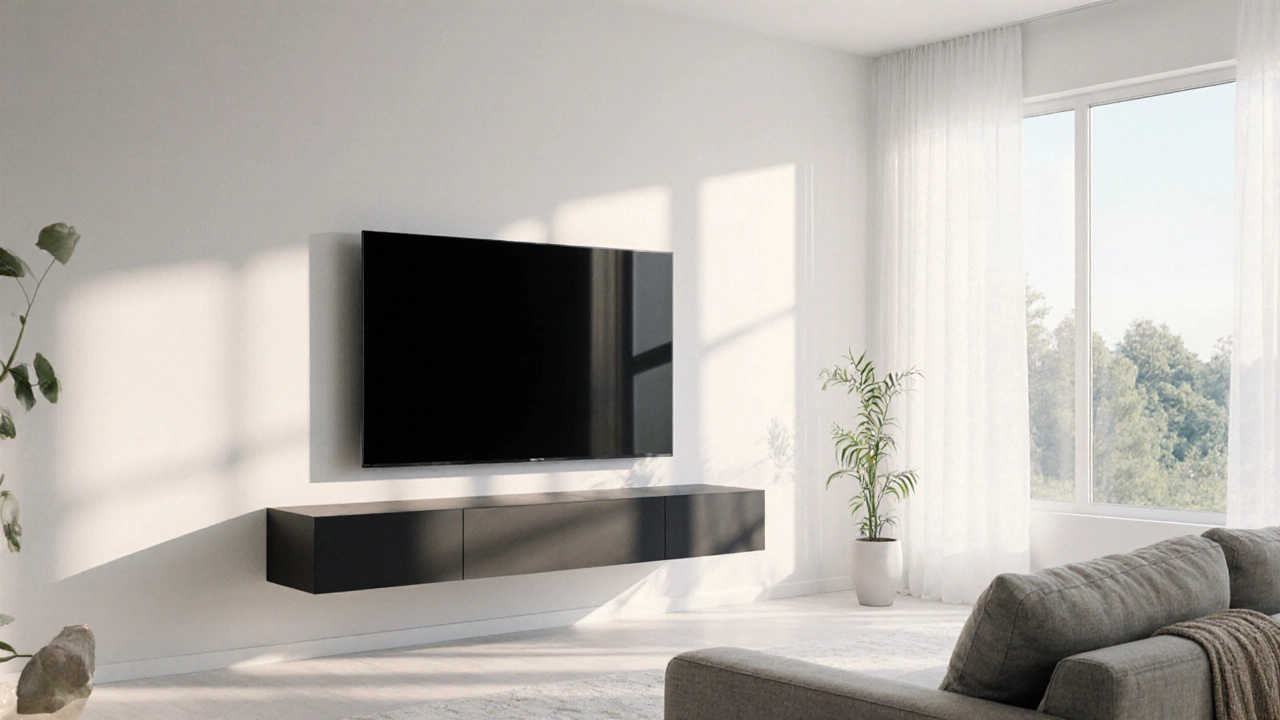
What Color Looks Best on TV? The Right TV Stand Color for Your Living Room
The right TV stand color makes your TV look seamless and high-end. Learn which colors work best with your walls, lighting, and TV size to avoid common mistakes and create a polished living room look.
Popular Posts




Categories
Tag Clouds