Tatami Mat: What It Is and How It Fits in Modern Homes
When you think of tatami mat, a traditional Japanese flooring made from woven straw and covered with soft rush grass. Also known as Japanese rice straw mat, it’s more than just a floor covering—it’s a design element that shapes how space is used, rested on, and experienced. Originally developed in Japan centuries ago, tatami mats were designed to fit perfectly in small rooms, support low seating, and create a grounded, peaceful atmosphere. They’re not just flooring—they’re part of a whole way of living that values simplicity, function, and connection to natural materials.
Tatami mats relate closely to Japanese sofa bed, a space-saving furniture style that blends sleeping and seating in minimalist form. Both are built for efficiency in small spaces. Just like a Japanese sofa bed folds away to free up room, tatami mats define zones without walls—no need for bulky furniture when the floor itself is designed for comfort. You’ll also find them connected to minimalist sofa, low-profile seating that matches the clean lines and neutral tones of tatami. Together, these elements create a calm, clutter-free environment that’s easy to maintain and deeply relaxing.
People often assume tatami mats only belong in traditional Japanese homes, but that’s not true. Today, they’re showing up in modern apartments, home offices, meditation corners, and even kids’ playrooms. Why? Because they’re naturally insulating, breathable, and gentle on the joints. They don’t trap dust like carpets, and unlike hardwood, they soften footsteps and reduce echo. If you’ve ever sat on a tatami mat and felt how it cradles your legs without feeling hard or cold, you know why it’s making a comeback.
There’s a reason these mats last for decades when cared for properly—they’re made to breathe, not to be sealed under plastic or covered with rugs. They respond to humidity, which means they’re perfect for climates with seasonal changes. And while they’re not waterproof, they’re easy to clean with a dry brush or damp cloth. No harsh chemicals needed. This practicality makes them a smart fit for anyone who values clean, natural materials over synthetic ones.
You’ll find plenty of posts here that dig into how materials like tatami interact with modern living—whether it’s about choosing the right floor for small spaces, avoiding clutter, or creating calming zones in your home. Some talk about how to layer rugs over them (hint: sometimes you shouldn’t), others explain how to spot fake tatami made with cheap foam instead of real rush. There’s even advice on where to buy authentic ones without overpaying.
Whether you’re looking to reduce noise in your apartment, create a zen corner for reading, or just want a floor that feels different underfoot, the tatami mat offers a quiet, grounded solution. The posts below give you real-world examples, practical tips, and honest takes on what works—and what doesn’t—when you bring this ancient design into your modern home.
-
Quentin Melbourn

- 8 November 2025
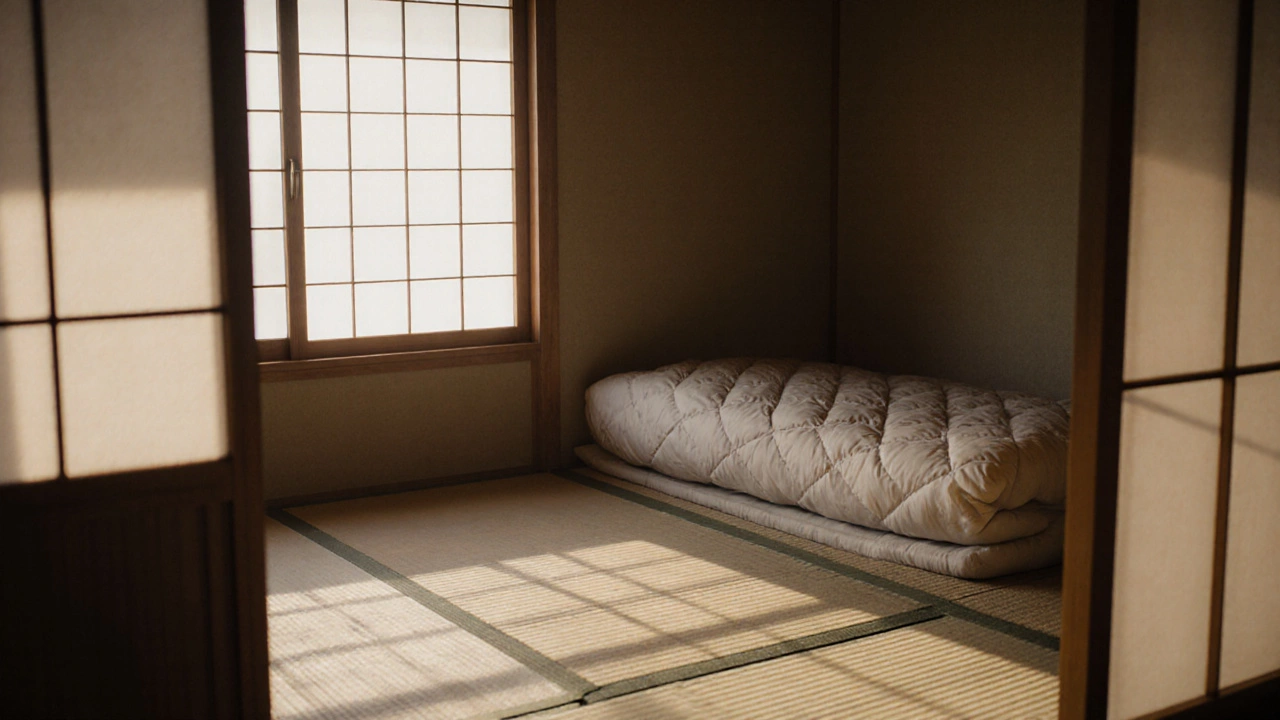
What Is Japanese Bedding? A Simple Guide to Futons, Tatami, and Low Sleeping
Japanese bedding means sleeping on a thin futon mattress on the floor, often over tatami mats. It’s space-saving, supports spinal alignment, and improves hygiene. Learn how it works and if it’s right for your home.
-
Quentin Melbourn
- 8 November 2025
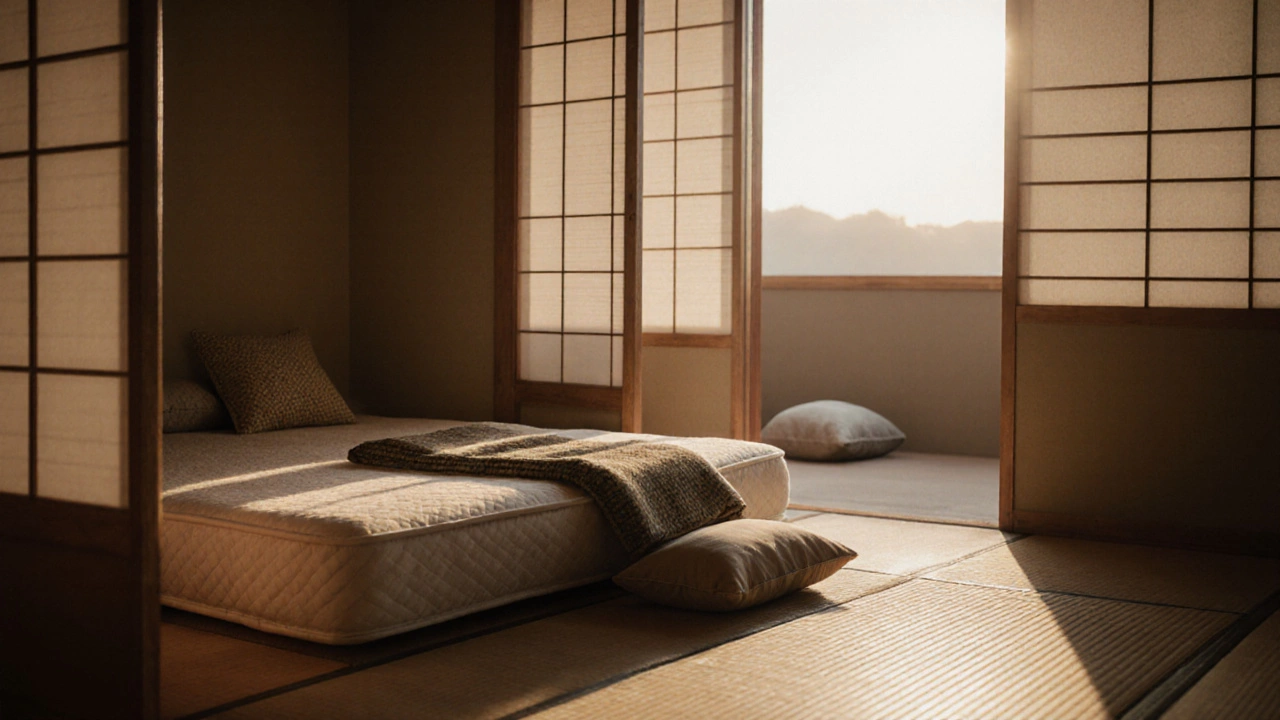
What Is Japanese Bedding? A Simple Guide to Futons, Tatami, and Minimalist Sleep
Japanese bedding is a minimalist sleep system using thin mattresses and quilts laid on the floor. It improves spinal alignment, saves space, and works well in small homes. Learn how it differs from sofa beds and how to start using it.
Categories

Tag Clouds