Sleeping in Recliner: What You Need to Know Before You Do It Every Night
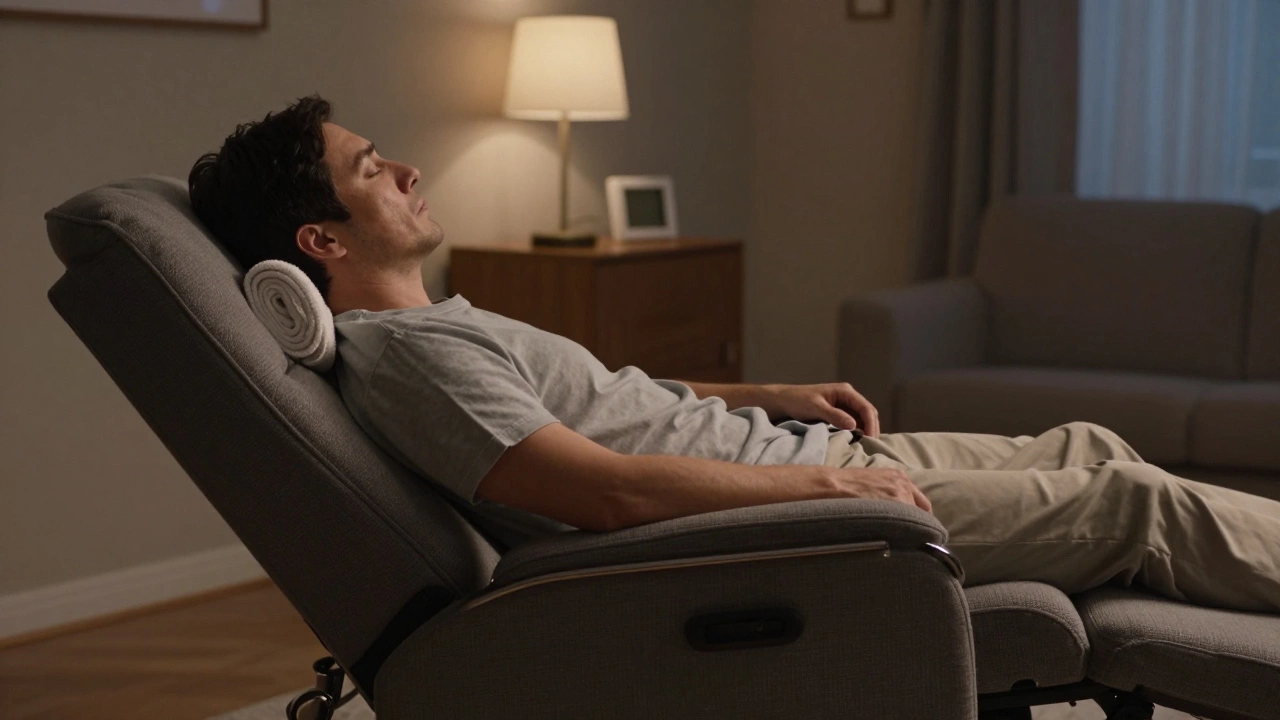
When you sleeping in recliner, using a reclining chair as your primary sleep surface. Also known as overnight recliner use, it’s become a common workaround for people with back pain, acid reflux, or sleep apnea. But just because it feels comfortable doesn’t mean it’s healthy long-term. Many people turn to recliners after a bad night on the mattress, thinking it’s a quick fix. But the truth is, your body wasn’t designed to sleep in a semi-upright position for hours. While it might help you fall asleep faster, it can mess with your spine, circulation, and sleep cycles over time.
recliner chair health, how prolonged use affects your muscles, joints, and nervous system is a real concern. Studies show that sleeping in a recliner can cause hip and knee stiffness, nerve compression in the legs, and even reduce deep sleep stages. If you’re doing it because of back pain relief, using a reclined position to ease spinal pressure, you’re not alone—many doctors recommend it temporarily for conditions like degenerative disc disease. But the key word here is temporary. Long-term use without proper support can make your spine weaker, not stronger. And if you’re sleeping in one because your bed is uncomfortable or you can’t afford a new one, there are better, more sustainable solutions.
The real issue isn’t the recliner itself—it’s what you’re using it to avoid. Are you avoiding a bad mattress? Poor bedroom ergonomics? Or maybe a sleep disorder that needs medical attention? The posts below dig into exactly this: why your legs ache after sitting in a recliner, whether Medicare covers lift chairs for seniors, how to stop elderly loved ones from sliding down, and what experts really think about making this a nightly habit. You’ll find practical fixes, surprising risks, and clear advice from people who’ve studied this stuff—not just opinion. Whether you’re using a recliner right now or thinking about it, this collection gives you the facts you need to decide if it’s helping or hurting your sleep.
-
Quentin Melbourn

- 4 December 2025
Can Sleeping in a Recliner Cause Back Problems?
Sleeping in a recliner can offer temporary relief for back pain or breathing issues, but doing it nightly may cause long-term spinal problems. Learn how to use it safely-or switch to a better solution.
Popular Posts


Categories
Tag Clouds