Sitting Posture: How Your Chair Position Affects Back Pain, Sleep, and Long-Term Health
When you sit, your sitting posture, the way your body aligns while seated. It's not just about comfort—it directly affects your spine, circulation, and even how well you sleep at night. Many people think if they’re not standing, they’re resting. But slouching in a recliner, sinking into a couch, or perching on a chair all day? That’s not rest. It’s strain. And over time, it adds up.
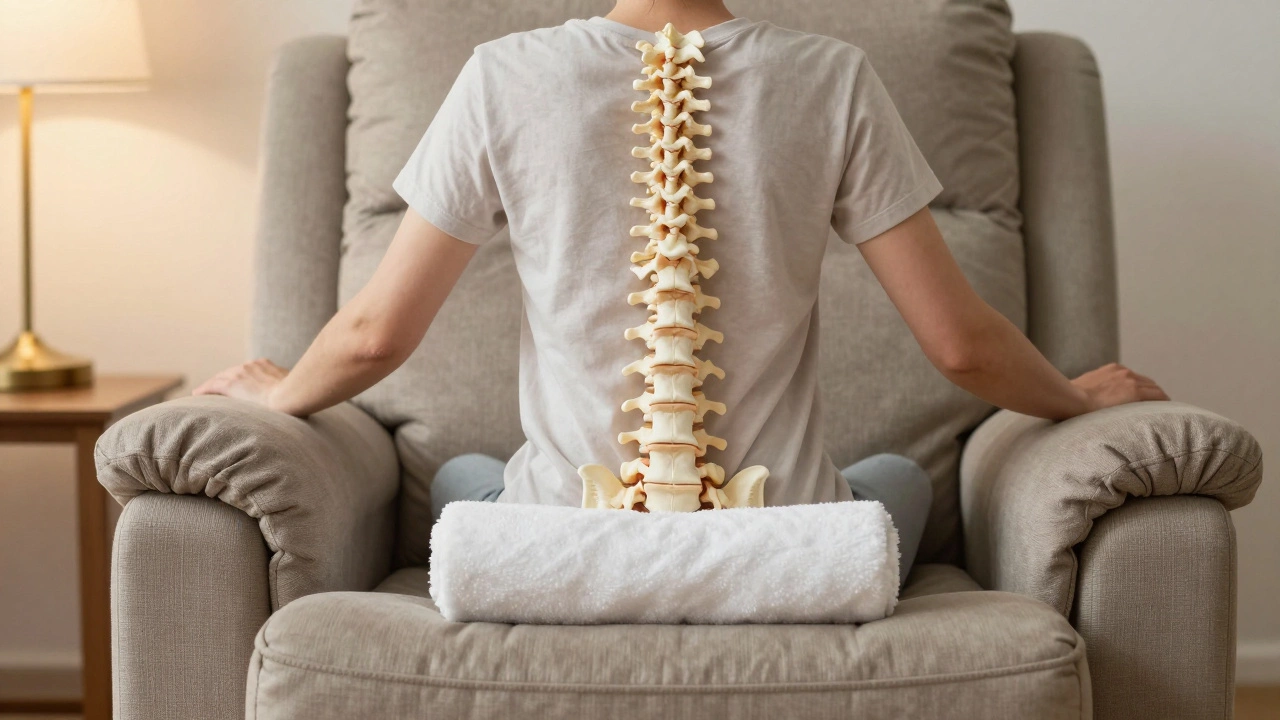
Your recliner chair health, how a recliner supports or harms your body during long use isn’t just about the chair’s brand or price. It’s about whether your hips, knees, and spine are aligned. If your legs ache after sitting, or you wake up stiff, it’s not aging—it’s posture. Experts say poor sitting posture is one of the top causes of chronic lower back pain, even for people who work out. And if you sleep in a recliner every night, you’re not just resting—you’re training your body to hold a position that’s unnatural for long-term spinal health.
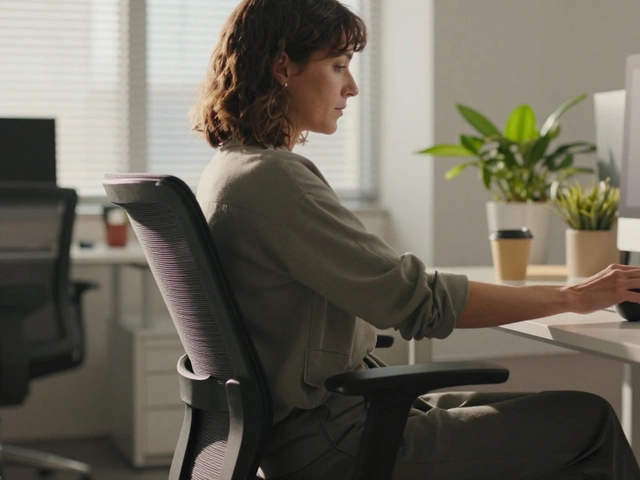
The problem doesn’t stop at your back. leg ache from recliner, pain caused by nerve pressure and restricted blood flow from improper seating is common but often ignored. It’s not normal for your legs to go numb or throb after sitting. That’s your sciatic nerve or hamstrings screaming for adjustment. And if you’re sitting all day at a desk, your heart’s paying the price too—studies show prolonged sitting increases risk of heart disease, even if you exercise afterward.
Good sitting posture isn’t about buying the most expensive chair. It’s about alignment: feet flat, knees level with hips, lower back supported, shoulders relaxed. It’s about moving every 30 minutes. It’s about knowing when a recliner helps—and when it’s making things worse. People with degenerative disc disease, reflux, or nerve issues often turn to recliners for relief. But without the right support, they end up trapped in a cycle of temporary comfort and long-term damage.
What you’ll find below isn’t a list of generic tips. It’s real stories from people who fixed their pain by changing how they sit. You’ll see how a $20 cushion stopped someone from sliding down in their recliner. How a simple footrest ended chronic leg pain. How switching from a couch to a properly adjusted chair improved sleep quality. These aren’t theories. They’re fixes people used—no surgery, no expensive gear, just smarter positioning.
-
Quentin Melbourn

- 4 December 2025
What Is the Healthiest Way to Sit in a Recliner?
Learn the healthiest way to sit in a recliner to avoid back pain, improve posture, and protect your spine. Simple adjustments make all the difference.
Popular Posts

Categories
Tag Clouds