Recliner Safety for Elderly: What You Need to Know Before Buying
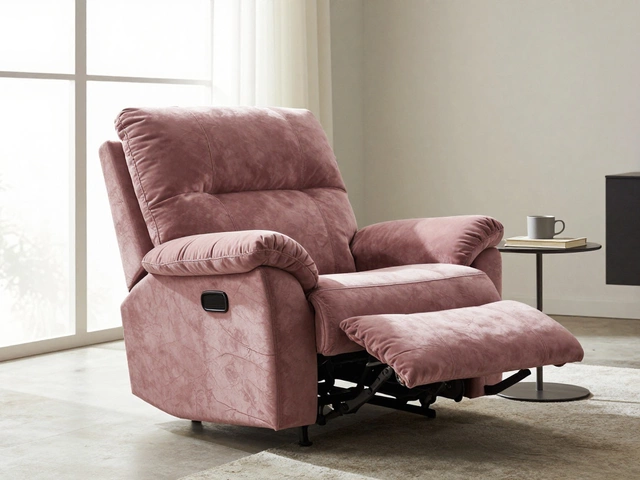
When it comes to recliner safety for elderly, a set of design and functional standards that ensure comfort, stability, and injury prevention for older adults. Also known as senior recliner, it isn’t just about soft padding—it’s about reducing fall risks, supporting weak joints, and making daily movements easier. Many families assume any recliner will do, but a poorly chosen one can lead to strains, pressure sores, or even dangerous falls when getting up. The right recliner doesn’t just sit in the corner—it becomes a lifeline.
lift chair, a type of recliner with motorized mechanisms that help users rise from a seated position is one of the most important tools for maintaining independence. Unlike standard recliners, lift chairs use a controlled, slow-motion lift to take pressure off knees, hips, and lower backs. This isn’t a luxury—it’s a necessity for seniors with arthritis, mobility issues, or recovering from surgery. Studies show that using a lift chair reduces emergency room visits related to falls by up to 40% in high-risk groups. And it’s not just about the lift. The frame must be wide enough to prevent tipping, the armrests thick enough to grip, and the upholstery non-slip to avoid sliding. These aren’t minor details—they’re safety features.
Then there’s elderly furniture, a category of home furnishings designed specifically for aging bodies with ergonomic support, easy access, and stability. A recliner doesn’t exist in isolation. It works with the room layout, floor surface, lighting, and nearby grab bars. A recliner with a footrest that doesn’t extend far enough can cause awkward twisting. A chair too low forces the user to push off with their arms, straining shoulders. Even the fabric matters—smooth leather might look nice, but it’s slippery when you’re trying to stand. The best setups combine a properly sized recliner with non-slip rugs, good lighting near the chair, and a clear path to the bathroom or kitchen.
You don’t need the most expensive model, but you do need the right features. Look for adjustable recline angles, firm cushioning (not sink-in foam), and a weight capacity that matches the user. Test it in person if you can—sit in it, recline it, and try to stand up slowly. Does it feel stable? Can you grip the arms without sliding? Does the footrest stop at a height that lets your feet rest flat? If the answer is no to any of these, keep looking. There are dozens of models on the market, but only a few that truly prioritize safety over style.
What you’ll find below are real guides from people who’ve been through this—parents, caregivers, and seniors themselves. They’ve tested chairs, compared brands, and shared what actually worked after months of use. You’ll see price breakdowns, red flags to avoid, and the one feature most experts agree on: if a recliner doesn’t help you stand up safely, it’s not worth having.

-
Quentin Melbourn

- 30 October 2025
How to Keep Elderly Loved Ones from Sliding Down in a Recliner
Learn simple, affordable ways to stop elderly loved ones from sliding down in recliners. Fix safety issues with cushions, non-slip mats, and chair adjustments-no expensive upgrades needed.
Popular Posts




Categories
Tag Clouds