Recliner Health Risks: What You Need to Know Before You Sit
When you sink into a recliner, a chair designed to lean back and support your legs and lower back. Also known as a lounger, it’s meant to help you relax—but used the wrong way, it can actually hurt your body. Many people think recliners are safe because they feel comfy, but that comfort can hide serious problems. Sitting in one for hours, especially with poor posture, puts pressure on your spine, squeezes nerves in your legs, and cuts off blood flow. It’s not just about sore muscles—it’s about long-term damage.
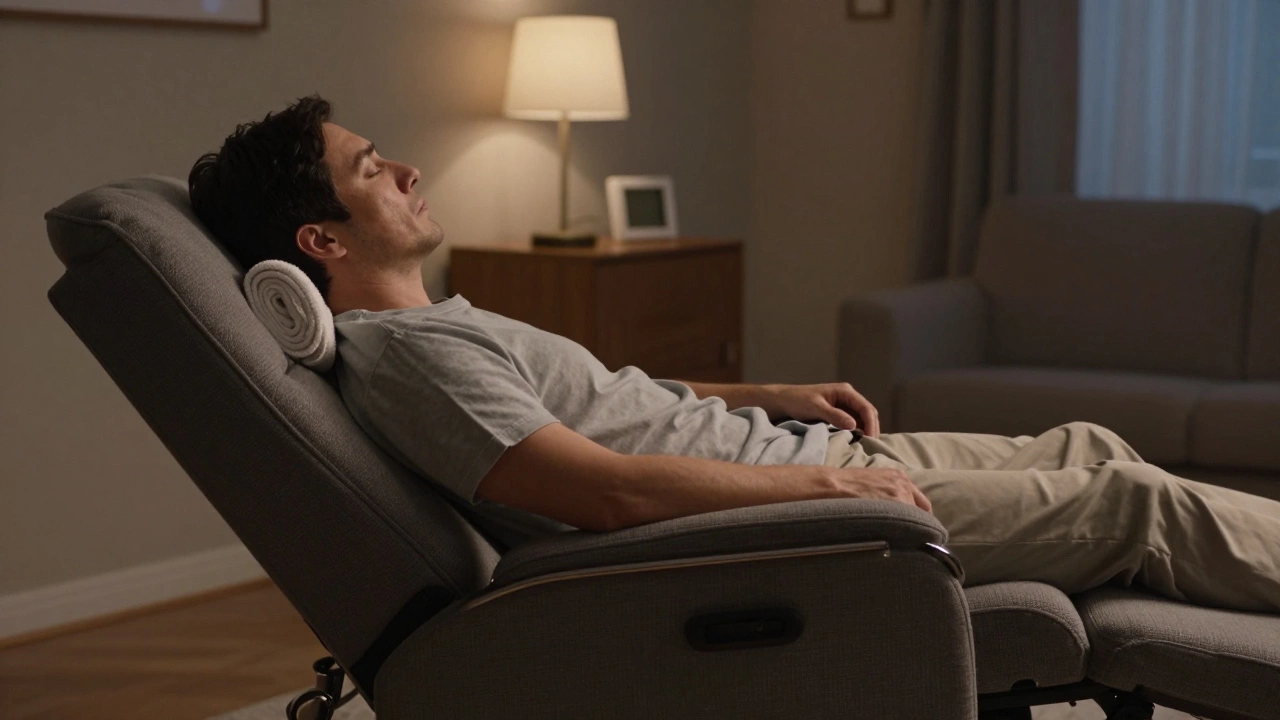
One of the biggest risks is sleeping in a recliner, using the chair as a substitute for a bed every night. While it might ease reflux or back pain at first, experts warn it can lead to stiff joints, misaligned hips, and worse sleep quality over time. Your body needs to lie flat to fully rest your spine, and recliners don’t let you do that. Then there’s leg pain from recliner, a common complaint caused by how your knees and calves are positioned. If your legs are bent too sharply or unsupported, it compresses the sciatic nerve and slows circulation. That’s why your legs ache, tingle, or go numb—not because you’re old, but because the chair is forcing your body into a bad position.
People with degenerative disc disease, a condition where spinal discs break down and cause chronic pain. often turn to recliners hoping for relief. And they can help—if chosen right. But too many pick any recliner and sit too low, which pushes the spine into a C-curve instead of its natural S-shape. That increases pressure on damaged discs. The right recliner has lumbar support, adjustable footrests, and lets you sit with your hips slightly higher than your knees. Without those features, you’re making things worse.
It’s not just about the chair. It’s about how you use it. Sliding down, propping your feet too high, or staying in one position for hours all add up. You don’t need to give up your recliner—but you do need to understand the trade-offs. The posts below break down exactly what’s happening when you sit, sleep, or lean back in one. You’ll find real fixes for leg pain, tips for safer overnight use, and what to look for if you’re buying a new one. No fluff. Just what works.
-
Quentin Melbourn

- 4 December 2025
Can Sleeping in a Recliner Cause Back Problems?
Sleeping in a recliner can offer temporary relief for back pain or breathing issues, but doing it nightly may cause long-term spinal problems. Learn how to use it safely-or switch to a better solution.
Popular Posts


Categories
Tag Clouds