Recliner Chair Sleep: Health Risks, Benefits, and What Experts Say
When you think of recliner chair sleep, the practice of using a reclining chair as a primary sleeping surface. Also known as overnight recliner use, it’s become more common among people with back pain, acid reflux, or mobility issues. But just because it feels comfortable doesn’t mean it’s healthy long-term.
Many people turn to recliners at night because they offer support that a regular bed doesn’t—especially if you struggle to get comfortable lying flat. For some, elevating the upper body helps with breathing or reduces heartburn. But recliner chair health, how your body responds to prolonged sitting in a reclined position isn’t just about comfort. It’s about alignment, circulation, and joint pressure. Sitting in a recliner all night can pinch nerves in your legs, stiffen your hips, and force your spine into an unnatural curve. Experts warn that while it might help short-term, using a recliner as your main bed can lead to chronic stiffness, poor sleep quality, and even nerve damage over time.
There’s also the issue of sleeping in recliner, the act of falling asleep and staying asleep in a chair designed for sitting, not lying. Unlike a mattress that conforms to your body, a recliner locks you into one position. That’s fine for an hour, but not for eight hours. Your body needs to shift, roll, and adjust during sleep to prevent pressure sores and keep blood flowing. Without that movement, you’re more likely to wake up sore, numb, or worse.
What’s surprising is how many people don’t realize they’re doing it. They fall asleep watching TV, wake up in the same chair, and think it’s fine because they didn’t fall on the floor. But if you’re doing this regularly, your body is paying a price. The good news? You don’t have to give up your recliner. You just need to know when it’s a temporary fix and when it’s a red flag.
This collection of posts dives into exactly that. You’ll find real advice from people who’ve tried sleeping in recliners, what experts say about long-term use, and how to spot the warning signs—like leg pain, joint stiffness, or disrupted sleep. We cover who should avoid it, who might benefit, and what alternatives actually work. Whether you’re using a recliner because of back pain, aging, or just because it feels better, you’ll find practical steps to protect your health without buying a new bed.
-
Quentin Melbourn

- 4 December 2025
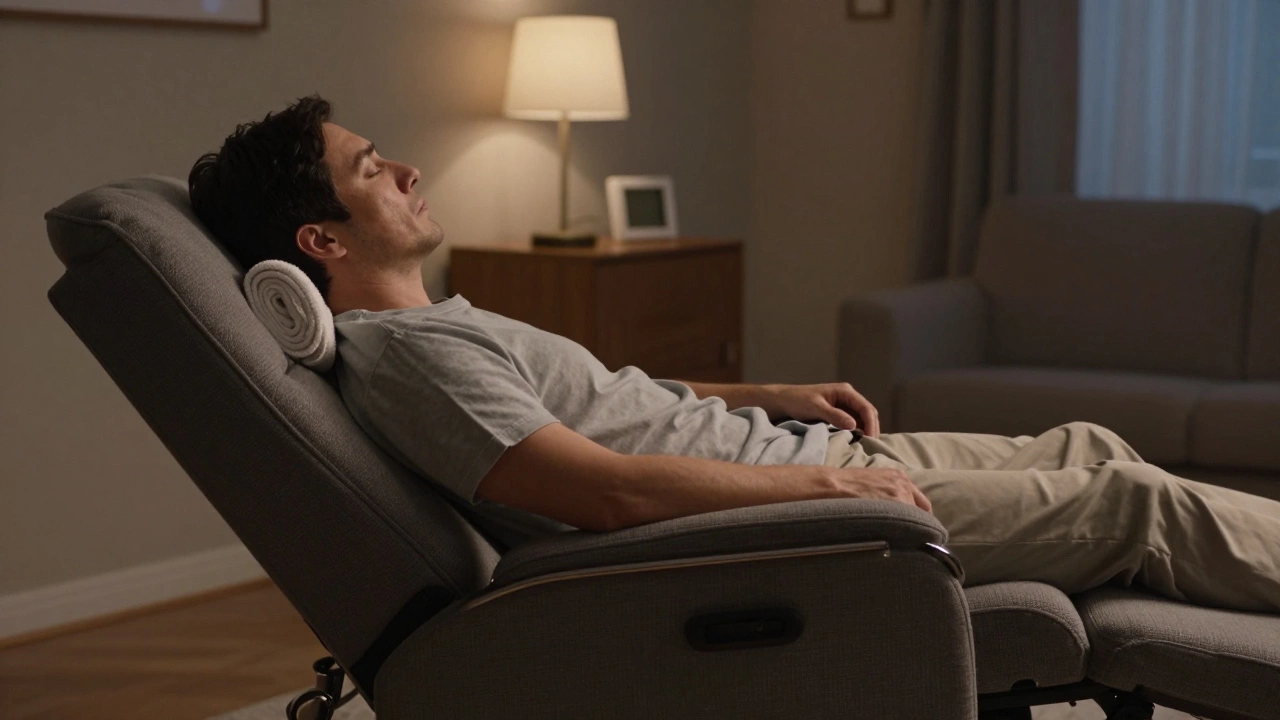
Can Sleeping in a Recliner Cause Back Problems?
Sleeping in a recliner can offer temporary relief for back pain or breathing issues, but doing it nightly may cause long-term spinal problems. Learn how to use it safely-or switch to a better solution.
Popular Posts


Categories
Tag Clouds