Minimalist Sleep: Simple Beds, Calmer Nights
When you think of minimalist sleep, a sleep style focused on reducing visual and physical clutter to improve rest quality. Also known as simple bedroom design, it’s not about empty rooms—it’s about removing what doesn’t serve your rest. If your bedroom feels like a storage closet, or you wake up feeling drained even after eight hours, the problem might not be your mattress. It’s the noise around it—the stuff you don’t need.
Minimalist sleep works because your brain doesn’t shut off when you lie down. Studies show that clutter increases cortisol, the stress hormone, even when you’re not consciously noticing it. A clean floor, a single nightstand, and a bed that doesn’t look like a laundry chute? That’s not decoration. That’s sleep hygiene. You don’t need a white wall, a Japanese futon, or a $2,000 bed to start. You just need to ask: does this thing help me sleep, or just take up space?
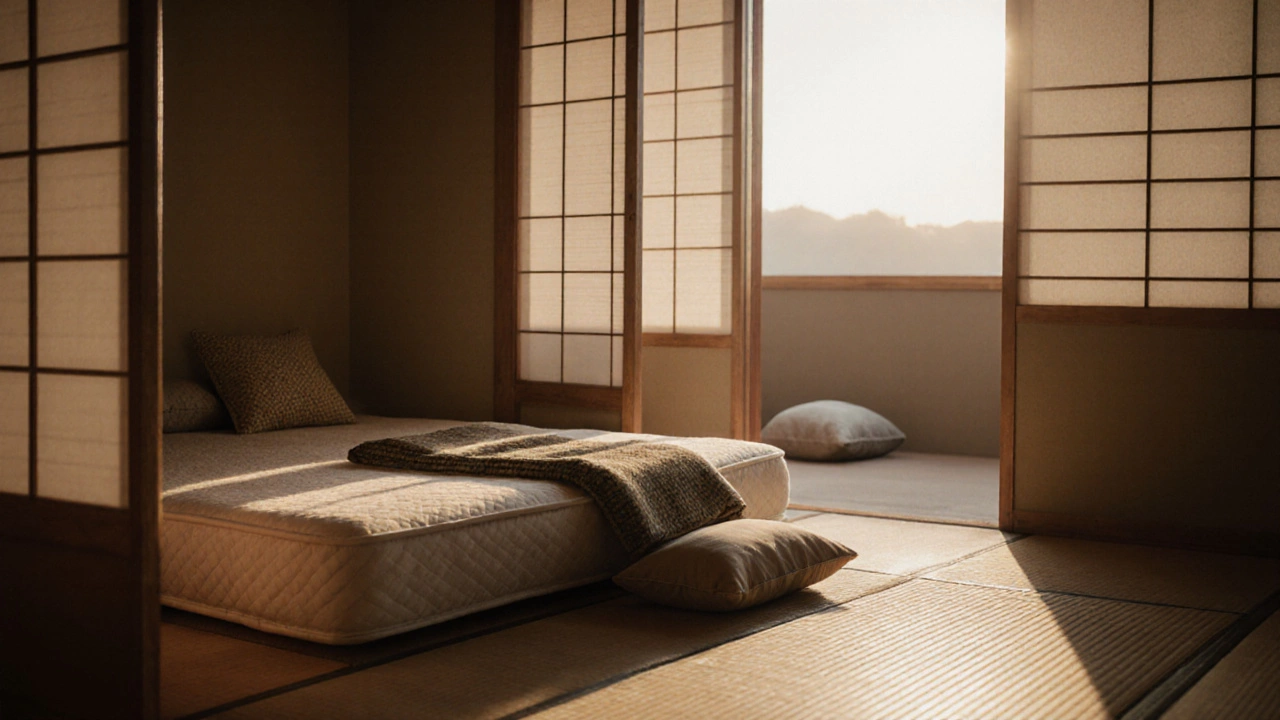
Related ideas like low-clutter bedroom, a sleeping space stripped of non-essential items to reduce mental distraction and calm sleep environment, a room designed to lower sensory input for deeper, uninterrupted rest aren’t trends. They’re fixes. Look at the posts below—some talk about Japanese bedding, which uses thin mattresses on the floor to keep things simple. Others cover how to pick furniture colors that don’t overwhelm the eyes. One even explains how to stop seniors from sliding in recliners—because if your chair’s falling apart, it’s not helping you rest. These aren’t random tips. They’re all part of the same goal: making your bedroom a place where your body knows it’s safe to relax.
What you’ll find here aren’t fancy decor ideas. They’re real, practical adjustments people made to finally sleep better. No magic tricks. No expensive upgrades. Just fewer things, better choices, and a room that finally feels like a place to rest—not a project waiting to be finished.
-
Quentin Melbourn

- 8 November 2025
What Is Japanese Bedding? A Simple Guide to Futons, Tatami, and Minimalist Sleep
Japanese bedding is a minimalist sleep system using thin mattresses and quilts laid on the floor. It improves spinal alignment, saves space, and works well in small homes. Learn how it differs from sofa beds and how to start using it.
Categories

Tag Clouds