Low Sleeping: What It Means and How to Get Better Rest
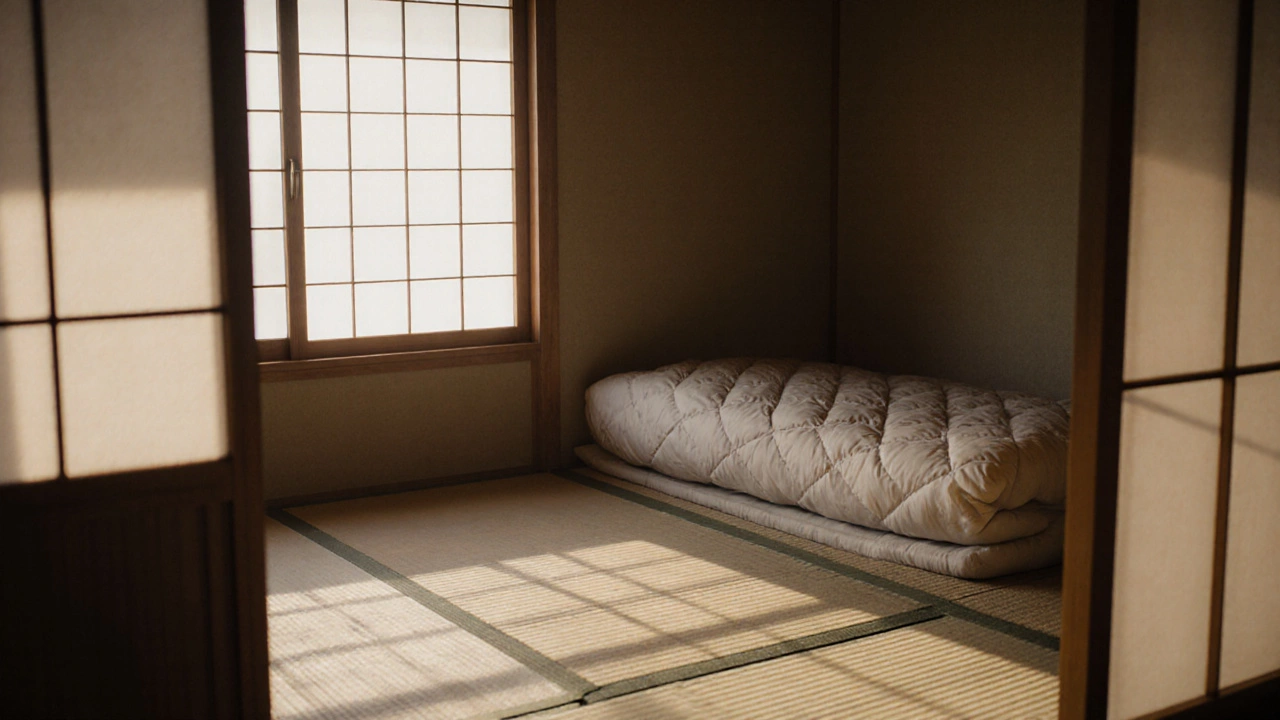
When people talk about low sleeping, a sleep style where the mattress or bedding is placed close to the floor, often without a traditional bed frame. Also known as floor sleeping, it’s not just a trend—it’s a practice used for centuries in cultures like Japan, where thin futons on tatami mats are standard. This approach isn’t about being poor or temporary—it’s intentional, and many swear it improves posture, reduces back pain, and creates a calmer sleep environment. If you’ve ever wondered why someone would sleep on the floor instead of a plush bed, the answer isn’t just about space or style. It’s about how your body connects with the ground.
minimalist sleep, a sleep philosophy focused on reducing clutter, unnecessary furniture, and excess padding to create a simpler, more grounded rest experience. Also known as Japanese bedding, it’s closely tied to low sleeping and has been studied for its impact on spinal alignment. Unlike memory foam or spring mattresses that sink and cradle, a thin mattress on the floor offers firm, even support. That’s why people with chronic back issues or degenerative disc disease often find relief—there’s less pressure on the spine, and your body doesn’t sink into uneven contours. You’re not just sleeping lower—you’re sleeping smarter. This isn’t just for tiny apartments or minimalists. It’s for anyone who wakes up stiff, sore, or tired. The right setup can make a real difference.
Low sleeping doesn’t mean sleeping on concrete. It means choosing the right surface—whether that’s a tatami mat, a foam pad, or even a thin mattress on a wooden platform. It’s about control: you decide how firm, how cool, how quiet your sleep space is. And because it removes bulky bed frames and headboards, it opens up room for better airflow, easier cleaning, and a more grounded feeling at night.
Some worry it’s too hard, too cold, or too impractical. But if you’ve ever tried sleeping on a hotel floor during a trip and felt how much more rested you were the next day, you already know the power of this approach. It’s not about discomfort—it’s about alignment. It’s not about sacrifice—it’s about simplicity.
In the posts below, you’ll find real-world guides on how to start low sleeping safely, what materials work best, how to avoid common mistakes, and why this method is gaining traction among seniors, back pain sufferers, and minimalist lifestyles alike. You’ll see how it connects to Japanese bedding, what kind of cushions or mats make it comfortable, and how to adjust your routine for better results. No fluff. Just clear, practical advice from people who’ve tried it—and stuck with it.
-
Quentin Melbourn

- 8 November 2025
What Is Japanese Bedding? A Simple Guide to Futons, Tatami, and Low Sleeping
Japanese bedding means sleeping on a thin futon mattress on the floor, often over tatami mats. It’s space-saving, supports spinal alignment, and improves hygiene. Learn how it works and if it’s right for your home.
Categories

Tag Clouds