Japanese Sleep Style: Minimalist Beds, Natural Materials, and Better Rest
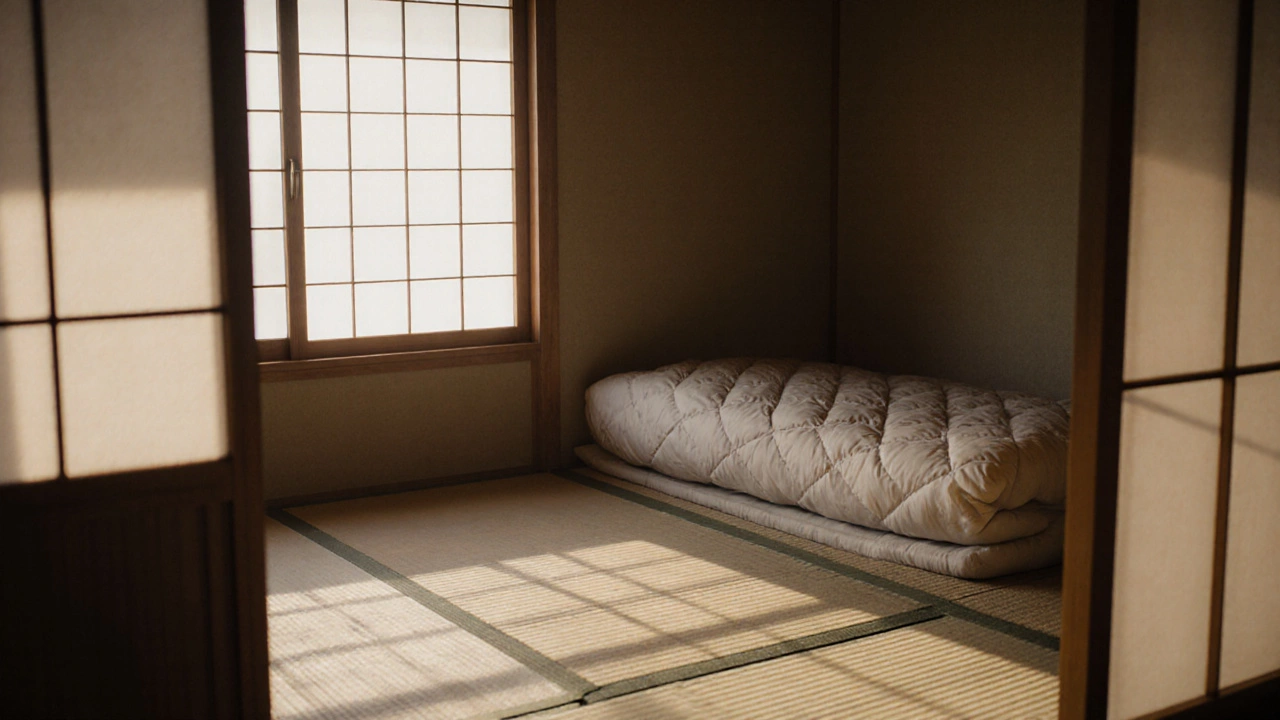
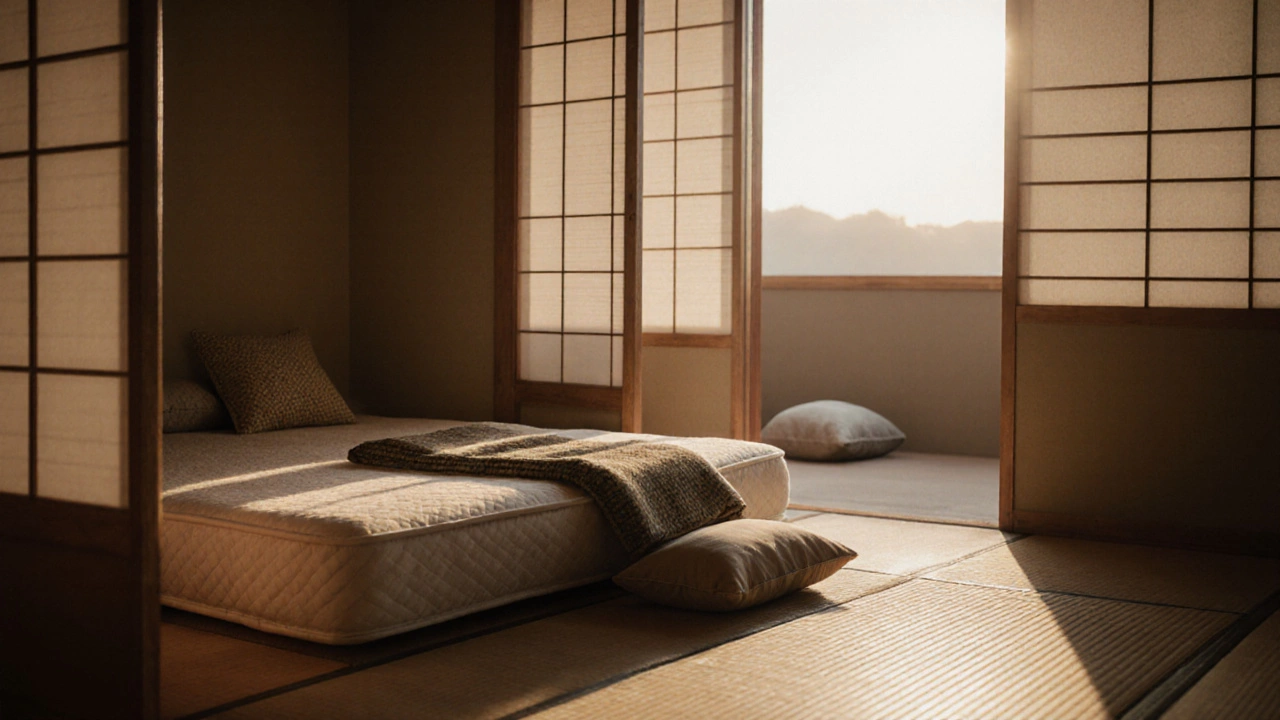
When you think about Japanese sleep style, a traditional approach to resting that prioritizes simplicity, alignment with nature, and spinal health. Also known as shikibuton sleeping, it’s not just about where you sleep—it’s about how you live with your bed. Unlike Western beds with thick mattresses and high frames, the Japanese sleep style uses thin, flat mattresses called tatami mats, woven straw mats traditionally used as flooring in Japanese homes, often paired with futons for sleeping and futons, thin, foldable mattresses placed directly on the floor for sleeping, designed to be aired daily and stored away during the day. This isn’t just a trend—it’s a system built over centuries to support natural posture, airflow, and calm.
The core idea? Less is more. A low bed, a sleeping surface placed close to the ground, typically under 12 inches high, to encourage grounding and reduce visual clutter removes the feeling of being trapped in a box. No headboard. No bulky frame. Just a flat surface that lets your body sink in just enough to relax, without sinking too far. This setup encourages your spine to stay neutral, which is why many people report fewer back issues after switching. The air circulates better under the mattress, keeping it dry and cool—no musty smells, no trapped humidity. And because the bedding is stored away each morning, your bedroom stays open, clean, and quiet. It’s not about minimalism for looks—it’s about minimalism for rest.
You won’t find electric blankets or memory foam here. Instead, natural fibers like cotton, hemp, and wool are used for bedding. These materials breathe, wick moisture, and age gracefully. The room itself stays simple: light wood floors, muted tones, no clutter on the walls. This isn’t a style you buy—it’s a habit you build. It works because it removes distractions. No TV. No charging cables. No piles of clothes. Just you, your mat, and the quiet. People who try it often say they sleep deeper, wake up less, and feel more grounded. It’s not magic. It’s physics, biology, and centuries of observation.
Below, you’ll find real guides on what works—like how to pick the right mattress thickness, why low furniture helps with circulation, and how to turn your bedroom into a true rest zone without spending a fortune. Some posts talk about Japanese sleep style directly. Others show you how to borrow its principles—even if you’re not ready to sleep on the floor. Whether you’re dealing with back pain, poor sleep, or just a cluttered room, these ideas give you practical ways to reset your rest.
-
Quentin Melbourn

- 8 November 2025
What Is Japanese Bedding? A Simple Guide to Futons, Tatami, and Low Sleeping
Japanese bedding means sleeping on a thin futon mattress on the floor, often over tatami mats. It’s space-saving, supports spinal alignment, and improves hygiene. Learn how it works and if it’s right for your home.
-
Quentin Melbourn
- 8 November 2025
What Is Japanese Bedding? A Simple Guide to Futons, Tatami, and Minimalist Sleep
Japanese bedding is a minimalist sleep system using thin mattresses and quilts laid on the floor. It improves spinal alignment, saves space, and works well in small homes. Learn how it differs from sofa beds and how to start using it.
Categories

Tag Clouds