Japanese Bedding: Simple, Serene, and Smart Sleep Solutions
When you think of Japanese bedding, a traditional, low-to-the-ground sleep system designed for minimalism and comfort. Also known as futon bedding, it’s not just about style—it’s a whole different way of thinking about sleep. Unlike Western beds with thick mattresses and heavy frames, Japanese bedding sits directly on the floor, using thin, foldable mattresses called futon mattresses, cotton or foam-filled pads designed to be aired out daily, paired with lightweight quilts and pillows. This system isn’t tied to luxury—it’s tied to space, airflow, and rhythm. It works because it’s simple, not because it’s fancy.
What makes futon mattresses, cotton or foam-filled pads designed to be aired out daily so effective? They let air move under and around your body, reducing dampness and heat buildup. That’s why they’re popular in humid climates and why people with back pain often find relief—there’s no sink-in effect, just even, firm support. Pair that with a tatami mat, woven straw floor mat traditionally used in Japanese homes to provide a natural, breathable base underneath, and you’ve got a sleep surface that stays dry, cool, and clean. This setup doesn’t need a bed frame, box spring, or headboard. It just needs a clean floor and 10 minutes a day to fold and store. That’s the magic: it’s not about owning more—it’s about using less.
People who switch to Japanese bedding aren’t just chasing trends. They’re tired of cluttered bedrooms, stiff backs from memory foam, and the hassle of moving heavy furniture. They want a system that fits small apartments, helps them wake up feeling refreshed, and doesn’t require a closet full of linens. And it’s not just for tiny spaces—many families in East Yorkshire are using this style to create calm, clutter-free bedrooms that feel like a true escape. You don’t need to live in Tokyo to benefit from it. All you need is the willingness to sleep lower, simpler, and smarter.
Below, you’ll find real advice from people who’ve made the switch—from how to choose the right thickness for your futon mattress, to why a tatami mat isn’t just for decoration, to how to keep your bedding fresh without a washing machine. You’ll see what works, what doesn’t, and how to make this ancient style fit modern life—without sacrificing comfort.
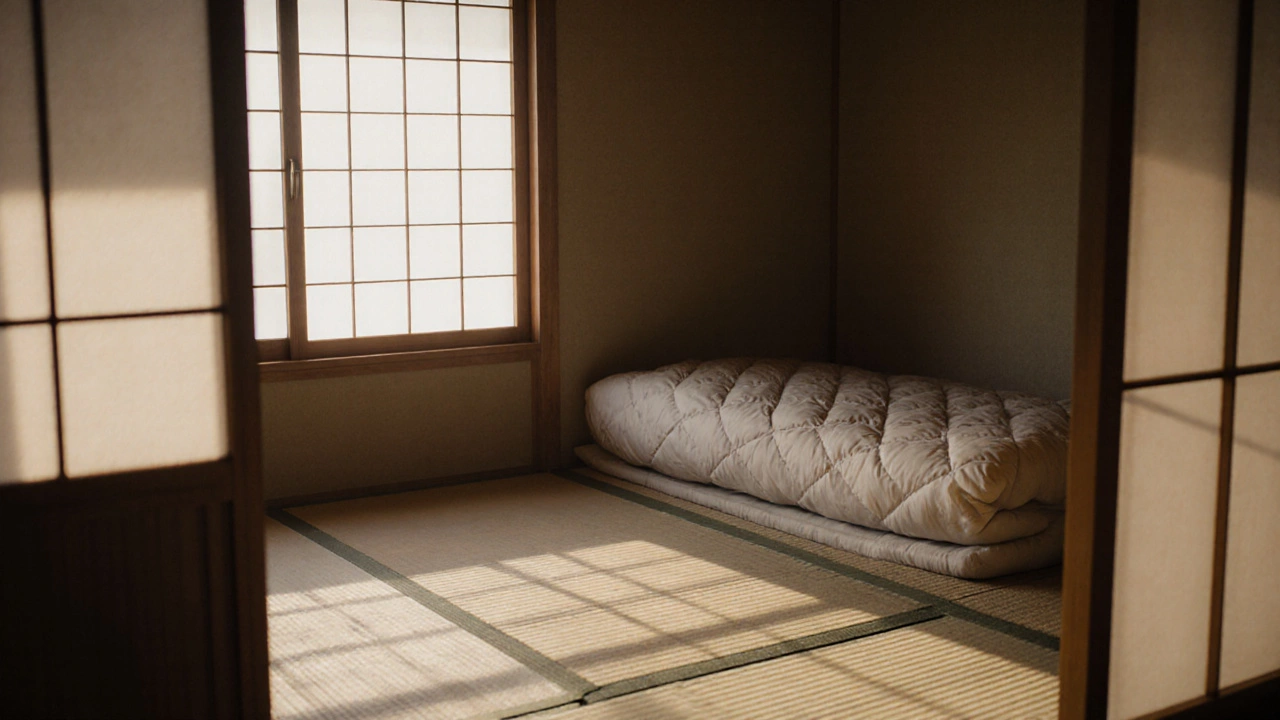
-
Quentin Melbourn

- 8 November 2025
What Is Japanese Bedding? A Simple Guide to Futons, Tatami, and Low Sleeping
Japanese bedding means sleeping on a thin futon mattress on the floor, often over tatami mats. It’s space-saving, supports spinal alignment, and improves hygiene. Learn how it works and if it’s right for your home.
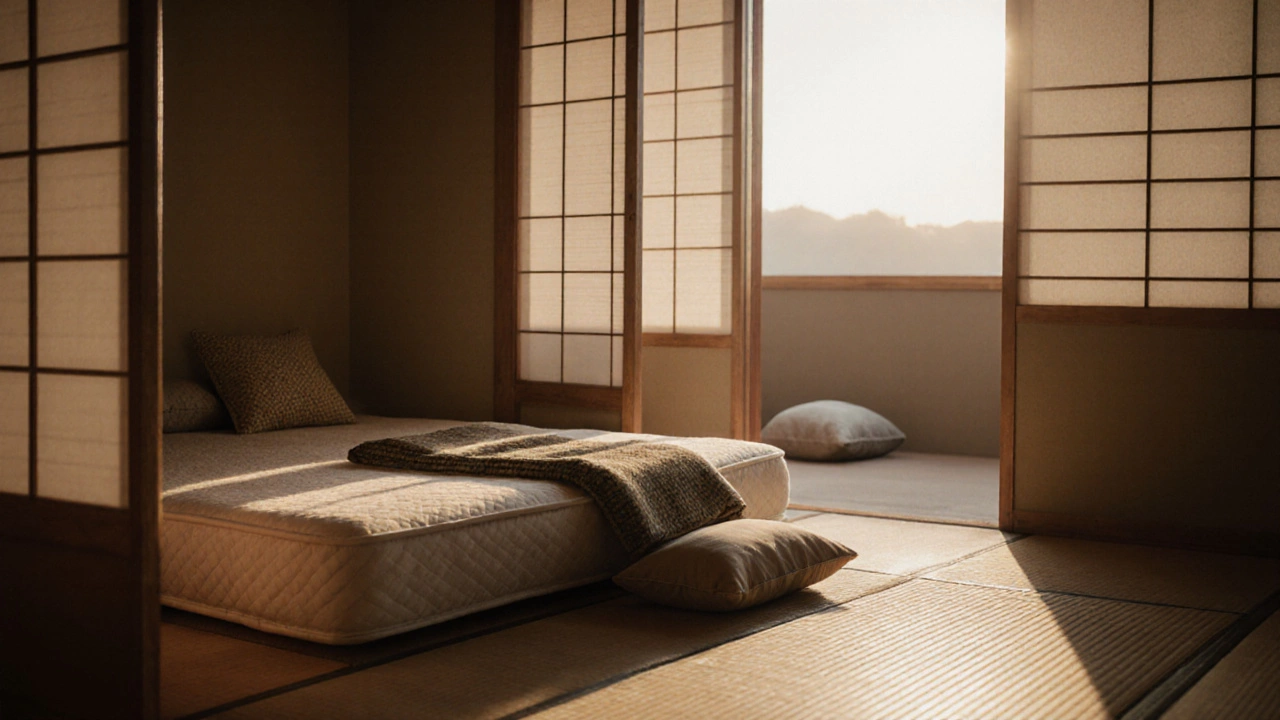
-
Quentin Melbourn
- 8 November 2025
What Is Japanese Bedding? A Simple Guide to Futons, Tatami, and Minimalist Sleep
Japanese bedding is a minimalist sleep system using thin mattresses and quilts laid on the floor. It improves spinal alignment, saves space, and works well in small homes. Learn how it differs from sofa beds and how to start using it.
Categories

Tag Clouds