Heavy Bookcase Mounting
When tackling heavy bookcase mounting, the process of securely attaching a large, weight‑bearing bookcase to a wall. Also known as secure shelf installation, it demands the right tools and techniques to keep both the furniture and your walls safe. A sturdy bookcase isn’t just about looks; it holds books, décor, and sometimes even a TV. If the mounting job is done wrong, you risk cracked drywall, falling shelves, and costly repairs. That’s why understanding the key components—like wall anchors, metal or plastic inserts that spread load inside drywall or plaster—is essential before you drill the first hole.
Key Tools and Steps for a Rock‑Solid Install
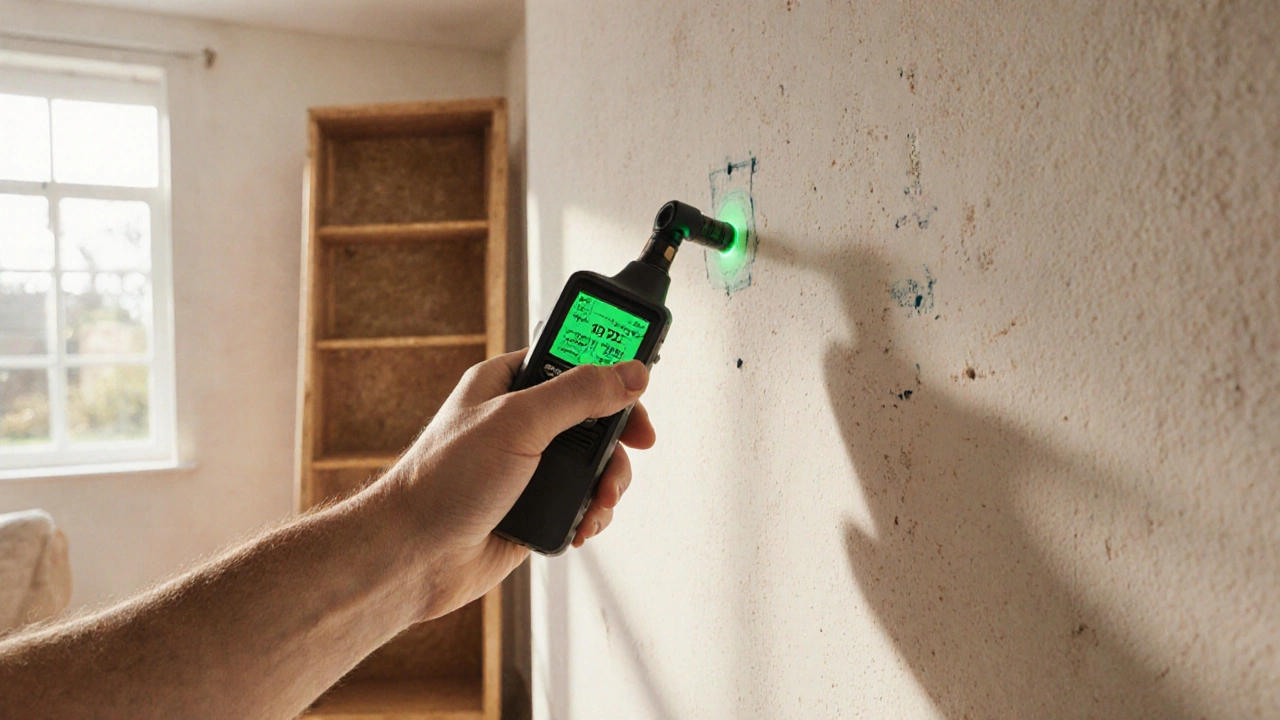
First, locate the studs. A stud finder, a handheld device that detects wood or metal framing behind the wall surface helps you target the strongest points. Mounting directly into studs gives the bookcase a load‑bearing base that wall anchors alone can’t provide for very heavy units. Once you’ve mapped the stud locations, measure the bookcase width and mark the drilling points at equal intervals—usually every 16 inches if you’re working with standard 2×4 framing.
Next, choose the right shelf brackets, reinforced metal supports designed to hold the weight of a full bookcase. Heavy‑duty brackets often come with pre‑drilled holes that match standard stud spacing, making alignment easier. If your wall is drywall without studs, opt for toggle or molly wall anchors rated for at least 50 lb per anchor. Remember the rule: the total weight of the bookcase should be spread across multiple anchors or brackets to avoid concentrating stress on a single point.
When you’re ready to drill, use a bit slightly smaller than the anchor’s shank to ensure a snug fit. Insert the anchor, then tap it gently with a hammer until it sits flush with the wall surface. Screw the bracket into the anchor or stud, tightening just enough to hold firm without crushing the drywall. After all brackets are secured, lift the bookcase onto them, check for level, and add any final screws that lock the unit to the brackets. A quick sanity check—push gently on the top shelf; there should be no wobble.
Beyond the hardware, consider the environment. Heavy bookcases in humid basements may need moisture‑resistant brackets, while those in high‑traffic rooms benefit from reinforcement brackets at the top and bottom. If you plan to add lighting or cable management, drill additional holes after the main mounting is complete, using appropriate grommets to protect wires.
Following these steps not only protects your walls but also extends the life of the furniture. A well‑mounted bookcase can handle years of use, heavy additions, and even the occasional accidental bump without compromising safety. The process combines practical know‑how—stud detection, anchor selection, bracket placement—and a bit of patience, but the payoff is a sturdy, reliable storage piece that looks great.
Below you’ll find a curated list of articles covering everything from safe storage practices and pest‑free furniture to smart DIY fixes for household items. Dive in for deeper insights that complement the heavy bookcase mounting basics you’ve just learned.
-
Quentin Melbourn

- 22 October 2025
Best Anchor for a Bookcase: How to Choose the Right One
Learn how to pick and install the best anchor for your bookcase, avoid common mistakes, and keep heavy shelves safe on any wall type.
Popular Posts






Categories
Tag Clouds