Healthiest Way to Sit in a Recliner
When you sit in a recliner, a chair designed to tilt back and support your legs and lower back. Also known as a reclining chair, it’s meant for comfort—but not all ways of using it are good for your body. Many people turn to recliners for relief from back pain, sciatica, or sleep issues, but sitting wrong in one can make things worse. The healthiest way to sit in a recliner isn’t just about leaning back—it’s about how your spine, hips, and legs are aligned.
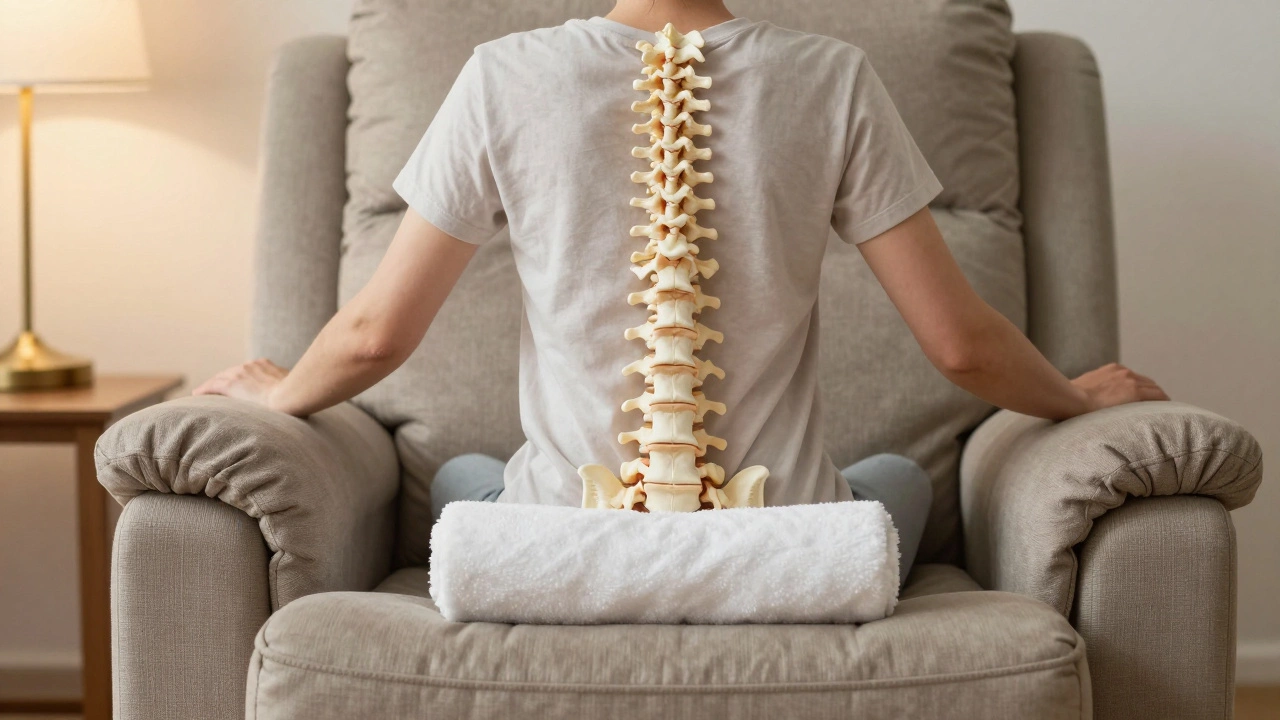
Your spinal alignment, the natural curve of your back from neck to tailbone matters more than you think. If your recliner doesn’t support your lower back, your spine flattens out, putting pressure on discs and muscles. This is why people wake up with stiff backs or leg pain after sitting too long. A good recliner should let your knees be slightly higher than your hips, your feet flat on the footrest, and your head supported without jutting forward. The lumbar support, the curve built into the chair that matches the natural dip in your lower back needs to fit snugly—no gaps, no slouching.
People with degenerative disc disease, a condition where spinal discs wear down and cause pain often find temporary relief in recliners—but only if the chair has adjustable recline, proper cushioning, and a footrest that lifts the legs enough to take pressure off the spine. Sitting too upright defeats the purpose. Slumping too far back creates new problems. It’s a balance. And if your legs ache or go numb, that’s not normal—it’s a sign your nerves are compressed, often from the edge of the seat pressing into your thighs.
You don’t need a $2,000 chair to sit right. You need the right setup. Adjust the recline angle so you’re not leaning too far back—around 135 degrees is often ideal. Use a small pillow behind your lower back if the chair doesn’t support it. Keep your feet supported, not dangling. And don’t sit for hours without moving. Even the best recliner becomes a problem if you stay in it too long. The key isn’t the chair—it’s how you use it.
What you’ll find below are real answers from people who’ve dealt with recliner pain, experts who’ve studied posture, and practical fixes that cost little but make a big difference. Whether you’re using one for sleep, recovery, or just relaxing, these posts show you exactly how to make your recliner work for your body—not against it.
-
Quentin Melbourn

- 4 December 2025
What Is the Healthiest Way to Sit in a Recliner?
Learn the healthiest way to sit in a recliner to avoid back pain, improve posture, and protect your spine. Simple adjustments make all the difference.
Popular Posts

Categories
Tag Clouds