Futon Mattress: What It Is, How It Works, and What to Look For
When you hear futon mattress, a thin, foldable mattress designed for use on a frame that doubles as a sofa or bed. Also known as Japanese sofa bed mattress, it’s not just a cheap alternative—it’s a smart solution for rooms that need to do more with less. Unlike thick memory foam or spring mattresses, a futon mattress is built to be folded, rolled, and moved without losing shape. It’s the kind of thing you see in small apartments, dorm rooms, or guest spaces where every square foot counts.
It’s often paired with a futon sofa bed, a frame that converts from seating to sleeping with a simple pull or fold. This setup isn’t just for students or renters. Many homeowners use it in home offices, sunrooms, or even as a primary bed in tiny homes. The key difference from a regular sofa bed? Futon mattresses are usually firmer, thinner, and made to handle daily folding. They’re not meant to be plush—they’re meant to be practical.
What makes a good one? Look for the fill. Cotton and wool blends give you breathability and natural support. Polyester fills are cheaper but can flatten fast. If you’re using it every night, go for at least 6 inches of thickness and a high-density core. Avoid anything that feels too springy or spongy—that’s a sign it won’t hold up over time. And don’t forget the cover. Removable, machine-washable cotton covers make cleaning way easier than dealing with stained foam.
People often think futon mattresses are only for temporary use, but that’s not true. With the right one, you can sleep on it for years without back pain. The trick is matching the firmness to your body. Side sleepers need a bit more cushioning than back or stomach sleepers. And if you’re using it in a room that’s cold in winter, go for wool—it naturally regulates temperature better than synthetic fibers.
It’s also worth noting that a futon mattress isn’t the same as a space saving mattress, a general term for any thin, compact mattress designed for tight spaces. Not all space-saving mattresses are designed to fold. A true futon mattress is engineered for movement—hinges, frames, and daily transitions are built into its purpose.
You’ll find plenty of advice online about how to pick one, but most of it misses the point. It’s not about price. It’s about how it feels after a week of use. Try sitting on it like a couch first—if it sags too much under your weight, skip it. Then lie down on it like a bed. If your hips sink too far and your spine feels out of alignment, it’s not right for you. The best ones feel solid but not hard, supportive but not stiff.
And if you’re thinking about buying one for a guest room, remember: it’s not just about comfort. It’s about how easy it is to put away. A heavy, bulky futon mattress that’s hard to lift or fold defeats the whole purpose. Look for models with handles or lighter materials. Some even come with built-in wheels for sliding under a sofa when not in use.
There’s a reason these mattresses are still popular in Japan, and why they’ve made a comeback in modern homes. They’re not trendy—they’re functional. You don’t need a big bedroom to have a good night’s sleep. You just need the right mattress for the job.
Below, you’ll find real-world guides on what to look for, how to maintain one, and how to pair it with the right frame—whether you’re upgrading a tiny apartment or just need a better guest bed.
-
Quentin Melbourn

- 8 November 2025
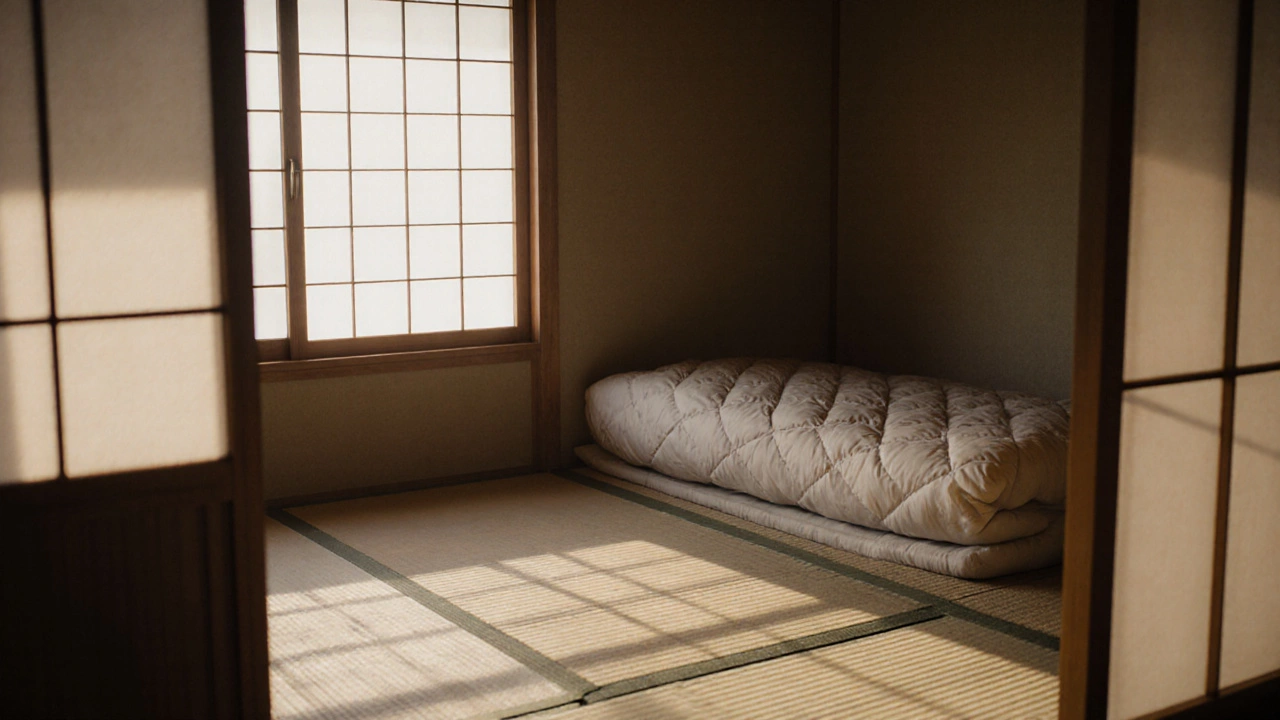
What Is Japanese Bedding? A Simple Guide to Futons, Tatami, and Low Sleeping
Japanese bedding means sleeping on a thin futon mattress on the floor, often over tatami mats. It’s space-saving, supports spinal alignment, and improves hygiene. Learn how it works and if it’s right for your home.
-
Quentin Melbourn
- 8 November 2025
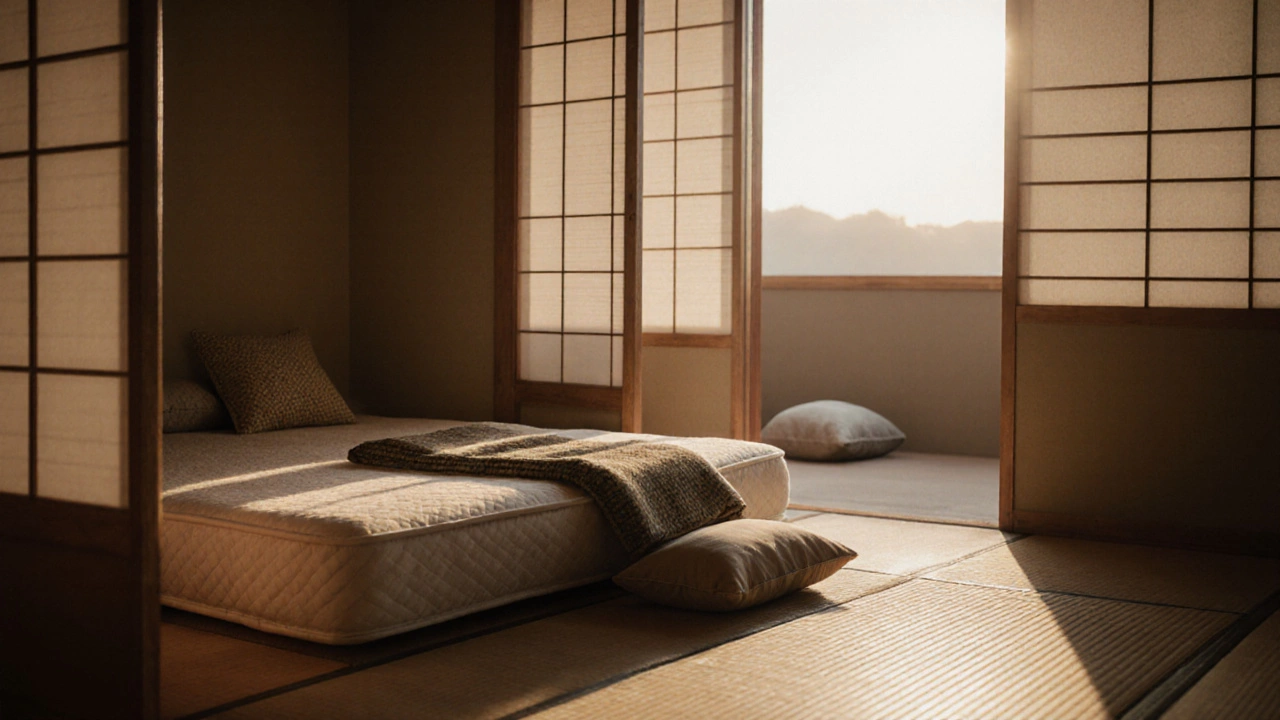
What Is Japanese Bedding? A Simple Guide to Futons, Tatami, and Minimalist Sleep
Japanese bedding is a minimalist sleep system using thin mattresses and quilts laid on the floor. It improves spinal alignment, saves space, and works well in small homes. Learn how it differs from sofa beds and how to start using it.
Categories

Tag Clouds