Degenerative Disc Disease: What It Is and How Furniture Choices Affect Your Comfort
When your spine starts to ache after sitting too long, it’s not just "getting older." It could be degenerative disc disease, a condition where the cushions between your vertebrae wear down, causing pain, stiffness, and sometimes nerve pressure. Also known as spinal disc degeneration, it’s one of the most common reasons people over 40 struggle with back pain—especially when sitting on the wrong chair or sleeping on the wrong mattress. This isn’t something that just happens overnight. It builds up from years of poor posture, heavy lifting, or sitting in furniture that doesn’t support your spine properly.
What most people don’t realize is that your ergonomic furniture, including chairs, beds, and even sofas plays a huge role in how fast or slow this condition progresses. A recliner that lets you slump? It’s making your discs work harder. A bed that’s too soft? It’s letting your spine sink out of alignment. And a couch that’s too low? It forces you to hunch just to stand up. These aren’t minor annoyances—they’re daily stressors on your spine. On the flip side, the right furniture can reduce pressure on your discs, improve your posture, and even help you sleep better without pain.
People with degenerative disc disease often find relief not by changing their meds, but by changing their furniture. That’s why so many of the posts below focus on practical fixes: how to stop sliding in a recliner, what makes a senior recliner actually helpful, how to pick a couch that doesn’t wreck your back, and even how sleeping on a thin futon can support spinal alignment better than a thick memory foam mattress. These aren’t guesses—they’re real-world solutions people are using right now.
There’s no magic cure for degenerative disc disease, but you can control how much it controls you. The right chair, the right bed, the right way to sit or lie down—these things matter more than you think. Below, you’ll find real guides on furniture that supports your spine, tips to avoid pain triggers, and simple adjustments that cost little but make a big difference. No fluff. No jargon. Just what actually works when your back is screaming for relief.

-
Quentin Melbourn

- 11 November 2025
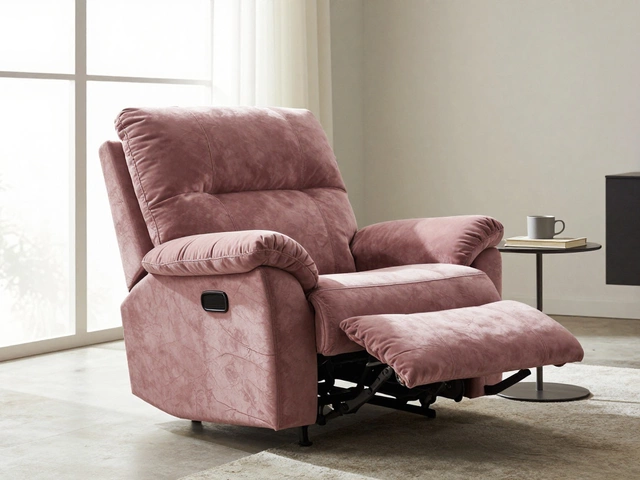
Are Recliners Bad for Degenerative Disc Disease? What Experts Say
Recliners aren't automatically bad for degenerative disc disease-when chosen and used correctly, they can reduce spinal pressure and ease pain. Learn what features to look for and how to avoid common mistakes.
Popular Posts




Categories
Tag Clouds