Bookcase Painting: How to Refresh Your Shelves with Confidence
When you bookcase painting, the process of refinishing wooden or laminate bookshelves with paint to update their look. Also known as furniture painting, it’s one of the most cost-effective ways to breathe new life into old storage pieces without replacing them. You don’t need to buy a new bookcase just because the color’s outdated or the finish is worn. A fresh coat of paint can turn a dull, dated shelf into the centerpiece of your room—especially if you’re working with a space that doesn’t have room for big furniture swaps.
But not all bookcases are made the same. A solid wood bookcase from the 80s? That’s prime for painting. A cheap particleboard shelf from a big-box store? That needs the right prep or it’ll peel in six months. The key is understanding what you’re working with. furniture painting, the broader practice of applying paint to household storage and seating pieces isn’t just about color—it’s about surface prep, primer choice, and the right brush or roller. Skip the primer on glossy laminate, and you’re asking for chipping. Use the wrong paint on a high-touch shelf, and your books will leave smudges.
Then there’s the bookcase finish, the final surface treatment—paint, stain, or sealant—that determines durability and look. A matte white paint looks clean but shows fingerprints. A satin finish hides minor flaws and wipes clean easily. And if you’re going for that modern, high-end look? Many people skip the traditional white and go for deep navy, sage green, or even black. It’s not just about matching your walls—it’s about making the bookcase feel intentional, not just functional.
People often ask, "Can I paint over my existing finish?" The answer’s usually yes—but only if you sand it down first. Glossy surfaces don’t hold paint. Dust, grease, and old wax? They’ll ruin your bond. That’s why most successful bookcase painting jobs start with sandpaper, a tack cloth, and a good primer. You don’t need fancy tools. A foam roller for flat surfaces, a angled brush for edges, and patience are all you need.
And it’s not just about looks. Painting a bookcase can fix damage too. Scratches? Fill them with wood putty. Warped shelves? A fresh coat can hide minor imperfections. Even if your bookcase is a hand-me-down from your grandma, painting it doesn’t mean you’re disrespecting it—it means you’re giving it a new chapter.
Some folks worry about paint smell or long drying times. Water-based paints dry fast, low-odor, and clean up with soap and water. You can paint a bookcase over a weekend and have it ready by Monday. No need to move out of your house or rent a spray booth.
What you’ll find below are real stories from people who’ve tackled bookcase painting themselves. Some did it with kids running around. Others painted in small apartments with no garage. They tried different paints, different techniques, and made mistakes—then fixed them. You’ll see what worked, what didn’t, and how to avoid the traps most beginners fall into. Whether you’re painting a simple two-shelf unit or a towering floor-to-ceiling bookcase, the principles are the same. It’s not magic. It’s method.
-
Quentin Melbourn

- 8 December 2025
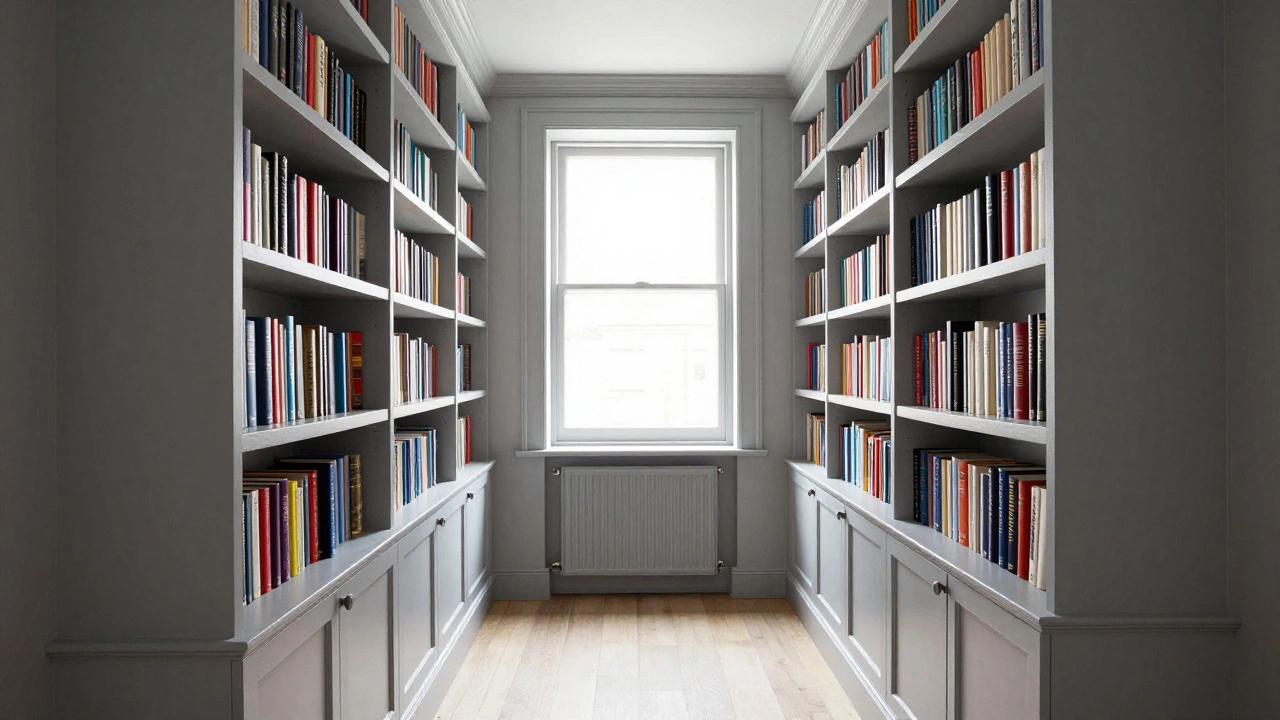
Should Built-In Bookcases Be the Same Color as Walls?
Should built-in bookcases match your walls? The answer depends on your space, lighting, and style goals. Matching creates calm and space; contrasting makes books a statement. Learn what works best for your home.
Popular Posts





Categories
Tag Clouds