Best Chair for Spine Health: Ergonomic Tips and Real Solutions
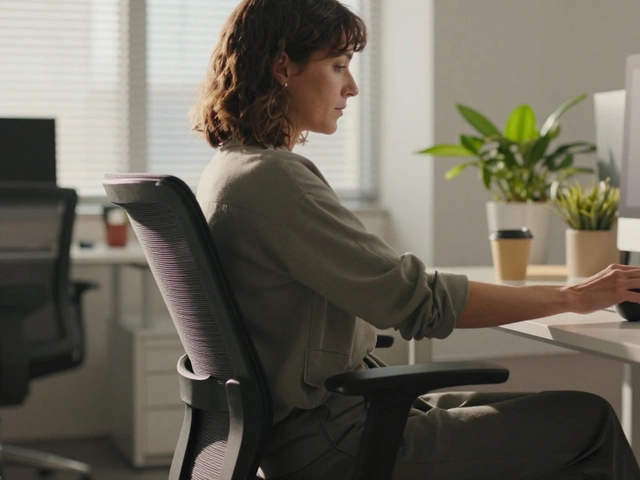
When you sit in a chair that doesn’t support your spine, you’re not just uncomfortable—you’re putting long-term stress on your back, neck, and even your hips. The best chair for spine health, a seating solution designed to maintain natural spinal curves and reduce pressure on discs and muscles. Also known as an ergonomic chair, it’s not about luxury or looks—it’s about how well it keeps your body aligned while you sit. Too many people think a cushioned seat or a high back is enough. But if the chair doesn’t support your lower back, lets your hips sink too low, or forces your shoulders forward, it’s doing more harm than good.
Spinal alignment isn’t just for office workers. It matters if you read in the evening, watch TV, or work from the kitchen table. The right chair helps your spine stay in its natural S-curve, which reduces strain on your discs and prevents muscle fatigue. This means your lumbar support, the curve built into the backrest that matches the lower spine’s natural arch needs to be adjustable—not fixed. Your hip position, where your hips sit in relation to your knees and feet should be slightly higher than your knees, so your thighs slope downward. And your footrest, a simple addition that keeps your feet flat and takes pressure off your lower back isn’t optional if your feet don’t touch the ground.
Some chairs promise support but fail because they’re too soft, too tall, or too stiff. A chair that’s too deep pushes you into a slouch. One without armrests forces your shoulders to carry the weight of your arms. And if the seat edge digs into your thighs, it cuts off blood flow and changes your posture instantly. The best chairs fix these issues with simple, smart adjustments: height, depth, tilt, and lumbar control. You don’t need a $1,000 model—just one that fits your body, not the other way around.
What you’ll find below are real, tested ideas from people who’ve dealt with back pain, long workdays, and bad seating. From how Japanese bedding relates to spine health to why recliners can help—or hurt—your posture, these posts give you the facts without the fluff. You’ll see what works for seniors, desk workers, and anyone who spends hours sitting. No guesses. No marketing hype. Just what actually helps your spine stay healthy while you sit.

-
Quentin Melbourn

- 11 November 2025
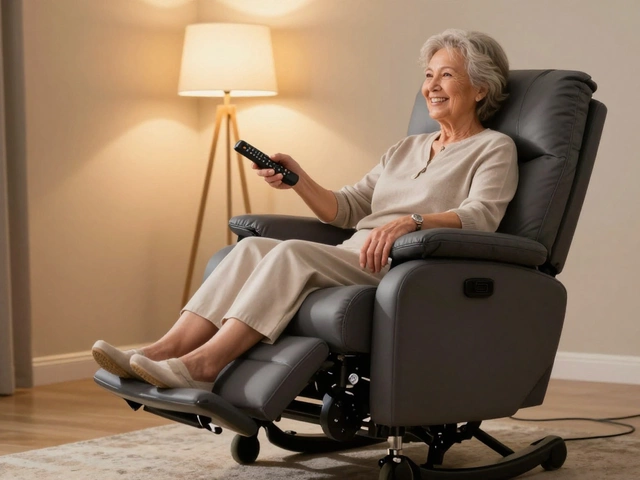
Are Recliners Bad for Degenerative Disc Disease? What Experts Say
Recliners aren't automatically bad for degenerative disc disease-when chosen and used correctly, they can reduce spinal pressure and ease pain. Learn what features to look for and how to avoid common mistakes.
Popular Posts


Categories
Tag Clouds