Best Bookcase Anchor – Secure Your Shelving the Right Way
When working with best bookcase anchor, a hardware device that firmly fastens a bookcase to a wall, keeping it stable and safe. Also known as wall anchor, it’s essential for anyone with tall bookcase, a freestanding piece of furniture used to store books and decorative items that connects to the wall studs, the vertical framing members inside a wall that provide structural support and requires the right installation tools, such as a drill, level, and stud finder. If you’re hunting for the best bookcase anchor for your home, keep reading.
The core attribute of a good anchor is its load capacity. A sturdy anchor must hold the combined weight of the bookcase, its contents, and any dynamic forces like a slight bump. Metal toggle bolts, for example, can support up to 70 kg per fastener, while simple plastic expansion anchors usually max out around 15 kg. The material matters because it dictates corrosion resistance and long‑term strength. Zinc‑coated steel resists rust in damp basements, whereas brass offers a decorative finish for living‑room installs. Choosing an anchor with a high shear rating ensures the joint won’t fail sideways when the shelf leans.
Key Factors to Choose the Right Anchor
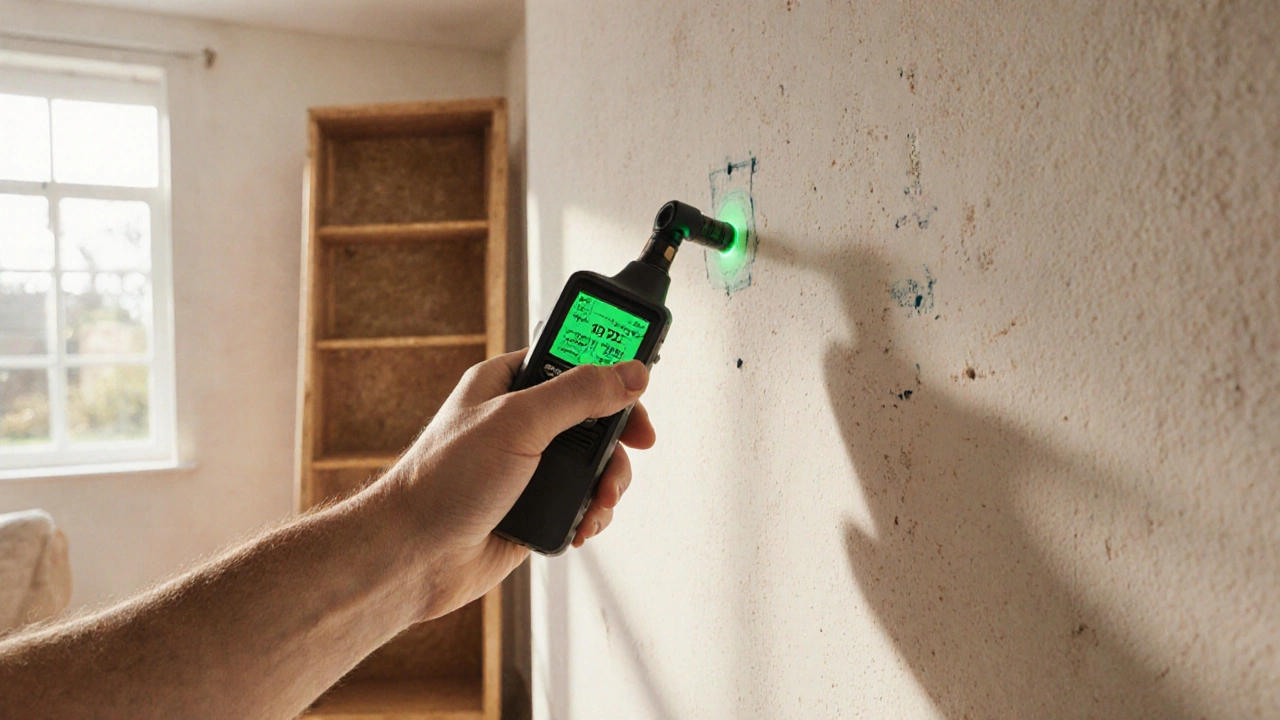
First, locate the wall studs. Anchors attached directly to studs provide the most reliable grip; a stud finder or tapping method can pinpoint them quickly. Second, match the anchor type to the wall surface. Drywall, plaster, and masonry each require different designs—toggle bolts for hollow walls, masonry anchors for brick, and screw‑in anchors for solid wood studs. Third, consider the installation angle. A level‑mounted anchor keeps the bookcase plumb, preventing wobble and uneven load distribution. Finally, think about future adjustments. Some anchors feature removable clips that let you reposition the shelf without drilling new holes, a handy feature for renters or evolving décor.
Beyond the hardware, safety habits round out the process. Always pre‑drill pilot holes that match the anchor’s diameter; this avoids splitting wood studs and reduces the risk of the screw stripping out. Use a torque‑controlled screwdriver to tighten fasteners evenly—over‑tightening can crush the anchor’s grip, while under‑tightening leaves play that can lead to tipping. After the anchor is in place, give the shelf a test push; a solid feel means the connection is sound. For families with children, consider adding a secondary safety strap that loops over the top of the bookcase and attaches to a wall anchor for extra peace of mind.
This collection of posts below dives deeper into each element: from comparing toggle‑bolt versus Z‑clip designs, to step‑by‑step guides on locating studs in older homes, and budgeting tips for a DIY anchor kit. Whether you’re refitting a home office, securing a tall entertainment unit, or simply want to prevent a nursery bookcase from wobbling, the articles give you the concrete numbers, tool lists, and practical anecdotes you need to choose and install the best bookcase anchor with confidence.
-
Quentin Melbourn

- 22 October 2025
Best Anchor for a Bookcase: How to Choose the Right One
Learn how to pick and install the best anchor for your bookcase, avoid common mistakes, and keep heavy shelves safe on any wall type.
Popular Posts




Categories
Tag Clouds