Patio Cushion Care Advisor
Answer a few questions about your environment and materials to get personalized advice on whether to leave your cushions outside or store them.
Summary Advice:
Daily Habits
Critical Warnings
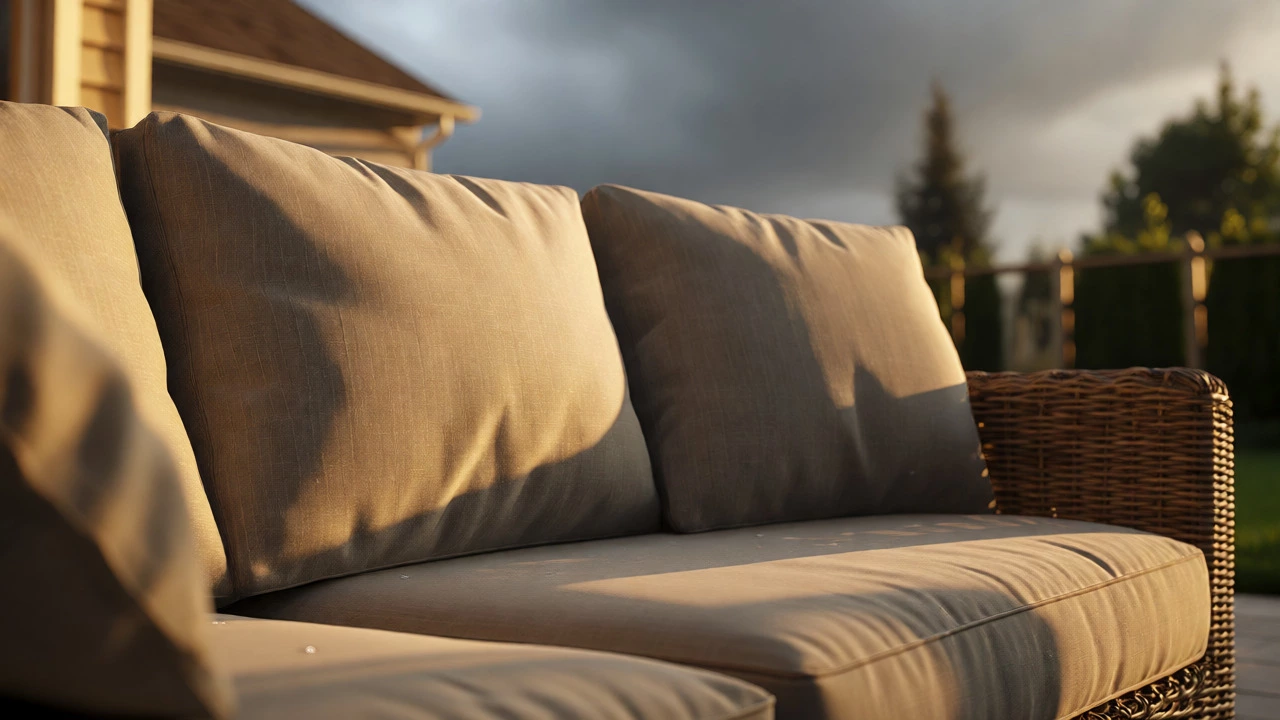
You just spent good money on those plush patio cushions. They make your backyard feel like an extension of your living room. But when the sky turns grey, or winter creeps in around here in Mississauga, you face a tough choice: haul them inside every night, or leave them out and hope for the best?
Here is the blunt truth: most patio cushions should not stay outside year-round, even if the tag says "weather-resistant." There is a massive difference between water-resistant and waterproof. Leaving them exposed to UV rays, moisture, and temperature swings will degrade the foam, fade the fabric, and invite mold long before the next summer barbecue. But do you need to store them indoors every single evening? Not necessarily. It depends on your local climate, the quality of your materials, and how much hassle you want to deal with.
The Difference Between Weather-Resistant and Waterproof
Marketing terms can be tricky. When a label says "weather-resistant," it usually means the fabric has been treated with a coating (like polyurethane) that repels light rain. It does not mean the cushion is sealed against heavy downpours or humidity. If water seeps into the foam core, it acts like a sponge. That trapped moisture is the enemy.
True waterproof covers are rare for standard retail cushions because they trap heat and prevent breathability, which causes condensation inside the cover. Instead, look for fabrics labeled as solution-dyed acrylics, such as Sunbrella. These fibers are colored throughout, so they resist fading and dry quickly. However, even high-end Sunbrella cushions will develop mildew if left damp for days without airflow. The key factor isn't just the rain; it's the duration of exposure to wet conditions.
How Climate Impacts Your Decision
Where you live dictates the rules. If you are in a dry, sunny climate like Arizona, leaving cushions out might be fine for months, provided you rotate them to prevent uneven sun damage. But for most Canadians and people in the northern US, the game changes completely once September hits.
In regions like Ontario, we deal with three major threats:
- Falling Temperatures: Cold air holds less moisture, but dew points rise at night. This condensation settles on cold fabric surfaces, keeping them damp longer than in warm weather.
- UV Degradation: Even in fall, UV rays break down the chemical bonds in synthetic foams, causing them to crumble or lose resilience.
- Mold Spores: Mold spores thrive in cool, damp environments. Once they take root in the foam, they are nearly impossible to remove completely.
If you experience freezing temperatures, water trapped in the foam expands as it freezes. This expansion tears the internal structure of the foam cells. Next spring, your comfortable seat might feel lumpy and flat. For anyone dealing with frost, indoor storage is non-negotiable during the off-season.
Daily Habits vs. Seasonal Storage
Do you need to run outside every time it drizzles? Probably not. Here is a practical framework for managing your outdoor cushions based on usage frequency and weather patterns.
During Active Summer Use
Keep them outside during the day. Bring them in only if a storm is forecasted or if heavy rain is expected. If they get soaked, stand them up vertically to allow water to drain from the seams. Laying them flat traps water underneath. If you have a covered porch, you can likely leave them out overnight unless strong winds threaten to blow them away or bring debris onto them.
During Shoulder Seasons (Spring/Fall)
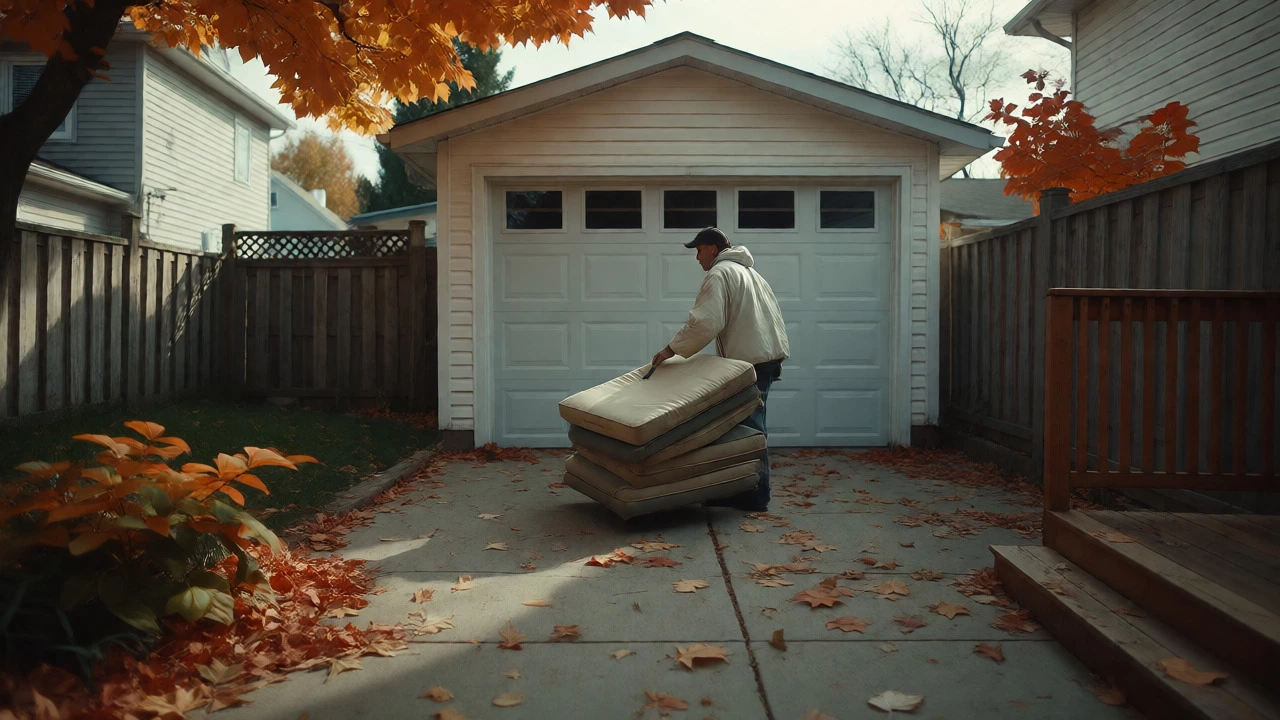
This is the danger zone. Nights are colder, and humidity is high. If you aren't using the furniture daily, put the cushions in a garage or shed. If you must leave them out, use breathable storage bags. Avoid plastic tarps that seal tightly; they create a greenhouse effect that breeds mold.
Winter Storage
Bring them inside. Period. Clean them thoroughly first. Store them in a dry, cool place. Do not stack heavy items on top of them, as this compresses the foam permanently. If space is tight, vacuum-seal bags can work, but ensure the cushions are bone-dry first. Trapping moisture in a vacuum bag is a recipe for disaster.
Cleaning and Maintenance Tips
Most people wait until the cushions are black with grime to clean them. By then, the dirt has ground into the fibers. Regular maintenance extends life significantly. Check the manufacturer’s label first. Most modern outdoor fabrics can be cleaned with a mixture of mild soap and water.
For stubborn stains or early mildew signs, mix one cup of bleach with a gallon of water. Scrub gently with a soft brush. Rinse thoroughly. Never use a pressure washer on the fabric itself; the force can strip the protective coatings and fray the weave. Always let cushions dry completely in direct sunlight before storing them. Sunlight is a natural disinfectant and helps kill lingering bacteria.
| Material Type | Water Resistance | UV Resistance | Mold Risk | Best Storage Practice |
|---|---|---|---|---|
| Solution-Dyed Acrylic (e.g., Sunbrella) | High (dries fast) | Excellent | Low (if dry) | Can stay out in rain; store in winter |
| Polyester with PU Coating | Moderate | Fair (fades over time) | Moderate | Store during prolonged rain/winter |
| Vinyl/PVC | High (waterproof surface) | Poor (cracks in cold) | High (if seams leak) | Indoor storage recommended in cold |
| Quick-Dry Foam Core | N/A (Core material) | N/A | Low (drains well) | Pair with breathable covers |
Alternatives to Indoor Storage
Not everyone has closet space for bulky cushions. If hauling them inside is impractical, consider these alternatives:
- Outdoor Storage Boxes: Look for resin boxes with drainage holes. Ensure they are rated for outdoor use and have a gasket seal to keep pests out. Place them under the seating area to save visual space.
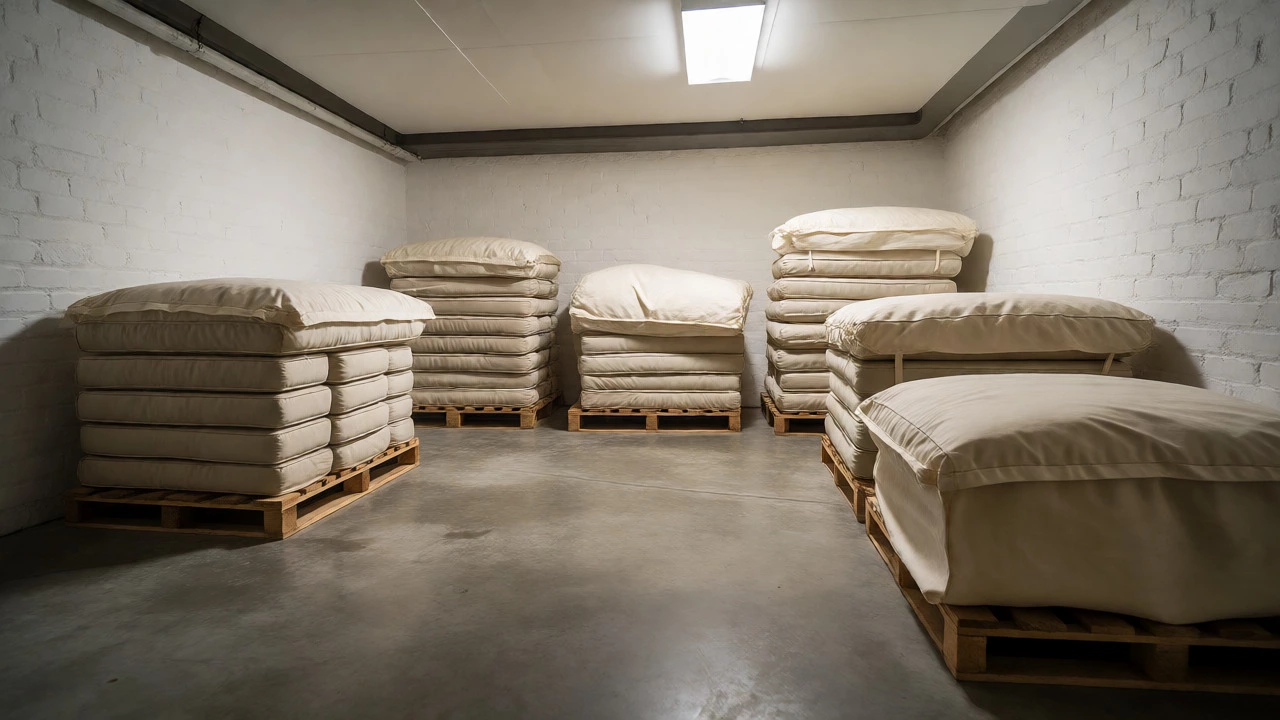
- Breathable Bags: Unlike plastic bins, canvas or mesh bags allow air circulation. This prevents the "swamp smell" that develops in sealed containers.
- Raised Platforms: If you must leave them on the patio, elevate them on bricks or pallets. This prevents wicking moisture from the concrete or wood deck below.
A common mistake is putting cushions directly on wet grass or decking. Water wicks upward through capillary action, soaking the bottom layer even if it hasn't rained recently. Always create a barrier between the cushion and the ground.
When to Replace Your Cushions
Even with perfect care, foam breaks down. How do you know when it is time to buy new ones? Press firmly into the center of the cushion. If it doesn't spring back quickly, the foam density is gone. Check the underside for dark spots that don't wash off-this is deep-rooted mold. Inspect the zippers; if they are rusted or broken, replacing the whole unit is often cheaper than repairing individual components.
Investing in high-quality replacements pays off. Cheap cushions last one season. Good ones, properly cared for, last five to seven years. Consider buying covers separately from the foam inserts. This way, you can wash the covers frequently and replace only the foam if it degrades, rather than throwing away the entire assembly.
Can I leave patio cushions outside in the rain?
Yes, for short periods. Most outdoor cushions are water-resistant, meaning they can handle a sudden shower. However, they are not waterproof. If rain persists for more than 24 hours, or if the cushions remain damp for several days, mold can begin to form. Always stand them upright after rain to help them dry faster.
Will leaving cushions outside ruin them?
Leaving them outside year-round will shorten their lifespan significantly. UV rays cause colors to fade and fabrics to become brittle. Moisture leads to mold and mildew, which can stain fabrics and destroy foam integrity. In cold climates, freezing temperatures can crack vinyl covers and tear foam structures.
How do I protect cushions from mold?
The best protection is airflow and dryness. Store cushions in a dry, ventilated area when not in use. If you must store them in a garage, use breathable cotton bags instead of plastic bins. Regularly clean them with a mild soap solution to remove organic matter that mold feeds on. Ensure they are completely dry before storing.
What is the best way to store patio cushions in winter?
Clean them thoroughly and let them dry in the sun. Store them indoors in a cool, dry place like a basement or closet. Avoid placing heavy objects on top of them to prevent permanent compression. If indoor space is limited, a sealed, waterproof outdoor storage box with ventilation holes is the next best option.
Are expensive cushions worth it?
Generally, yes. High-end fabrics like solution-dyed acrylics resist fading and staining better than cheap polyester blends. They also tend to have higher-density foam cores that retain their shape longer. While the upfront cost is higher, the extended lifespan often makes them more economical over time compared to replacing cheap cushions every two seasons.