Bubble Wrap Storage Safety Checker
Select your item details below to receive a personalized safety assessment.
Item Details
Safety Assessment
EvaluateThere is a common myth that bubble wrap is the ultimate shield for anything you plan to keep away for a while. It looks protective, it’s cheap, and it’s everywhere. But if you are storing delicate items like antiques, electronics, or even upholstered furniture in a closet or garage for six months or more, that soft plastic might actually be doing more harm than good.
The short answer is: it depends on what you are protecting and how long you mean by "long-term." For sturdy items stored in dry conditions, bubble wrap can work. For sensitive materials, it often traps humidity and generates static that leads to permanent damage. Understanding the material science behind this simple packaging helps you make the right call before you seal up your boxes.
Quick Summary / Key Takeaways
- Bubble wrap is excellent for short-term transport but risky for storage exceeding three months due to off-gassing and moisture trapping.
- Static electricity generated by friction between bubbles and surfaces can damage screens, wood finishes, and fabrics.
- Acid-free tissue paper and museum-grade plastics are superior alternatives for archival-quality long-term storage.
- Always ensure items are completely dry before wrapping to prevent mold growth inside sealed plastic layers.
- Check your specific item’s material compatibility; leather and vinyl react poorly to prolonged contact with certain plastics.
Why Bubble Wrap Can Be Problematic Over Time
At its core, Bubble Wrap is a flexible plastic film filled with air pockets used for cushioning fragile items during transit. It was invented in 1957 by Alfred Fielding and Marc Chavannes as a decorative wall covering before finding its true purpose in packaging. While effective at absorbing shock, its chemical composition makes it less ideal for indefinite storage.
The primary issue is off-gassing. Many standard bubble wraps contain polyethylene that may release small amounts of volatile organic compounds (VOCs) over time. In a sealed box, these gases have nowhere to go. They can interact with acidic materials in paper, photographs, or untreated wood, leading to yellowing or discoloration. If you’ve ever opened an old box and smelled a sharp, plastic-like odor, that’s off-gassing at work. For most household items, this smell fades quickly, but for valuable collectibles, it’s a sign of potential chemical degradation.
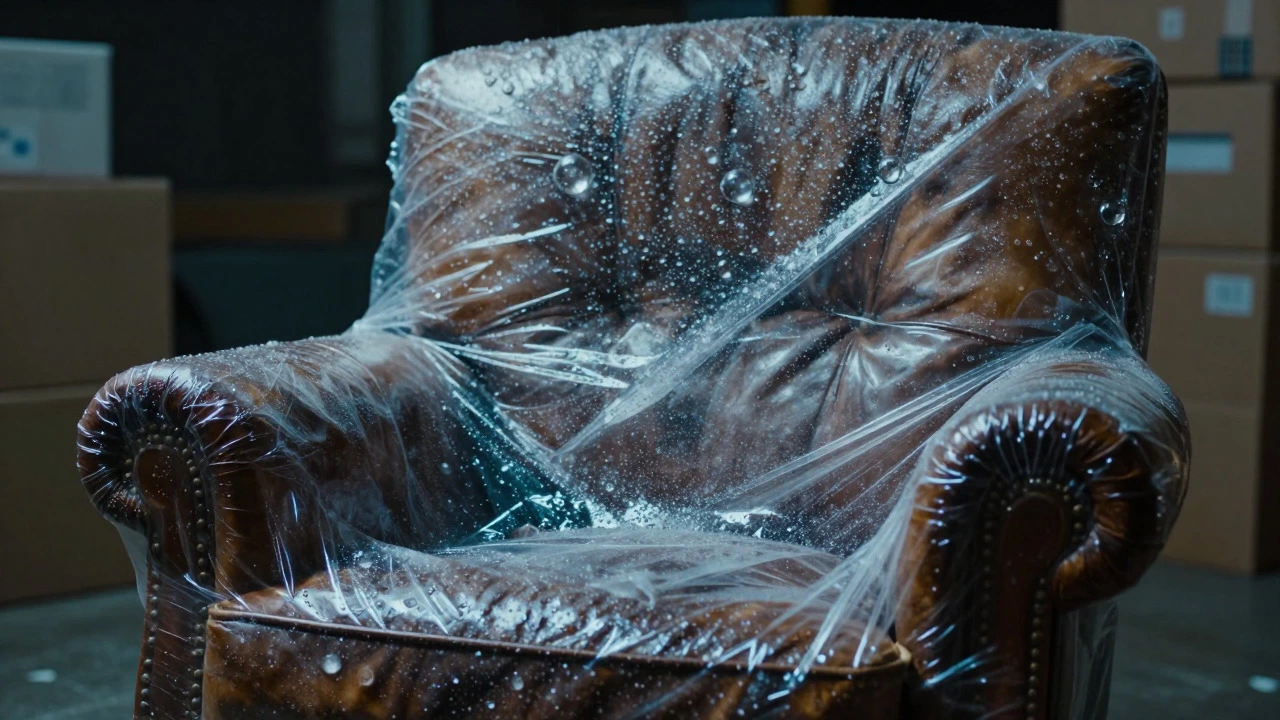
Then there is the moisture factor. Bubble wrap is not breathable. If you wrap a slightly damp item-or store it in a humid basement-the moisture gets trapped between the object and the plastic. This creates a microclimate perfect for mold spores. Mold doesn’t just stain; it eats through fibers in fabric and paper. Once mold sets in under plastic, removing it without damaging the item underneath is nearly impossible.
Static Electricity: The Invisible Enemy
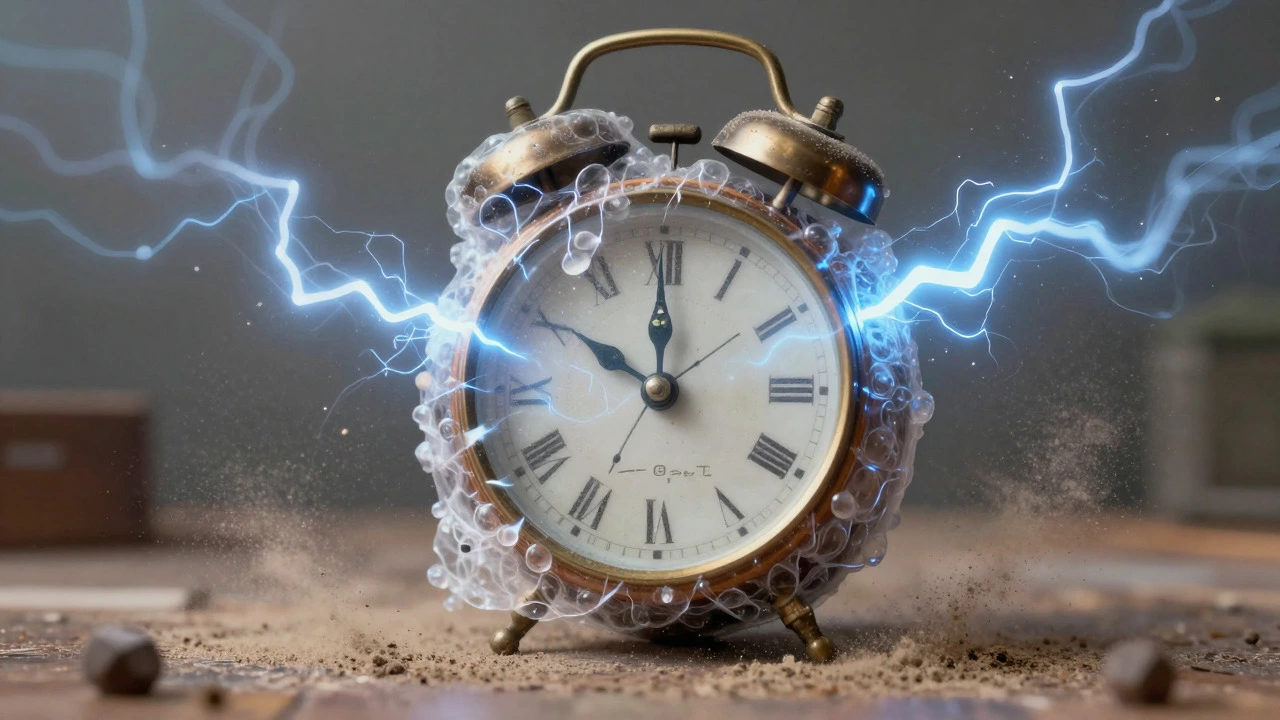
Another silent culprit is static charge. When you rub bubble wrap against itself or against a surface, electrons transfer, creating a static charge. This effect is negligible during a quick move, but over weeks of sitting in a dark closet, the charge builds up. High static levels attract dust particles aggressively. Dust isn’t just dirty; it contains abrasive silica particles. Over months, this fine grit can scratch glass, polished wood, and electronic screens.
For electronics, static discharge is a direct threat. A single spark from unwrapping a charged screen can fry sensitive circuits. While rare in low-humidity environments, the risk increases in dry climates or winter months when indoor heating lowers humidity. If you are storing laptops, tablets, or high-end audio equipment, skip the bubble wrap entirely. Use anti-static bags instead, which dissipate charge rather than building it.
Material Compatibility Matters
Not all objects react the same way to plastic. Here is how different materials fare when wrapped in standard bubble wrap for long periods:
| Material Type | Safety Level | Risk Factor | Recommended Alternative |
|---|---|---|---|
| Hardwood Furniture | Moderate | Trapped humidity causes warping | Cotton moving blankets |
| Leather Upholstery | Low | Dries out, cracks, loses oils | Breathable cotton covers |
| Glassware/Ceramics | High | Minimal risk if dry | Paper towels + bubble wrap |
| Photographs/Paper | Very Low | Off-gassing causes yellowing | Acid-free tissue paper |
| Electronics | Low | Static discharge damages circuits | Anti-static foam/bags |
Notice the pattern: porous or organic materials suffer the most. Leather, for instance, needs to breathe. Trapping it in plastic prevents natural oil evaporation, leading to stiffening and cracking within a year. Glass and ceramics, being non-porous and chemically stable, handle bubble wrap well, provided they are clean and dry. Even then, adding a layer of plain paper between the item and the wrap adds an extra buffer against scratches.
Best Practices for Safe Long-Term Storage
If you decide to use bubble wrap despite the risks, follow these steps to minimize damage:
- Clean thoroughly: Remove all dust, dirt, and liquids. Wipe down surfaces with a dry cloth. Any residue left will bond to the plastic or feed mold.
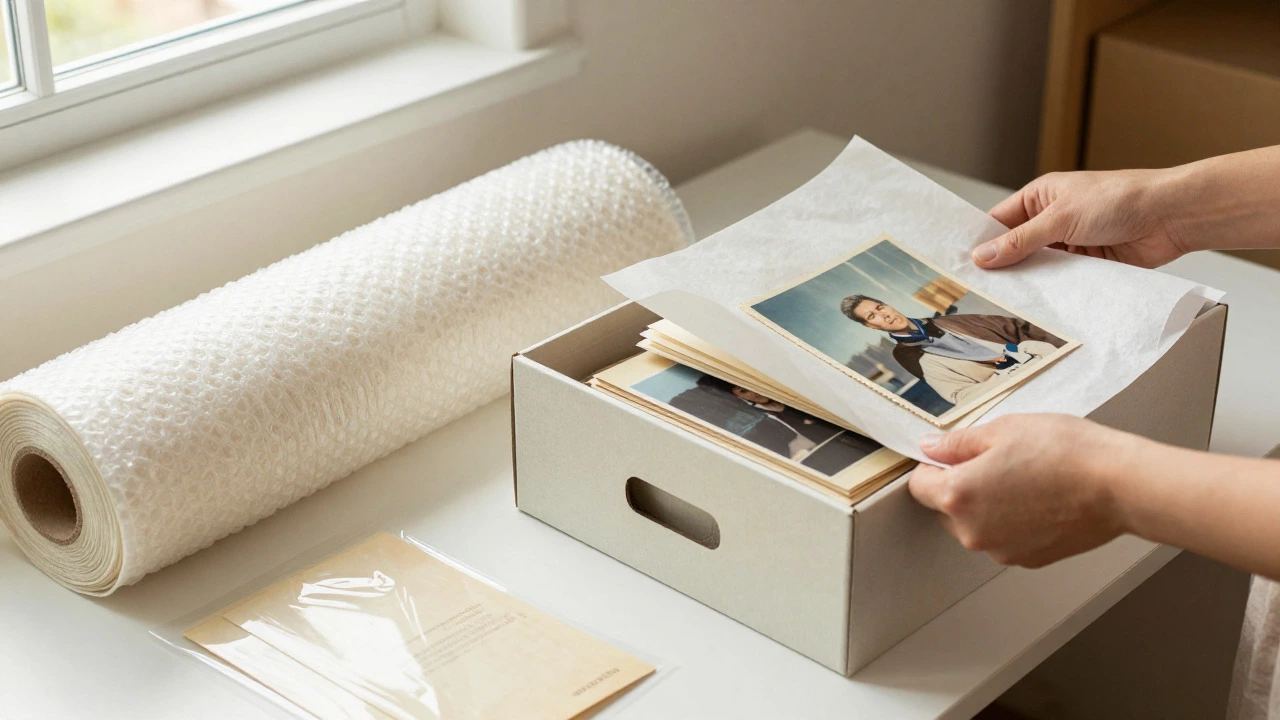
- Add a barrier layer: Never let bubble wrap touch the item directly. Wrap the item in acid-free tissue paper, a clean cotton sheet, or plain kraft paper first. This absorbs minor moisture and reduces static transfer.
- Leave gaps: Don’t wrap too tightly. Air circulation helps prevent condensation buildup. Loose wrapping allows slight airflow without compromising cushioning.
- Label and date: Write the storage date on the outside of the box. Remind yourself to check the item every 6-12 months. Rotate items gently to relieve pressure points.
- Control the environment: Store in a cool, dry place. Avoid attics (too hot) and basements (too damp). Aim for temperatures between 60-70°F (15-21°C) and relative humidity below 50%.
For truly valuable items, consider investing in specialized storage solutions. Museum-grade plastic sleeves are inert and transparent, allowing you to inspect items without unwrapping them. Archival boxes made from buffered board provide structural support and chemical stability. These options cost more upfront but save thousands in restoration costs later.
When Bubble Wrap Is Actually Fine
Let’s not demonize bubble wrap entirely. It remains a viable option in specific scenarios. If you are storing sturdy, non-porous items like metal tools, plastic toys, or ceramic mugs in a climate-controlled room, bubble wrap is perfectly safe. The key is duration. For storage under three months, the risk of off-gassing or static damage is minimal. For longer periods, the cumulative effects become significant.
Also, consider the context. If you are moving house and need to protect items during transit and temporary storage in a truck or spare room for a few weeks, bubble wrap is your best friend. Its shock-absorbing properties far outweigh any long-term chemical risks in that timeframe. Just remember to re-wrap sensitive items properly once they reach their final destination.
Frequently Asked Questions
Can bubble wrap cause mold?
Yes, if moisture is present. Bubble wrap traps humidity, creating a warm, moist environment where mold spores thrive. Always ensure items are completely dry before wrapping, and use a barrier layer like tissue paper to absorb residual moisture.
How long can I safely store items in bubble wrap?
For most household items, three to six months is generally safe in dry conditions. Beyond that, switch to breathable materials or archival-grade plastics. Check items every few months to inspect for condensation or discoloration.
Is bubble wrap bad for leather?
Yes, prolonged contact can dry out leather, causing it to crack and lose flexibility. Use breathable cotton covers instead. If you must use plastic, ensure it is specifically designed for leather preservation and allow regular airing out.
What is better than bubble wrap for long-term storage?
Acid-free tissue paper, museum-grade plastic sleeves, and cotton moving blankets are superior for sensitive items. These materials are chemically inert, breathable, and resistant to static buildup, making them ideal for years-long storage.
Does bubble wrap generate static electricity?
Yes, friction between the plastic bubbles and other surfaces generates static charge. This can attract dust and potentially damage electronics. Using a barrier layer reduces static transfer, and anti-static products eliminate the risk entirely.