Wardrobe Features: What Really Matters in Custom Built-In Storage
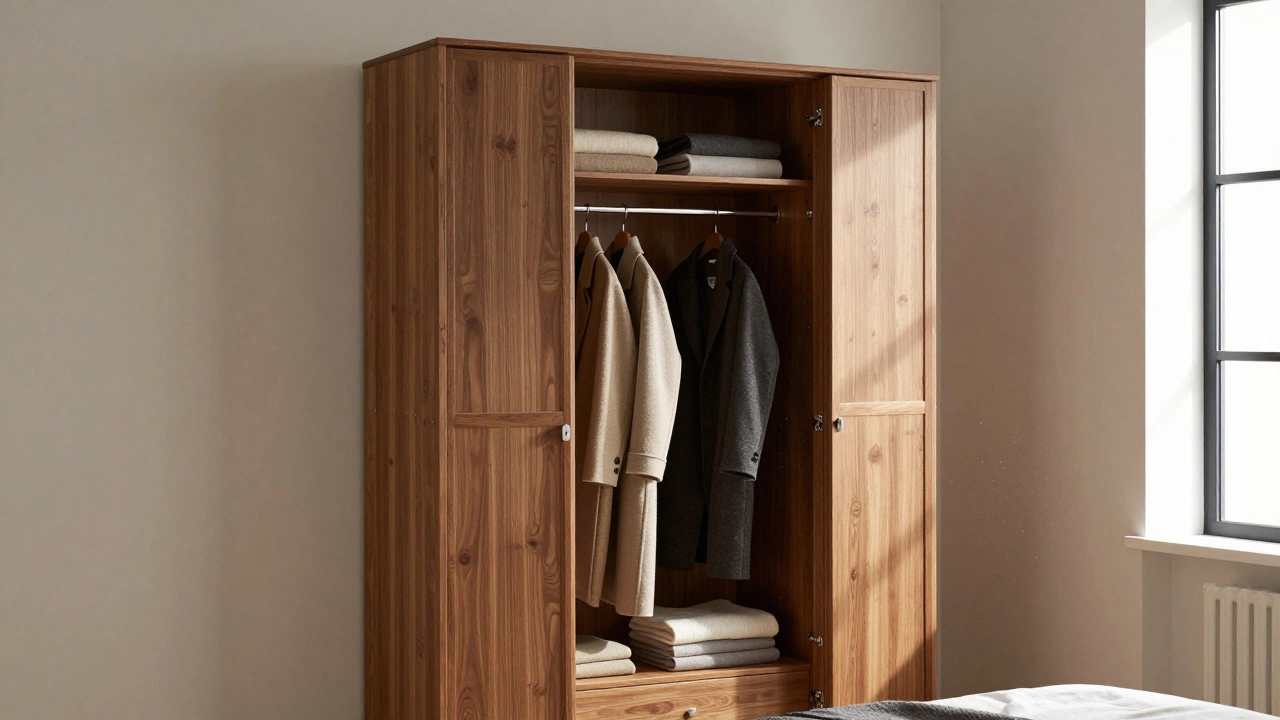
When you think about a wardrobe, a custom-built storage unit designed for clothes and personal items, often integrated into a bedroom wall. Also known as a built-in wardrobe, it’s more than just a closet—it’s the backbone of your morning routine. A good one doesn’t just hold clothes. It saves time, reduces clutter, and makes getting dressed feel effortless. But not all wardrobe features are worth the space or cost. You need the right mix of function, durability, and smart design to make it work for your daily life.
What makes one wardrobe better than another? It’s not just the wood or the paint. It’s the internal layout, the arrangement of shelves, rods, drawers, and compartments inside the wardrobe. A standard wardrobe might have one hanging rod and two shelves. A smart one has two hanging sections—one for long coats, one for shirts—plus pull-out shoe racks, pull-down rods for hard-to-reach items, and deep drawers with dividers for socks and underwear. These aren’t luxuries. They’re the difference between finding your favorite shirt in 10 seconds or 10 minutes.
Then there’s the material, the type of wood, board, or finish used to build the wardrobe structure and components. Cheap particle board warps with humidity and cracks under weight. Solid wood or high-grade MDF with a moisture-resistant finish lasts decades. If you live near the coast in East Yorkshire, where the air gets salty and damp, this isn’t optional. It’s necessary. The same goes for hardware—soft-close hinges, metal runners on drawers, and adjustable shelving aren’t just nice to have. They prevent broken doors, jammed drawers, and sagging shelves before you even hit five years.
And don’t forget lighting. A dark wardrobe is a frustrating wardrobe. LED strip lights that turn on when you open the door? That’s not a gimmick. It’s a game-changer for finding that navy blazer in winter or matching socks in the morning rush. Even a simple motion-sensor light cuts down on wasted time and wasted energy.
Some people think custom wardrobes are only for big homes or luxury budgets. That’s not true. Even in small East Yorkshire bedrooms, smart wardrobe features can turn a cramped space into a streamlined, clutter-free zone. Sliding doors save space. Mirror fronts add light and make rooms feel bigger. Deep drawers replace bulky dressers. You don’t need a walk-in closet to have a wardrobe that works perfectly for you.
What you’ll find in the posts below isn’t a list of fancy designs or trending colors. It’s real talk about what actually works. From how to organize your shoes without a shoe rack to why your wardrobe’s internal depth matters more than its width, these articles cut through the noise. You’ll learn what features to demand from a builder, what to skip, and how to spot a wardrobe that’s built to last—not just look good in a photo.
-
Quentin Melbourn

- 1 December 2025
What Makes a Wardrobe a Wardrobe? The Essential Features That Define It
A wardrobe isn't just any storage unit-it's defined by freestanding design, hanging space, and purpose-built structure for clothing. Learn what truly makes a wardrobe different from a closet or dresser.
Popular Posts


Categories
Tag Clouds