Wardrobe Definition: What It Really Means and How It Differs from a Closet
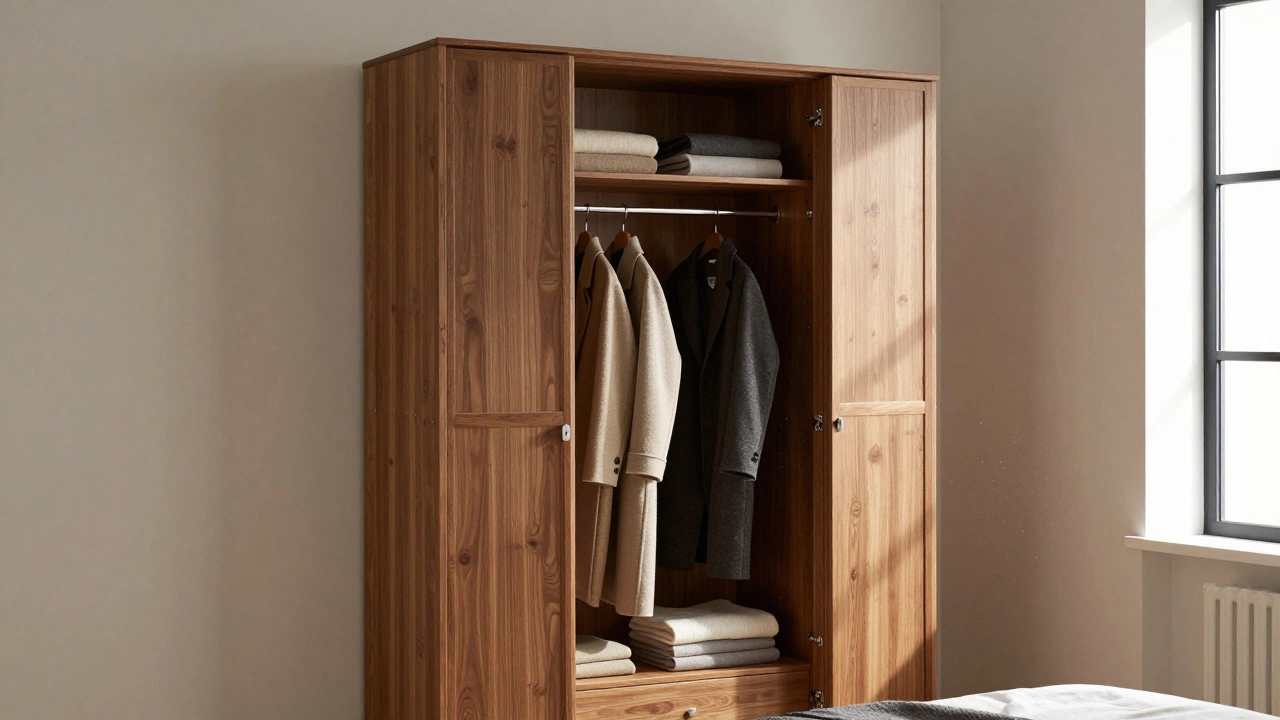
When we talk about a wardrobe, a freestanding piece of furniture designed to store clothes, often with hanging space, shelves, and drawers. Also known as closet, it wardrobe is a key part of bedroom storage in UK homes, especially where built-in closets are rare. In the US, people say "closet"—a built-in space in the wall. But here in East Yorkshire and across the UK, "wardrobe" is what you buy, move, and customize to fit your room. It’s not just a box for clothes—it’s furniture that shapes how you live in your bedroom.
A custom wardrobe, a tailored storage unit built to your exact space, needs, and style solves problems you didn’t even know you had. Think about clothes that get wrinkled because the hanging space is too narrow, or shoes lost in a messy pile because there’s no dedicated drawer. A well-designed wardrobe fixes that. It can include pull-out trays, mirrored doors, LED lighting, or even built-in laundry hampers. You don’t just store clothes—you organize your life. And because bedrooms in East Yorkshire homes are often smaller than in other regions, smart wardrobe design isn’t a luxury—it’s a necessity.
Some people think a wardrobe is just a bigger version of a closet. But that’s not right. A closet, a recessed storage space built into a wall, common in American homes is permanent. You can’t move it. You can’t change the shelves. A wardrobe is flexible. You can buy it secondhand, repaint it, reconfigure it, or swap it out when you move. That’s why so many homeowners in East Yorkshire choose custom wardrobes—they get the function of a built-in closet with the freedom of furniture.
What you find in your wardrobe says a lot about how you use your space. Do you hang everything? Do you need space for seasonal coats? Are you short on floor space? The right wardrobe answers those questions before you even walk into the room. And if you’ve ever tried to cram a full-sized wardrobe into a tight corner only to find the door won’t open, you know why measurements matter. Custom wardrobes are built around your room, not the other way around.
There’s no one-size-fits-all solution. A tall, narrow wardrobe works for a slim hallway bedroom. A wide, low unit with drawers fits better under a sloped ceiling. And if you’re sharing a room, double-sided wardrobes with separate sections can keep things peaceful. The best designs don’t just hold clothes—they reduce clutter, save time, and make mornings easier.
What you’ll find in the posts below isn’t just theory. It’s real talk from people who’ve lived with bad storage, fixed it, and learned what actually works. You’ll see how the difference between a wardrobe and a closet affects your daily routine, why certain materials last longer, and how color and layout change the feel of your whole bedroom. Whether you’re replacing an old unit or starting from scratch, these guides give you the facts—no fluff, no marketing spin—just what helps you make a better choice.
-
Quentin Melbourn

- 1 December 2025
What Makes a Wardrobe a Wardrobe? The Essential Features That Define It
A wardrobe isn't just any storage unit-it's defined by freestanding design, hanging space, and purpose-built structure for clothing. Learn what truly makes a wardrobe different from a closet or dresser.
Popular Posts


Categories
Tag Clouds