Room Make Bigger: How to Expand Your Space Quickly
When tackling room make bigger, the goal is to create the feeling of more space without knocking down walls. Also known as making a room look larger, it blends design tricks with clever layout choices to boost both function and perception.
Space planning is the process of arranging furniture and zones so every inch works efficiently lies at the heart of any successful enlargement effort. By mapping out traffic routes and defining clear zones, you prevent clutter and let the eye flow naturally. Pair this with multifunctional furniture, pieces that serve more than one purpose, such as a sofa bed or a storage ottoman, and you free up floor area while keeping utility high.
Key Strategies to Stretch Your Room
Light colors act like visual lenses; a soft white or pastel on walls, ceilings and large surfaces reflects natural light, making depth feel endless. Pairing light tones with matte finishes avoids glare that can shrink a space. Mirrors are another visual amplifier – a well‑placed full‑length mirror doubles the view and adds depth without any extra square footage. Position it opposite a window to bounce daylight around the room.
Vertical storage is often overlooked. Tall shelves, high‑mounted cabinets, and floor‑to‑ceiling closets draw the eye upward, suggesting height. Keep the lower portion minimal to maintain a clear sight line across the floor. When you combine vertical storage with floating furniture – like wall‑mounted desks or TV units – the floor stays open, enhancing the sense of spaciousness.
Lighting isn’t just for illumination; layered lighting creates depth. Use a mix of ambient, task, and accent lights. Recessed ceiling lights keep the ceiling height apparent, while floor lamps with slim profiles add function without bulk. A well‑lit room feels larger because shadows don’t hide corners.
Trim excess furniture. In a small room, every piece should earn its spot. Prioritize items that serve two roles – a bench with hidden compartments, a coffee table that lifts to a desk, or a bed with built‑in drawers. This reduces the number of separate pieces and frees up walking space.
Open‑plan concepts work even in modest rooms. Remove unnecessary partitions or replace bulky doors with sliding panels or glass inserts. When walls can’t be removed, create visual breaks with area rugs or different paint shades to delineate zones without adding physical barriers.
Finally, declutter regularly. A tidy room instantly feels larger. Store seasonal items in off‑site storage or use under‑bed bins to keep everyday areas free. Decluttering also makes the visual tricks you employ – colors, mirrors, lighting – work more effectively.
All these ideas connect back to the main goal: room make bigger doesn’t demand a renovation; it needs smart choices that shift perception. Below you’ll find a curated collection of articles that explore each of these tactics in depth, offering step‑by‑step advice and real‑world examples you can apply today.
-
Quentin Melbourn

- 17 October 2025
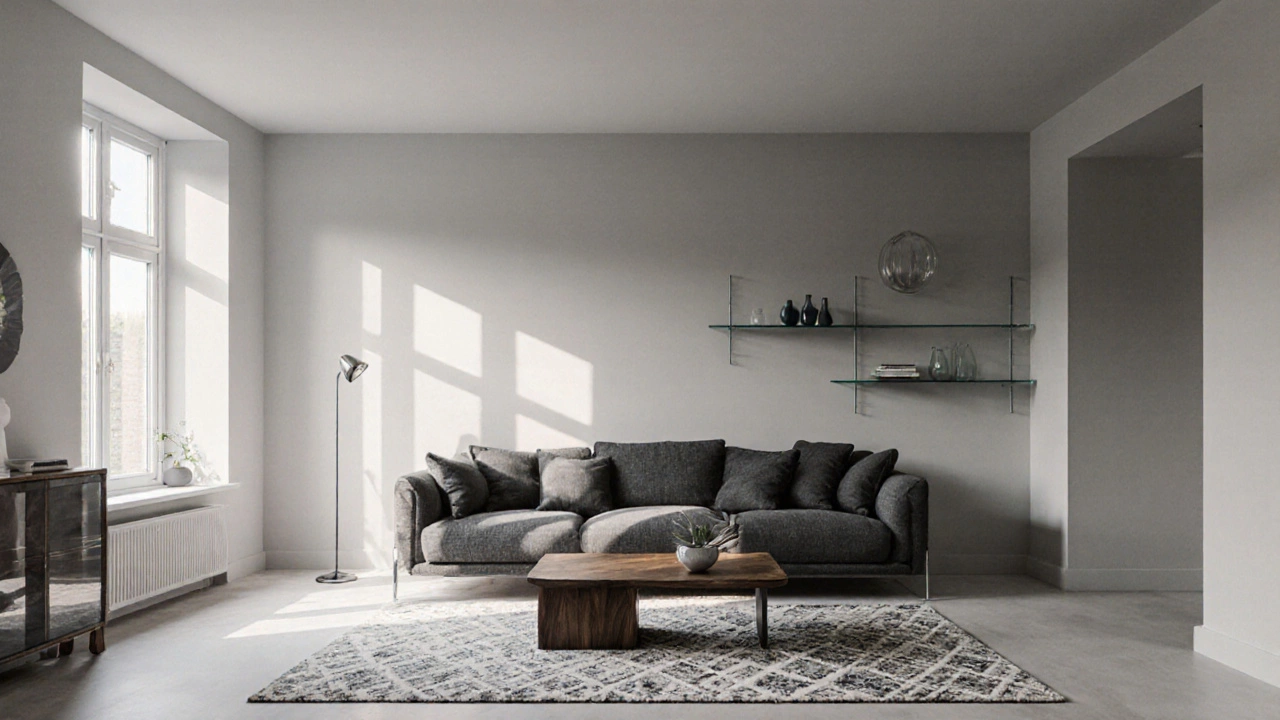
Which Gray Paint Shade Expands Your Space? A Practical Guide
Discover which gray paint shade makes a room feel larger, how undertones affect perception, and how to match gray walls with sofa sets for a spacious look.
Popular Posts

Categories
Tag Clouds