Protect Couch During Storage: How to Keep It Safe and Dry
When you need to store a couch, you’re not just packing away furniture—you’re protecting an investment. A quality sofa can cost thousands, and even a mid-range one lasts years. But leaving it in a garage, attic, or storage unit without proper care? That’s asking for trouble. protect couch during storage, this means shielding it from moisture, dust, pests, and physical damage while it’s off-site. Also known as furniture storage protection, it’s not optional if you want your couch to look and feel like new when you bring it back.
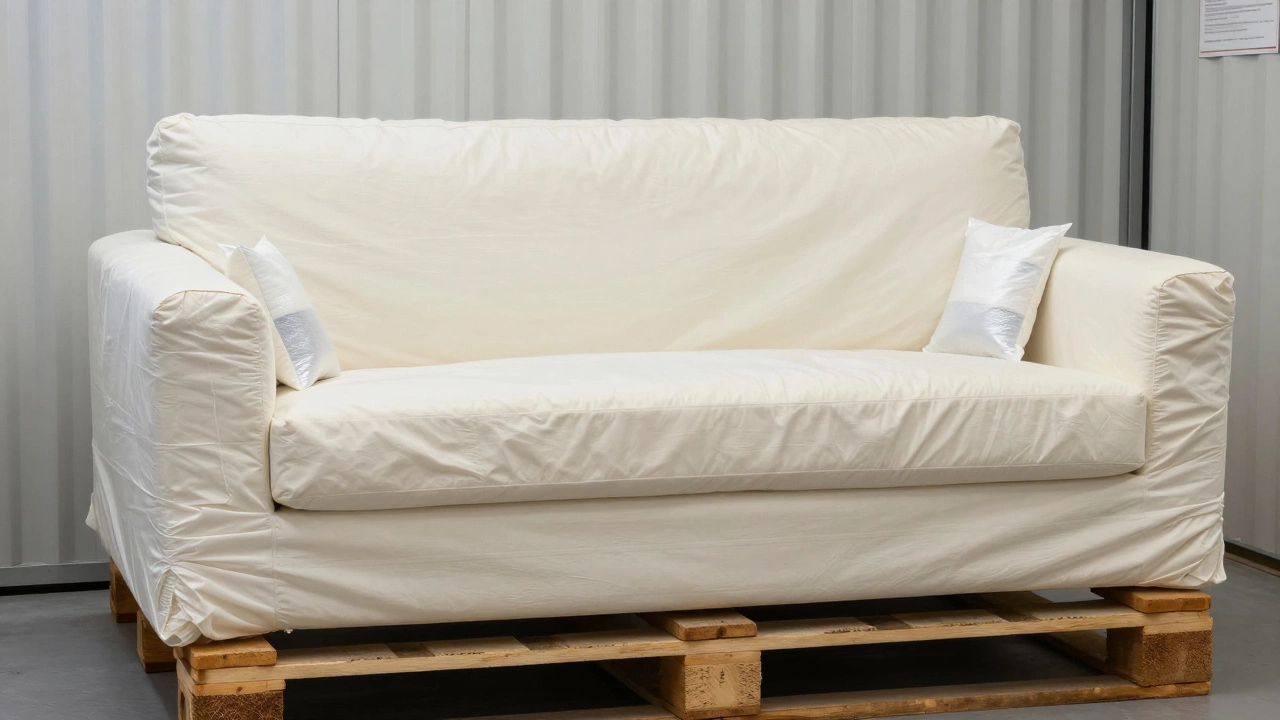
Moisture is the silent killer of upholstered furniture. Storage units in East Yorkshire—especially older ones—can get damp. Condensation builds up on walls and floors, and that dampness creeps into fabric and foam. Even if it doesn’t rain, humidity alone can cause mold, mildew, and permanent odors. That’s why using a DampRid, a moisture-absorbing product often used in enclosed spaces like closets and storage units helps, but it’s not enough on its own. You need to wrap the couch in breathable fabric, not plastic. Plastic traps moisture and turns your couch into a steam room. A cotton moving blanket or specialized furniture cover lets air move while keeping dust and dirt out.
Then there’s the pest problem. bed bugs on stored furniture, these tiny insects can survive for months without feeding, hiding deep in seams and cushions. If your couch sat in a garage or unit where someone else had an infestation, you could be bringing home more than dust. Always inspect the couch before storing it. Vacuum every seam. Check under cushions. And if you’re unsure, treat it with a non-toxic fabric spray designed for bed bug prevention. Don’t assume it’s safe just because it looks clean.
Storage isn’t just about wrapping and stacking. Where you put it matters. Avoid placing the couch directly on concrete floors—use wooden pallets or risers to lift it off the ground. This stops moisture from wicking up and gives air space underneath. Keep it away from windows and vents where temperature swings happen. Don’t stack heavy boxes on top of it. Cushions get crushed, springs warp, and fabric tears. Think of it like storing a car—you don’t just park it and walk away. You check the tires, cover it, and make sure it’s in a dry spot.
And don’t forget about sunlight. Even in storage, if your unit has windows or skylights, UV rays fade fabric over time. Darker colors like navy or charcoal hold up better, but all fabrics fade. Cover the couch with an opaque, light-blocking cover if possible. You don’t need to spend a fortune—some moving companies sell reusable, UV-resistant covers for under £20.
People think storing a couch is simple. It’s not. It’s a mix of science, common sense, and a little bit of patience. You wouldn’t leave your winter coat in a damp basement for six months and expect it to still be wearable. Your couch deserves the same care. The right steps don’t take long, but they make all the difference between a couch that still looks good and one you have to replace.
Below, you’ll find real advice from people who’ve been there—how to use DampRid properly, what materials actually work for covering furniture, how long bed bugs live on stored items, and how to avoid the mistakes most people make. These aren’t guesses. They’re proven tips from real storage experiences.
-
Quentin Melbourn

- 1 December 2025
How to Seal a Couch for Storage: Step-by-Step Protection Guide
Learn how to properly seal a couch for storage using breathable covers, silica gel, and climate control to prevent mold, dust, and damage. Step-by-step guide for long-term protection.
Popular Posts


Categories
Tag Clouds