Matching Furniture: Expert Tips for Pairing Every Piece
When working with Matching Furniture, the practice of selecting and arranging pieces that complement each other in style, scale, and color. Also known as coordinated furnishings, it helps create a room that feels intentional rather than accidental.
One of the first decisions is the coffee table, a low‑profile surface that anchors seating areas. Choosing a coffee table that matches your sofa’s height and material creates visual balance; a glass top works well with a sleek leather sofa, while a wooden slab pairs nicely with a plush linen couch. This link between coffee table and sofa is a core part of matching furniture strategy.
Next up is the sofa, the centerpiece of most living spaces. The sofa’s color, leg style, and cushion shape set the tone for everything else. If you opt for a neutral gray sofa, you can introduce bold accent chairs or patterned rugs without clashing. The sofa also determines how large a coffee table or side chair should be, reinforcing the idea that matching furniture requires a clear hierarchy of pieces.
Outdoor settings aren’t exempt from the matching game. Outdoor furniture, weather‑resistant pieces designed for patios and gardens must echo the style of indoor rooms if you want a seamless flow. Think about material continuity: a teak lounge chair can echo a teak coffee table inside, while bright cushions can mirror interior color schemes. Matching furniture across indoor and outdoor zones creates a unified look that feels larger and more polished.
Paint color plays a silent but powerful role. A wall painted in a cool blue hue will make dark wood furniture appear richer, while warm beige walls let bright upholstery pop. Understanding how paint interacts with furniture scale helps you avoid a room that feels flat or over‑busy. For example, pairing a deep navy sofa with light‑gray walls and a white coffee table adds contrast without overwhelming the space. This relationship shows how matching furniture connects directly to color theory.
All these elements—coffee tables, sofas, outdoor pieces, and paint—form a web of decisions that shape a room’s harmony. By treating each piece as part of a larger puzzle, you can sidestep common mistakes like mismatched heights or clashing textures. Below you’ll find a curated list of articles that break down each topic in detail, giving you actionable steps to master the art of matching furniture in any setting.
-
Quentin Melbourn

- 14 October 2025
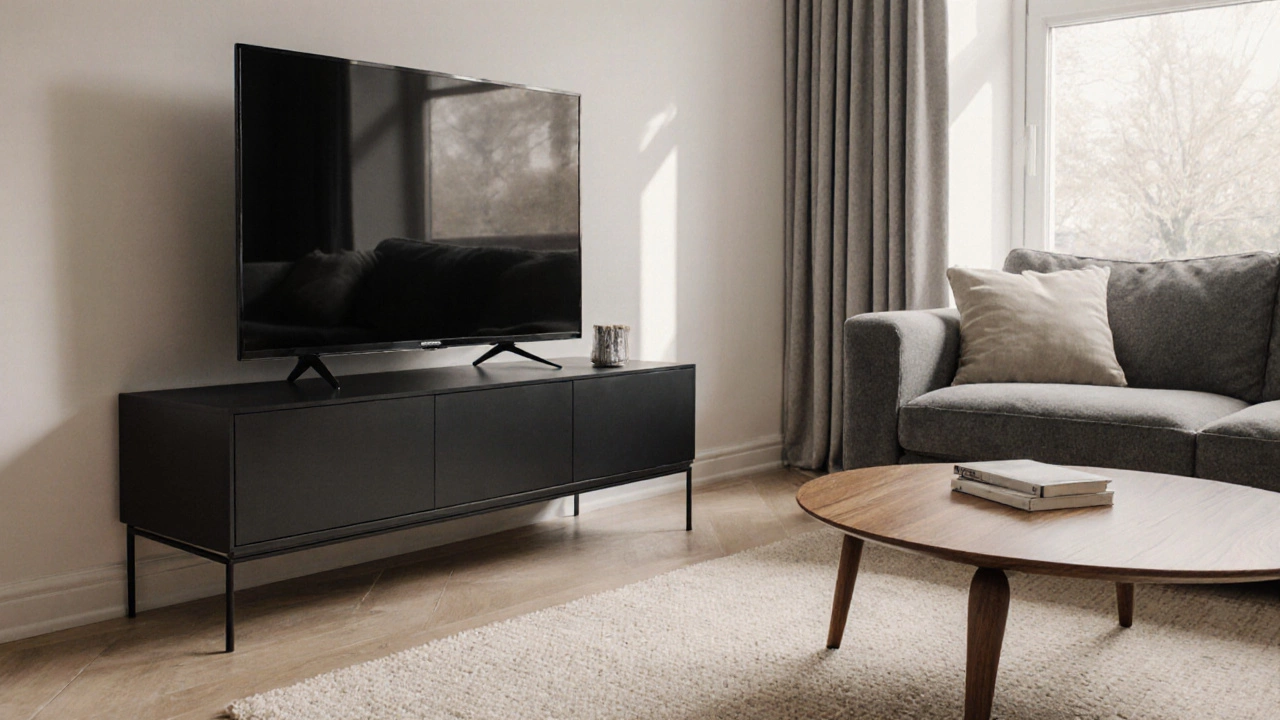
Should Your TV Stand Match the Coffee Table? Practical Design Tips
Explore whether your TV stand must match the coffee table, learn harmony tricks, material pairings, style combos, and a practical checklist for a cohesive living room.
Popular Posts



Categories
Tag Clouds