Lift Chair Cost Medicare: What You Really Pay and How to Get Covered
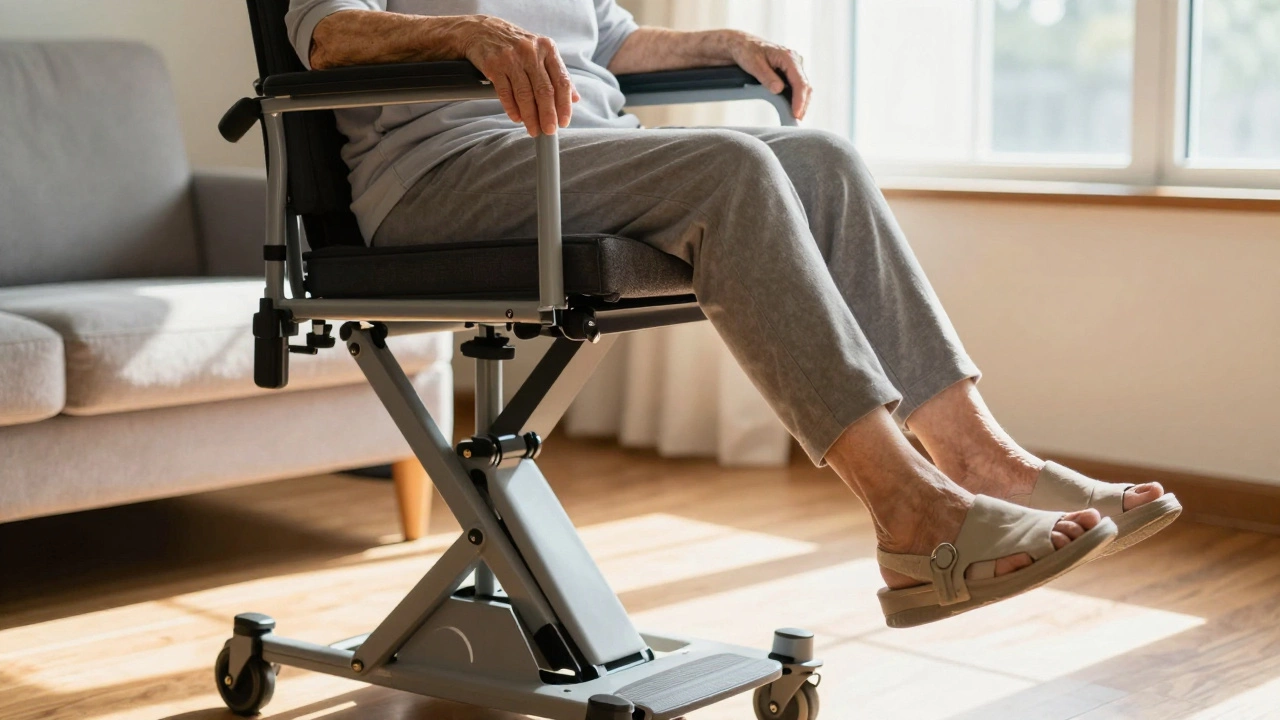
When you need help standing up from a chair, a lift chair, a recliner with a motorized mechanism that gently raises you to a standing position. Also known as power lift recliner, it’s not just a luxury—it’s a mobility aid for people with arthritis, joint pain, or muscle weakness. But here’s the real question: does Medicare, the U.S. federal health insurance program for people 65 and older, and some younger people with disabilities pay for it? And if so, how much do you actually end up paying out of pocket?
Medicare Part B may cover part of the cost—but only if the chair is classified as durable medical equipment (DME) and your doctor says it’s medically necessary. That means it has to be prescribed for a specific condition, like severe arthritis or neuromuscular disease, and you must buy it from a Medicare-approved supplier. The motorized lifting mechanism is what gets covered, not the reclining function, the fabric, or the extra features like heat and massage. So if you buy a $2,500 lift chair with all the bells and whistles, Medicare might only cover the $600 base lift mechanism. The rest? You pay it.
You’ll also need to meet your Part B deductible first, then pay 20% of the approved amount. That’s where supplemental insurance or Medicaid can help. Many people don’t realize that Medicare won’t cover lift chairs bought online or from big-box stores unless they’re enrolled in the Medicare DME program. And forget about getting reimbursed after the fact—you have to go through the right channels upfront. If you’re trying to save money, look for suppliers who accept assignment. That means they agree to take Medicare’s payment as full payment, so you won’t get surprise bills.
What about other types of chairs? A regular recliner won’t cut it—even if it helps you stand up. Medicare doesn’t cover comfort. It covers function. That’s why many people end up buying a lift chair anyway, then filing for partial reimbursement. It’s not ideal, but it’s common. And if you’re on a tight budget, some state programs, veterans’ benefits, or nonprofit groups offer grants or discounts for mobility aids like lift chairs.
Here’s the bottom line: lift chairs aren’t cheap, and Medicare doesn’t cover them fully. But with the right documentation, supplier, and understanding of the rules, you can get significant help. The key is knowing what’s covered, what’s not, and how to avoid the traps that leave people paying thousands more than they should. Below, you’ll find real advice from people who’ve been through it—how to choose the right model, what to ask your doctor, and how to cut costs without sacrificing safety.
-
Quentin Melbourn

- 1 December 2025
What Percentage Does Medicare Pay for a Lift Chair?
Medicare covers 80% of the lift mechanism in a lift chair, but not the chair itself. Learn what’s covered, how to qualify, and how to avoid paying for features you don’t need.
Popular Posts


Categories
Tag Clouds