How to Store a Sofa: Tips, Myths, and What Really Works
When you need to store a sofa, a large upholstered seating piece designed for multiple people, often used in living rooms. Also known as a couch, it's one of the most expensive and important pieces of furniture in your home. Storing it wrong can ruin the frame, stain the fabric, or invite pests. Many people think tossing it in a garage or basement is fine—until they pull it out months later and find mold, sagging cushions, or worse, bed bugs. The truth? How you store a sofa matters just as much as how you use it.
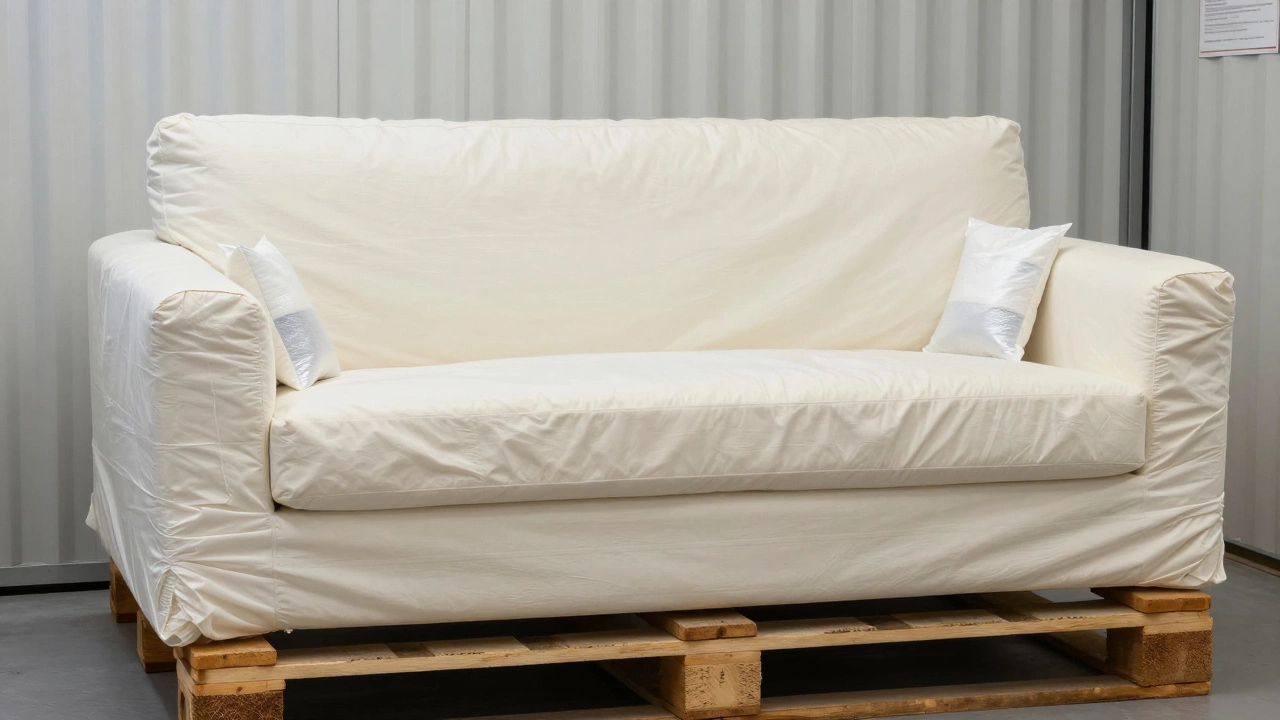
Storing a sofa isn’t just about space—it’s about climate control, the management of temperature and humidity in a storage environment to protect sensitive items. If the storage unit gets too damp, the fabric absorbs moisture, the wood swells, and the foam breaks down. Too hot? The glue melts, the leather cracks. Experts say the ideal storage temp is between 55°F and 75°F, with humidity below 50%. That’s why a climate-controlled unit beats a dusty shed every time. And don’t forget sofa covers, protective barriers made of breathable fabric or plastic, designed to shield furniture during storage or moving. A cheap plastic tarp traps moisture. A cotton slipcover lets air move. Use the right one.
Before you even move it, clean the sofa. Vacuum deep into the seams. Wipe down wood frames with a dry cloth. Treat stains with a mild cleaner—never soak the fabric. Let it dry completely. Then, raise it off the floor with wooden pallets or plastic stands. Concrete floors leak moisture. Metal shelves rust. Elevating it even 2 inches makes a difference. Wrap the legs with foam padding to avoid scratches. And if you’re storing it long-term, flip the cushions every few months. Foam loses its shape if it sits compressed too long.
Some people swear by mothballs or cedar blocks to keep pests away. But those don’t stop bed bugs. If you’ve ever had an infestation, you know they hide in seams and crevices. The best defense? Inspect the sofa before storage. Look for tiny black dots (feces), shed skins, or live bugs. If you find any, call a pro. Don’t store an infested sofa—it’ll spread. And never store a sofa next to cardboard boxes. Bed bugs love cardboard. Keep it away.
What about taking it apart? Most modern sofas can’t be fully disassembled, but some have removable legs or backs. Check the manual. If you can, remove parts to reduce bulk and make wrapping easier. Never tie straps around the arms or back—that crushes the frame. Use moving blankets, not just plastic. They breathe, they cushion, they last.
And here’s the big one: don’t store a sofa you don’t love anymore. If it’s worn out, damaged, or just not your style, sell it, donate it, or recycle it. Storing a sofa costs money. It takes up space. And if you’re holding onto it just because you might use it someday, that’s not storage—that’s clutter. Ask yourself: if I saw this sofa in a store today, would I buy it again? If the answer’s no, let it go.
When you finally bring it back into your home, give it time. Let it air out for a day or two. Vacuum again. Check the cushions. Test the springs. You’ll know right away if the storage worked—or if you made a mistake.
Below, you’ll find real advice from people who’ve been there: how to move a sofa without breaking it, what storage mistakes cost, and which methods actually keep your furniture looking new. No fluff. Just what works.
-
Quentin Melbourn

- 1 December 2025
How to Seal a Couch for Storage: Step-by-Step Protection Guide
Learn how to properly seal a couch for storage using breathable covers, silica gel, and climate control to prevent mold, dust, and damage. Step-by-step guide for long-term protection.
Popular Posts


Categories
Tag Clouds