Furniture Storage Cover: Protect Your Belongings with the Right Cover
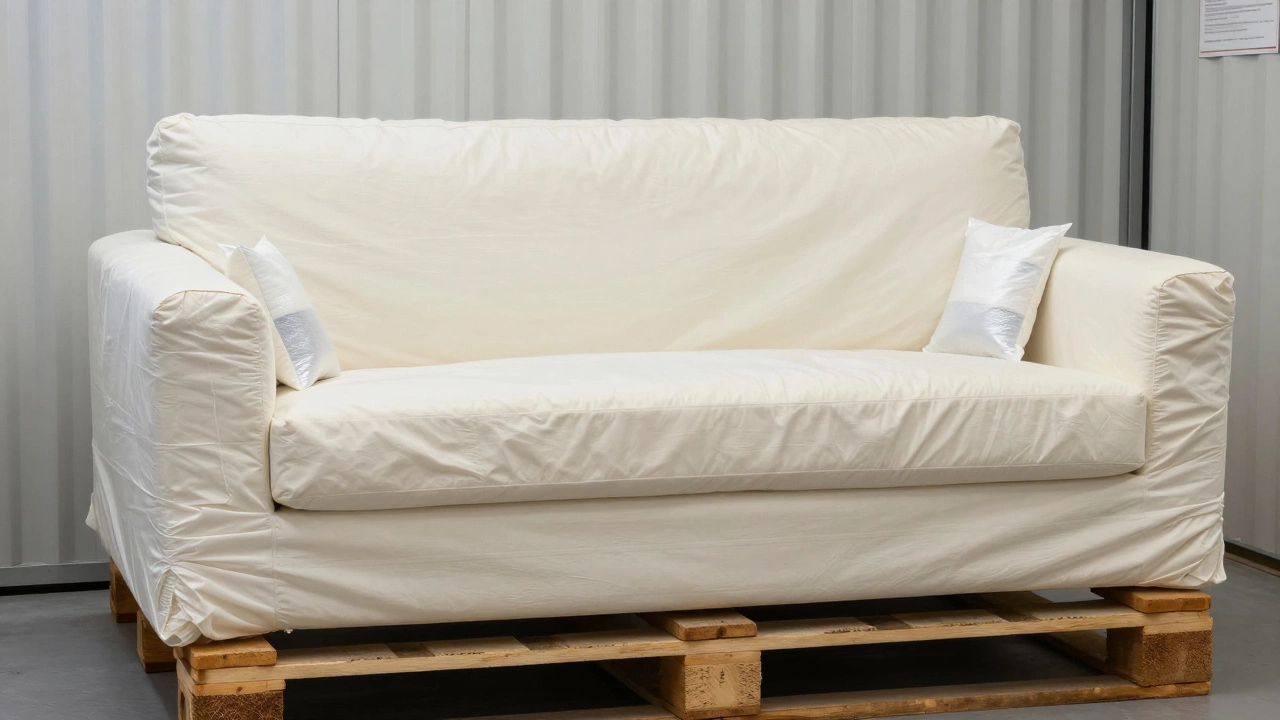
When you store furniture—whether it’s a sofa, dresser, or wardrobe—you’re not just putting it away, you’re betting on its survival. A furniture storage cover, a protective barrier designed to shield furniture during storage. Also known as furniture protective cover, it’s the first line of defense against dust, moisture, and pests like bed bugs. But not all covers are made equal. Some are just plastic sheets that trap humidity. Others are breathable fabrics that let air move while keeping moisture out. The difference? One might save your furniture. The other could ruin it.
Moisture is the silent killer of wood and fabric. If you store a dresser in a damp garage or a basement without the right cover, mold creeps in. You won’t see it at first. Then the smell hits. Or the wood warps. Or the fabric turns stiff and stained. That’s where a proper furniture storage cover, a protective barrier designed to shield furniture during storage. Also known as furniture protective cover, it’s the first line of defense against dust, moisture, and pests like bed bugs. comes in. It’s not just about covering it up. It’s about managing the environment around it. That’s why breathable cotton or non-woven polyester covers are better than cheap plastic. They let trapped moisture escape instead of locking it in. And if you’re storing in a unit with humidity problems? Pair the cover with a DampRid, a moisture-absorbing product used in enclosed spaces to control humidity. Also known as humidity absorber, it helps keep the air dry without needing electricity.—a simple trick that works better than most people realize.
Then there’s pests. Bed bugs can live for months without feeding. If your couch or mattress was near an infestation before storage, they can hide in seams and come out years later. A sealed, high-quality furniture storage cover, a protective barrier designed to shield furniture during storage. Also known as furniture protective cover, it’s the first line of defense against dust, moisture, and pests like bed bugs. with no gaps can stop them from getting in. But it won’t kill them. That’s why cleaning everything thoroughly before covering matters more than the cover itself. Vacuum, wipe, steam—don’t skip it. And if you’re storing in a unit that’s been used before? Ask if it’s been treated. Don’t assume it’s clean.
What about wardrobe doors? Or drawers? You can’t just throw a cover over a full wardrobe and call it done. The cover needs to fit snugly, not hang loose. Loose fabric collects dust, traps condensation, and gets torn. The best covers come with drawstrings or elastic hems. Some even have zippered openings for access without removing the whole thing. And if you’re storing a recliner? Make sure the cover doesn’t press into the mechanism. That can bend springs or crack plastic parts over time.
You’ll find posts here that dig into the real details: what materials actually work, how long bed bugs survive on stored furniture, whether DampRid is enough for a whole storage unit, and how to pick a cover that doesn’t look like a cheap tarp. These aren’t theory pieces. They’re based on what people have tried—and what failed. You’ll learn what to buy, what to avoid, and how to set up storage so your furniture comes out looking like it never left your home.
-
Quentin Melbourn

- 1 December 2025
How to Seal a Couch for Storage: Step-by-Step Protection Guide
Learn how to properly seal a couch for storage using breathable covers, silica gel, and climate control to prevent mold, dust, and damage. Step-by-step guide for long-term protection.
Popular Posts


Categories
Tag Clouds