Furniture Coordination: Master the Art of Matching Your Pieces
When working with furniture coordination, the practice of arranging and pairing different furniture items so they complement each other in style, scale, and function. Also known as furnishing harmony, it helps create rooms that feel balanced and thoughtful. Furniture coordination is essential whether you’re revamping a living room or setting up a patio.
One of the first decisions you’ll face is choosing a coffee table, a low‑profile surface that ties together seating and décor. The right coffee table sets the visual anchor for a sofa, defines the room’s height relationship, and adds material contrast. Pair it with a sofa, the central seating piece that dictates comfort levels and spatial flow. A well‑proportioned sofa and coffee table duo can make a cramped space feel airy, or a large room feel cozy, depending on scale and style.
Beyond indoor pieces, outdoor furniture, durable tables, chairs and lounges built for weather exposure follows the same coordination rules. When you align patio chairs, a weather‑proof coffee table, and a shade structure, you create a seamless transition from indoor to outdoor living. This alignment influences traffic flow, visual weight, and even how you use the space throughout the year.
Another pillar of successful coordination is storage solutions, custom wardrobes, shelves or climate‑controlled units that keep belongings organized while complementing the room’s aesthetic. Smart storage hides clutter, balances visual density, and can act as a design statement—think a sleek wardrobe that mirrors the finish of a coffee table or a built‑in shelf that echoes the back of a sofa.
Key Elements to Consider
Furniture coordination encompasses three core ideas: scale, style, and function. Scale means measuring the height, width and depth of each piece so they relate proportionally—your coffee table shouldn’t dwarf a low‑profile sofa, nor should a massive outdoor lounge overwhelm a modest patio. Style ties material, color and shape together; a wooden coffee table pairs naturally with a linen sofa, while metal frames suit modern outdoor sets. Function ensures every item serves its purpose without crowding the room—think clearance for foot traffic, easy access to storage, and adaptability for daily use.
Practically, start by mapping the room’s dimensions, then place the largest piece (often the sofa or outdoor lounge) as the anchor. Add secondary items—coffee tables, side tables, storage units—while maintaining at least 45 cm of walking space around each. Check visual continuity: match wood tones, repeat metal accents, or use a unifying color palette. Finally, test the setup with real movement; the best coordination feels natural, not forced.
Below you’ll find a curated collection of articles that explore each of these aspects in depth. From picking the perfect coffee table height for a reclining sofa to protecting patio furniture from the elements, the guides walk you through real‑world decisions and common pitfalls. Dive in to see how coordinated pieces can transform any space into a cohesive, comfortable haven.
-
Quentin Melbourn

- 14 October 2025
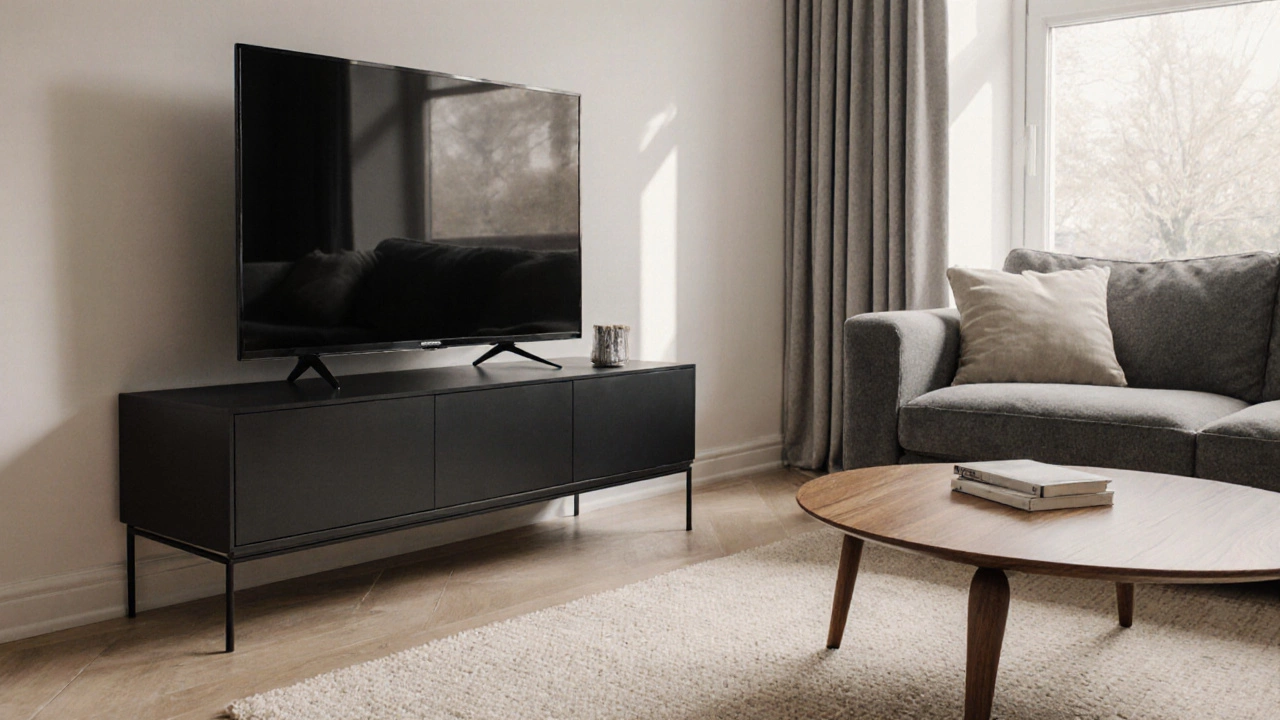
Should Your TV Stand Match the Coffee Table? Practical Design Tips
Explore whether your TV stand must match the coffee table, learn harmony tricks, material pairings, style combos, and a practical checklist for a cohesive living room.
Popular Posts


Categories
Tag Clouds